 Ningyuan Fastener
Ningyuan Fastener
Ningyuan Fastener
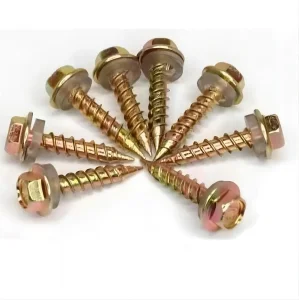
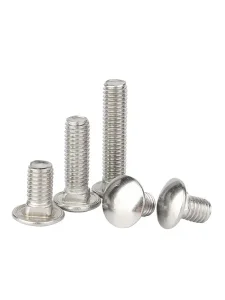
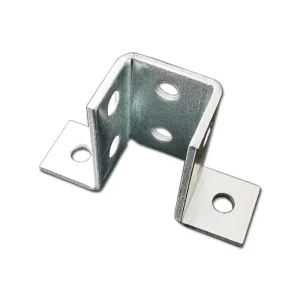
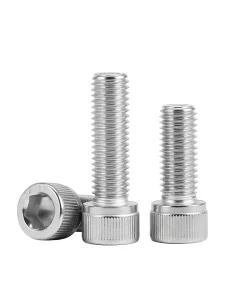
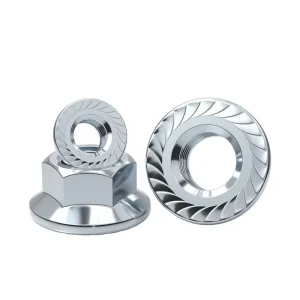
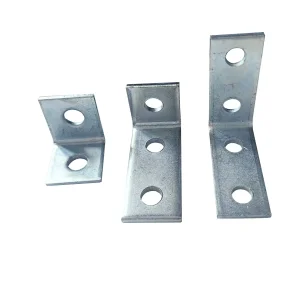
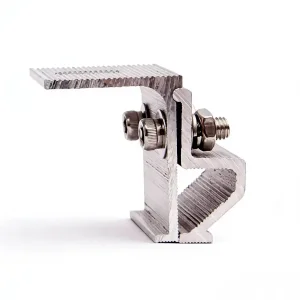
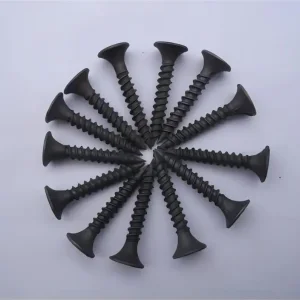
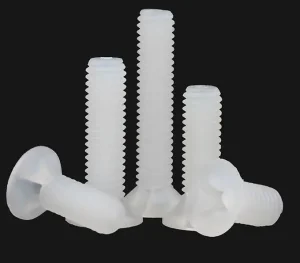
Industrial adjustment screws represent the critical, precision interface in structural alignments, calibration systems, and heavy-duty mechanical dampening assemblies. Once regarded as simple threaded elements, the modern adjustment screw has undergone a radical transformation. Driven by the strict tolerance limits of automated manufacturing systems, high-accuracy alignment mechanisms, and structural load calculations, the engineering behind adjustment screws demands a comprehensive understanding of metallurgy, mechanical wear, and precision machining.
"An adjustment screw is not merely a locking fastener; it is an active mechanical regulator designed to withstand localized shear stresses, cyclic thermal expansion, and precision micro-movements."
Over the past two decades, global manufacturing environments have shifted from manual micro-adjustments to high-frequency automated positioning. In sectors like optical tracking, semiconductor production lines, solar photovoltaic arrays, and high-speed rail assemblies, even a sub-millimeter displacement can result in critical failure. Thus, manufacturers have optimized screw geometry, implementing custom thread pitches (such as ultra-fine threads with pitch sizes down to 0.25mm) and custom head shapes to accommodate high-torque drive interfaces.
The durability of adjustment mechanisms is intrinsically tied to material characteristics. Fasteners are no longer designed in isolation but in pairs. The mating material (such as female threads within aluminum castings or alloy framing) must be analyzed side-by-side with the screw's base metal.
When specifying adjustment screws, design engineers evaluate mechanical criteria like yield strength, tensile limits, shear resistance, and anti-galling behavior. Galling—a destructive wear mechanism characterized by friction-induced cold welding—is highly prevalent in stainless steel-on-stainless steel threading interfaces. To counteract this, modern factories apply specialized surface coatings. Zinc-nickel plating, hot-dip galvanization (HDG), dry-film lubricants, and PTFE-based coatings are used to control the coefficient of friction and improve corrosion resistance under extreme environments.
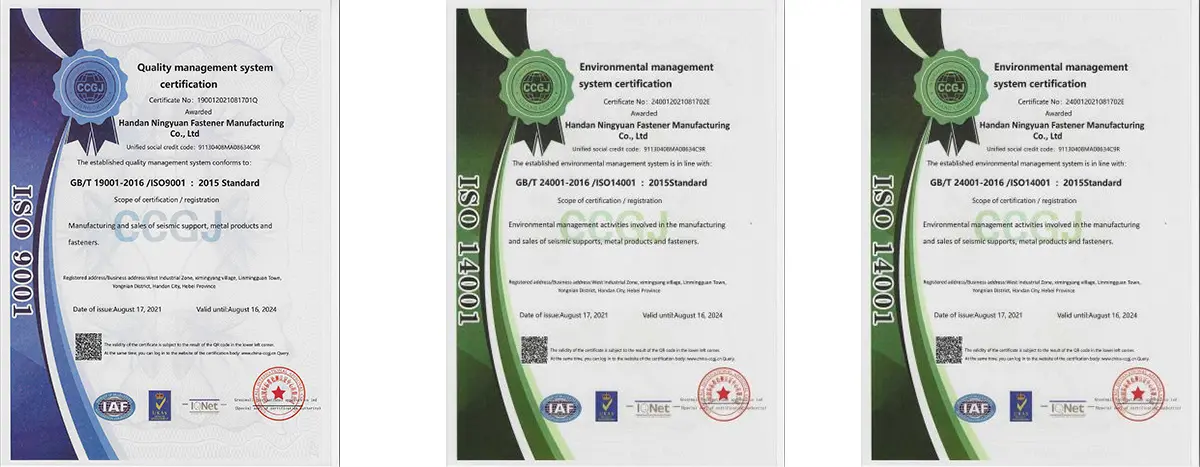
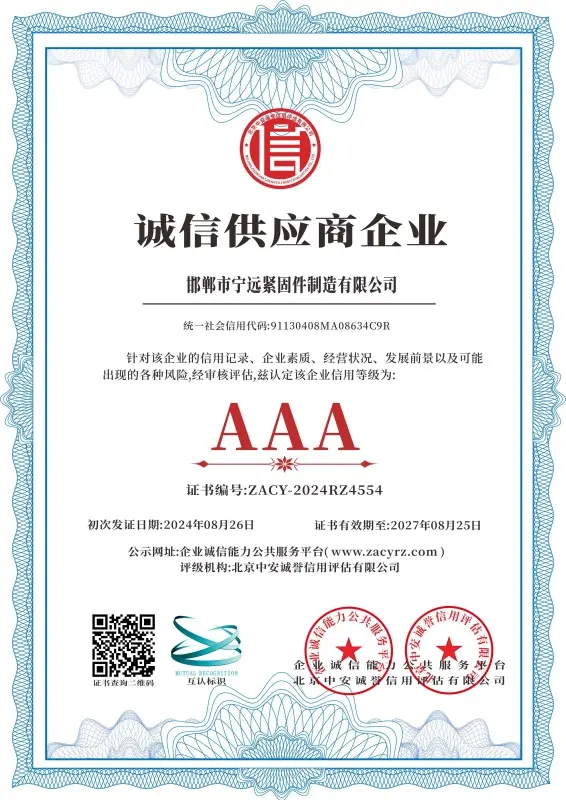
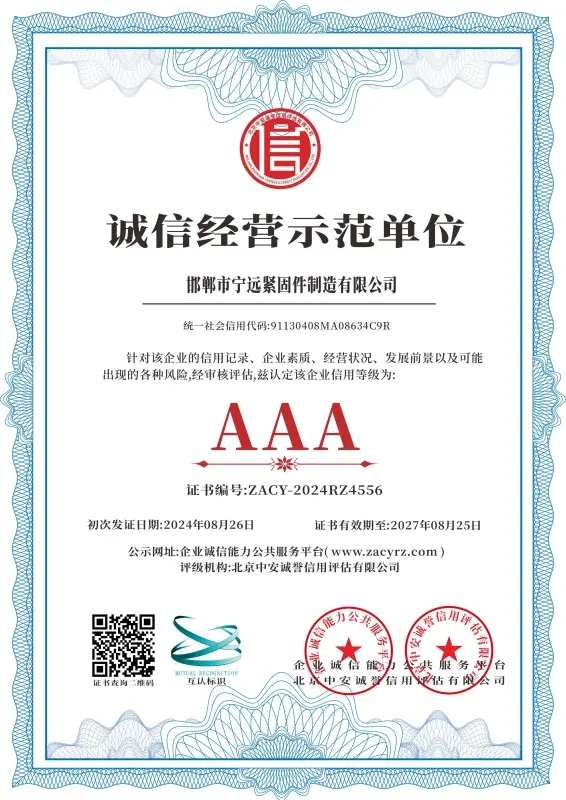
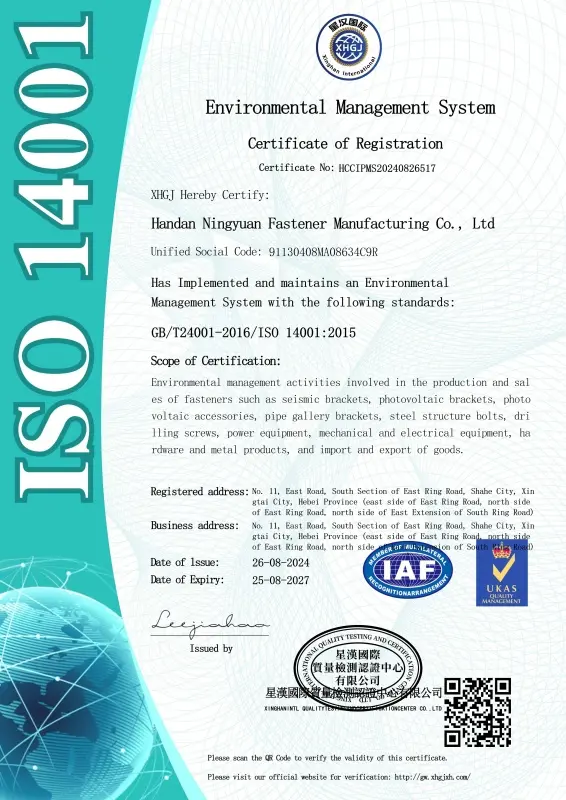
Our manufacturing facilities and testing protocols meet key global directives to serve critical infrastructure projects:
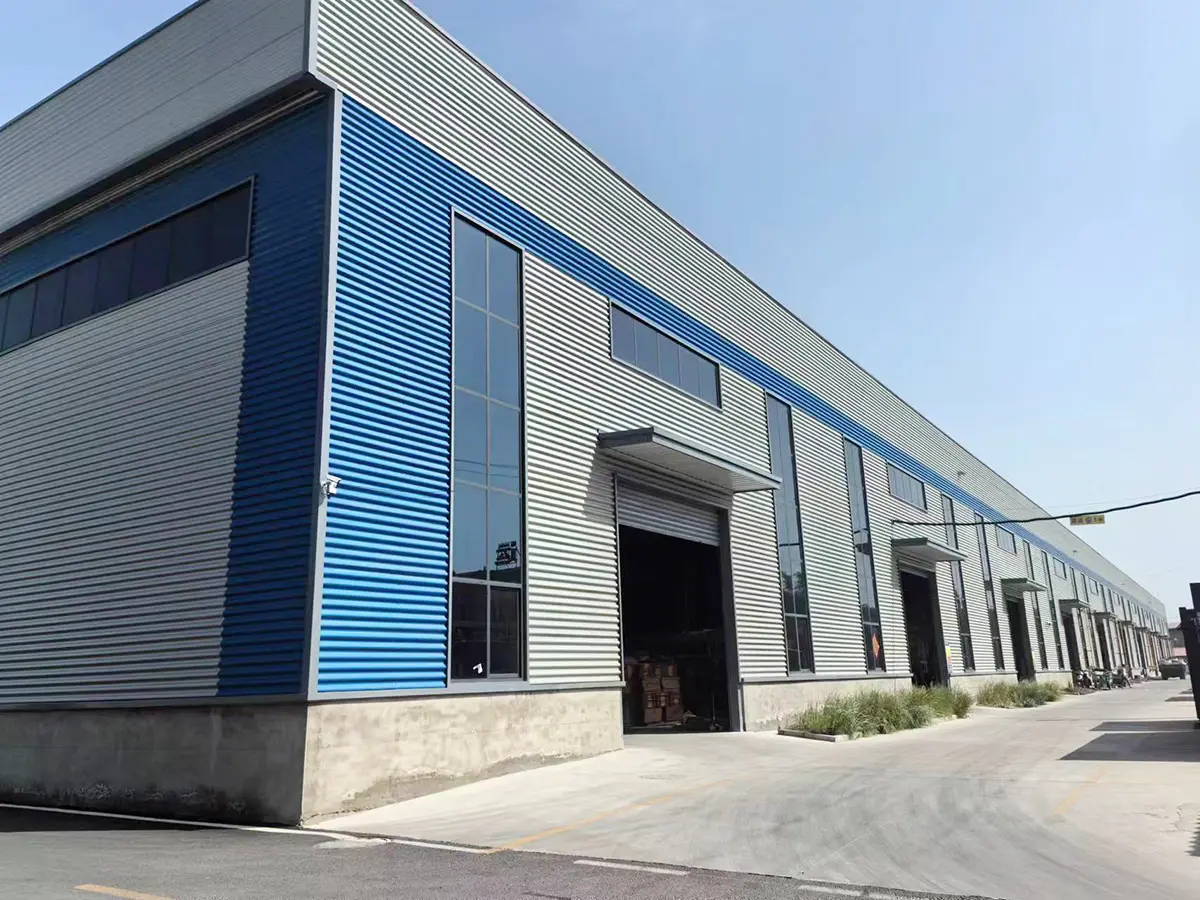
Founded in 2005 (formerly known as Jin Langtao), Handan Ningyuan Fastener Manufacturing Co., Ltd. is situated in Handan Yongnian, widely acknowledged as the fastener capital of China. From its inception, the company has operated under a single developmental ethos: that consistent, rigorous hard work combined with technological innovation is the sole path to quality leadership.
Over the past 18+ years of growth, we have transitioned from standard fastener manufacturing into a modernized industrial corporation. Today, our engineering expertise spans high-end heavy-duty fasteners, photovoltaic new energy mounting systems, building electromechanical seismic systems, integrated pipe gallery supports, structural steel building bolts, drill tail screws, and premium drywall nails. We operate a fully integrated facility covering R&D, advanced material analysis, automated cold heading, precise heat treatment, and chemical-mechanical testing.
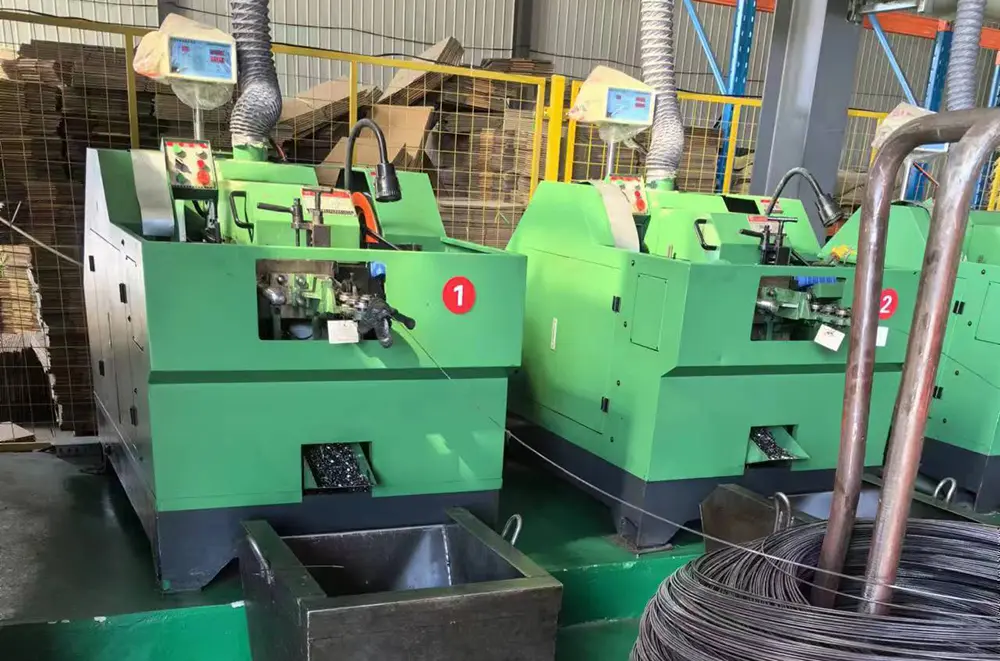
Our production floor operates multi-station cold formers that forge intricate screw shapes directly from high-grade wire rods, maximizing grain structure continuity and shear resistance.
Incorporating automated laser-based thread inspection machines directly on the manufacturing line to identify pitch variation and lead angles deviations, keeping structural errors at zero.
Located in Yongnian's massive industrial ecosystem, we draw on raw steel materials, tooling, and secondary plating services within minutes, yielding massive pricing and logistics advantages.
The concept of supply chain resilience has moved from a board-room buzzword to a fundamental metric of procurement risk management. As an ISO 9001:2015 certified manufacturer, Ningyuan implements a digitally monitored raw material trace system. Every batch of carbon steel or stainless steel coil is analyzed before entry into the cold-heading line.
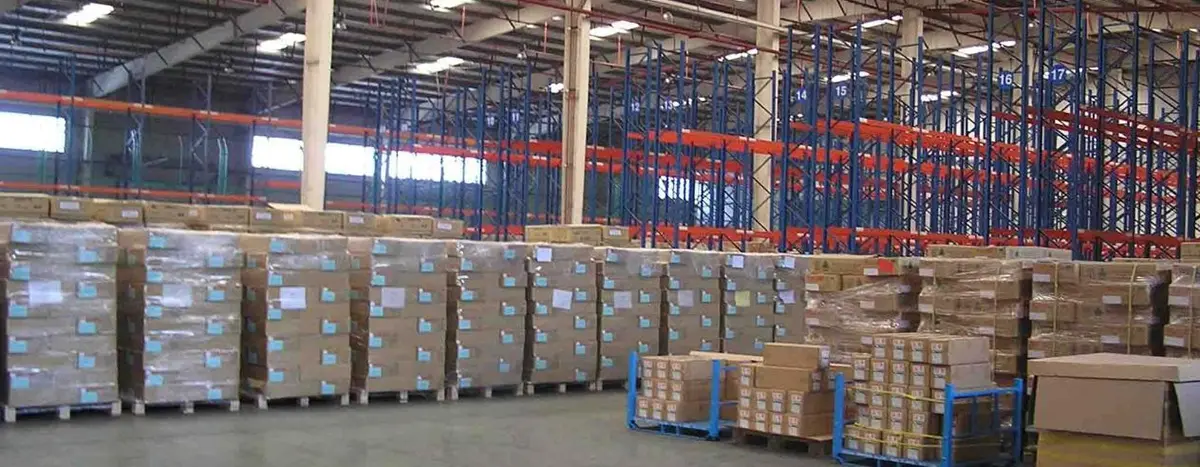
Through ERP integrations, our planning department coordinates production runs with raw material pricing indices. This ensures that global procurement managers secure stable pricing structures even during periods of bulk metal commodity volatility. Our automated warehousing ensures that inventory of structural components, photovoltaic mounting accessories, and custom threaded rods can ship within rapid schedules, satisfying just-in-time (JIT) manufacturing protocols.
Adjustment screws are foundational to complex assemblies across diverse industrial sectors. In large-scale PV solar fields, adjustment bolts allow tracking mechanisms to pivot and maintain optimal tilt angles relative to the sun. Under high-speed desert wind loads, these fasteners handle continuous dynamic loads, demanding extreme fatigue resistance.
In mechanical building systems and seismic hangers, adjustment screws provide critical leveling tolerances to compensate for uneven concrete slabs or misaligned steel beams. By utilizing specialized thread designs, our screws prevent self-loosening under continuous vibrations, protecting building structural joints during low-frequency seismic movements.
Ningyuan heavy industrial fasteners deployed on-site in large-scale structural installations.
Take an inside look at Handan Ningyuan Fastener's cold heading floor, thread-rolling arrays, and high-precision quality control laboratories, serving clients in over 30 countries.
Operating direct from our 20,000 square meter factory in Handan, we maintain full quality ownership. We run specialized raw material drawing lines, automated high-speed headers, and chemical coating baths. This structural integration cuts manufacturing lead times and reduces production errors down to nominal limits.
At Handan Ningyuan Fastener Manufacturing, quality control is not a post-production checklist—it is integrated into every phase of our operations. In our dedicated quality testing laboratory, we verify critical performance parameters for every production lot.
Before shipping, our products undergo extensive mechanical and chemical verification, including:
Verifying that fasteners can handle heavy tensile loads without structural yielding or catastrophic failures.
Evaluating hot-dip galvanized and zinc coatings under accelerated corrosive conditions to ensure over 1,000 hours of performance.
Confirming precise heat treatment parameters to achieve the optimal balance between hardness and material ductility.
Inspecting thread profiles, pitch leads, and flank angles to ensure compliance with strict ISO and DIN standards.
Our engineering team is ready to assist with thread design, load requirements, or material selection. Contact Handan Ningyuan Fastener Manufacturing today for professional support and product samples.
Please submit your product specifications, estimated order volume, and material requirements below. Our technical sales team will respond with a formal quotation within 24 hours.