Home >
Self Drilling Screws >
High-Quality Hexagonal head self tapping screws Manufacturer, Exporter
1 / 3
High-Quality Hexagonal head self tapping screws Manufacturer, Exporter
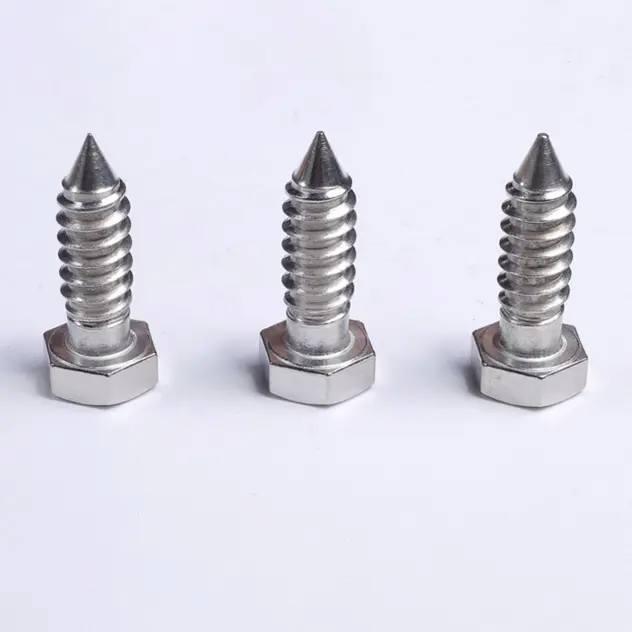
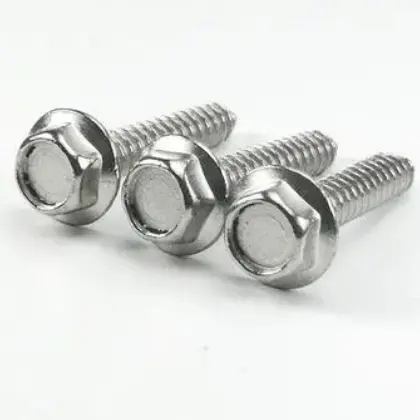
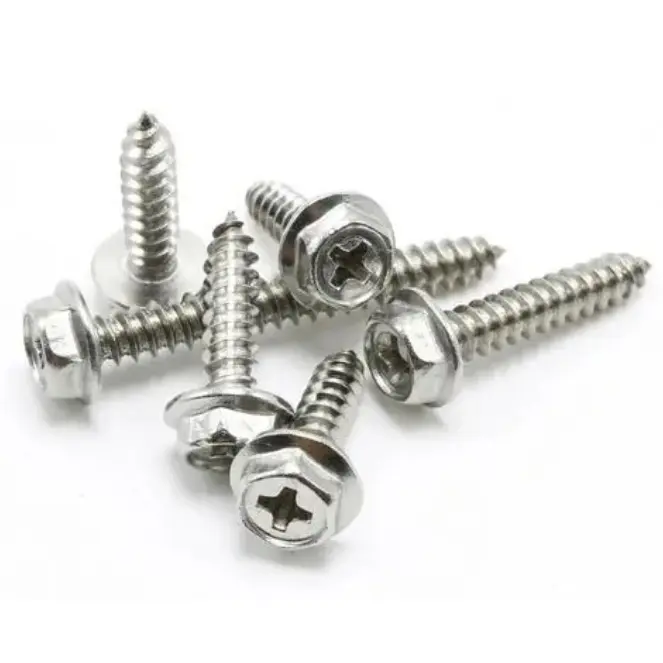
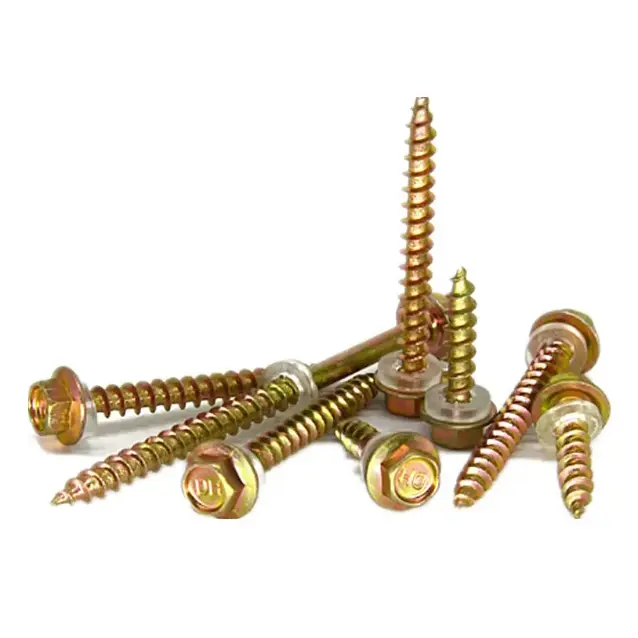
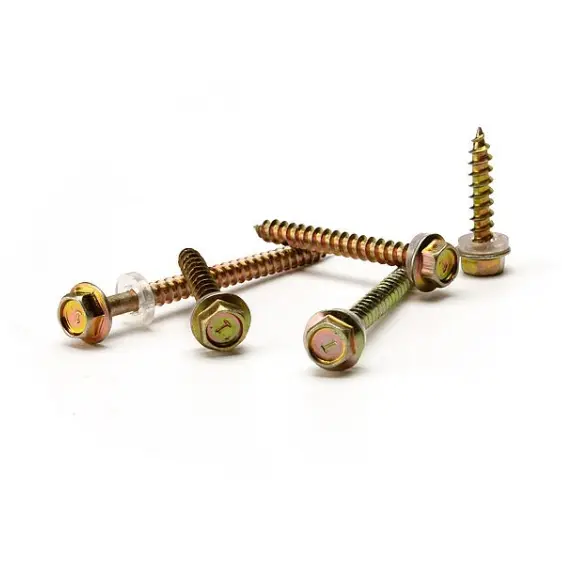
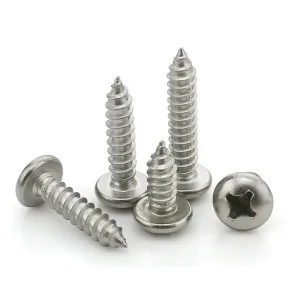
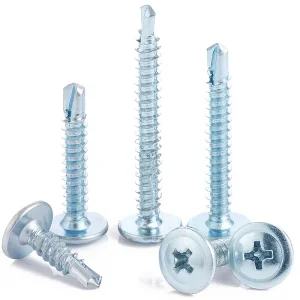
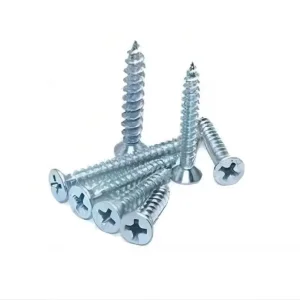
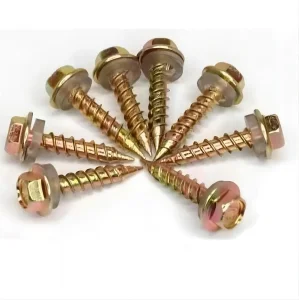
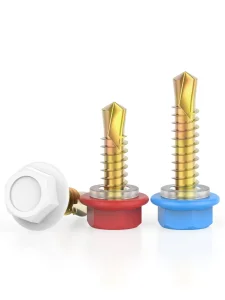
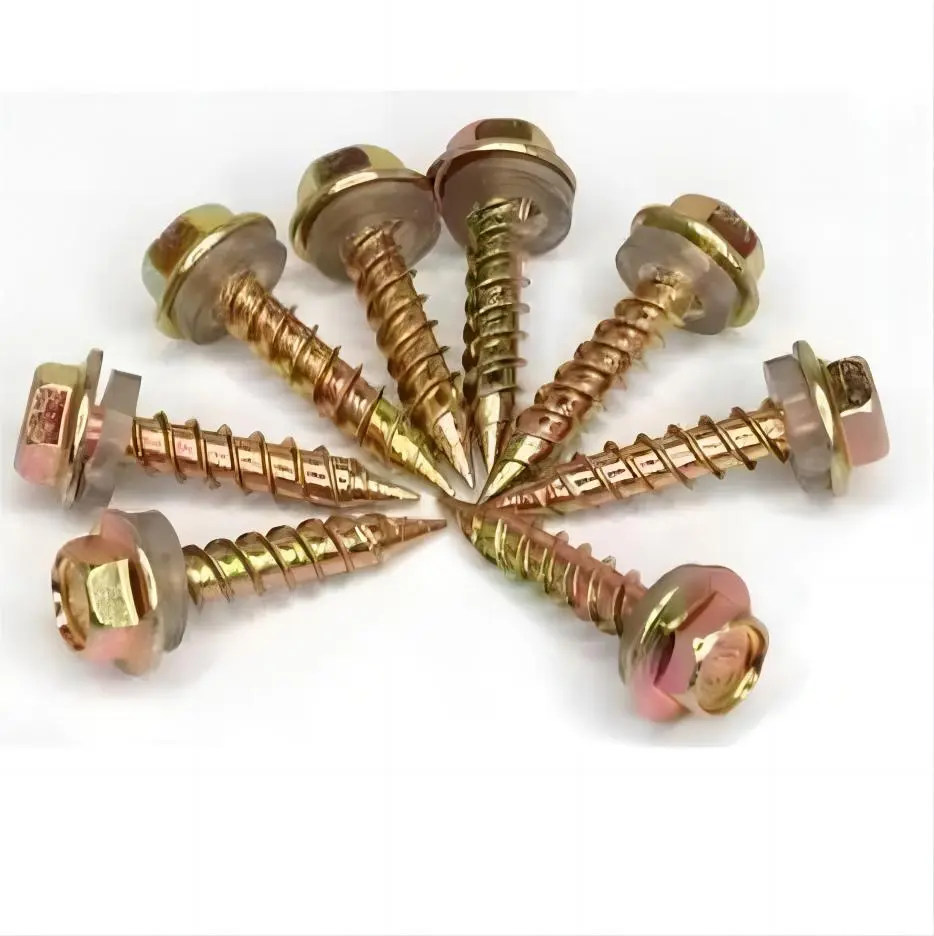
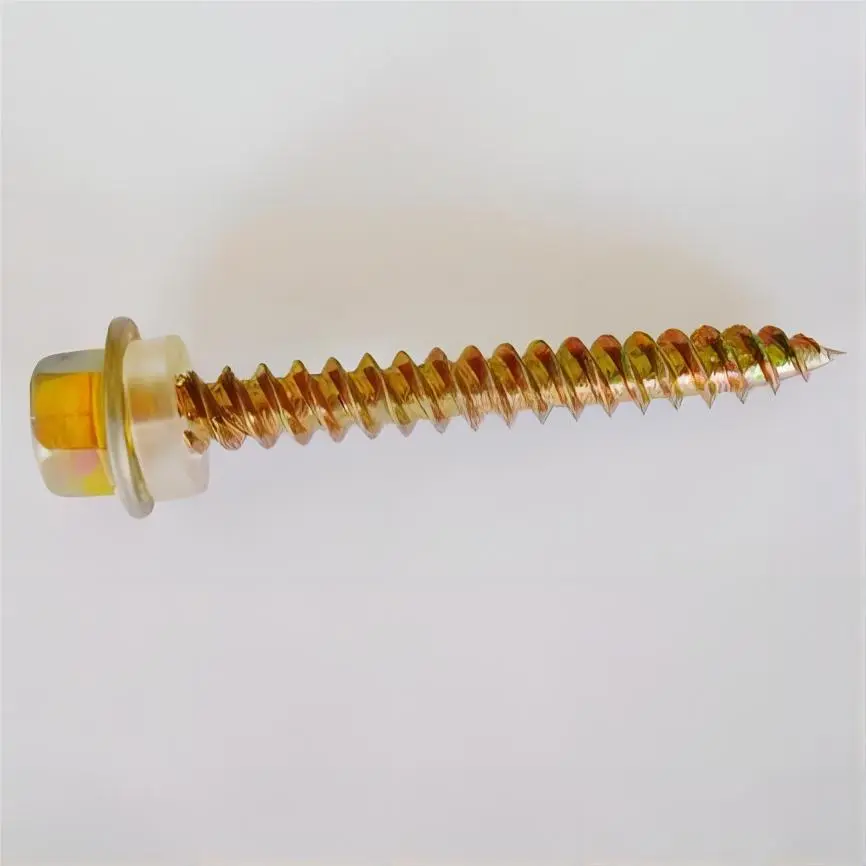
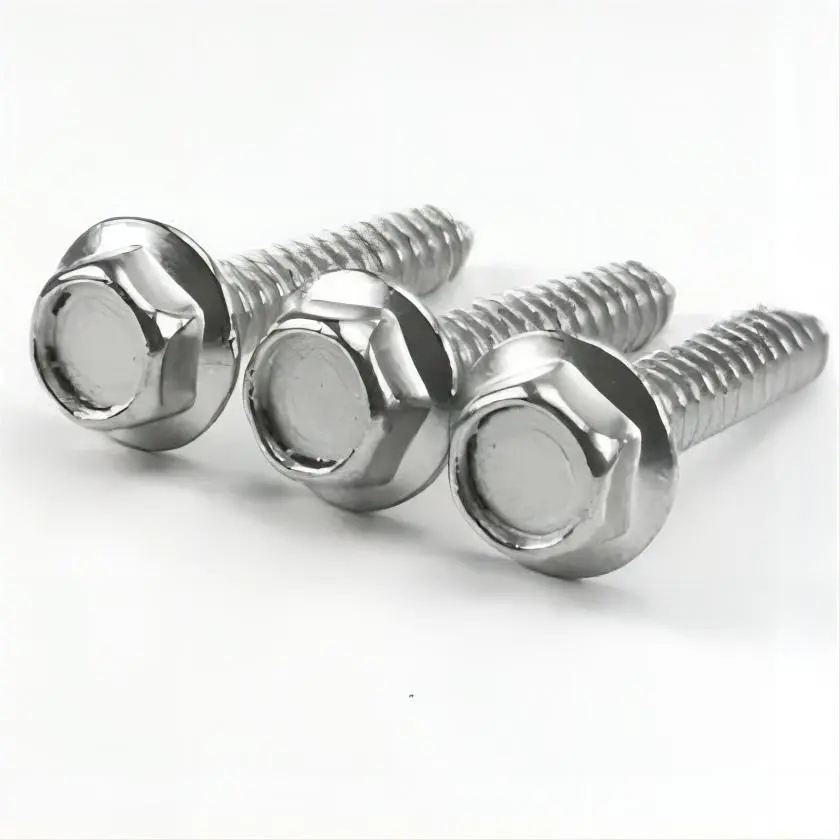
Hexagonal head self tapping screws are a type of mechanical component. Self tapping screws are commonly used for connecting thin metal plates (such as steel plates, saw boards, etc.).
Hexagonal head screws refer to hexagonal mechanical plastic screws - all teeth (metric and British) with excellent insulation performance, non-magnetic, thermal insulation, lightweight. Some plastic screws made of certain materials also have high temperature resistance, high strength, and corrosion resistance, and are widely used in various industrial fields.
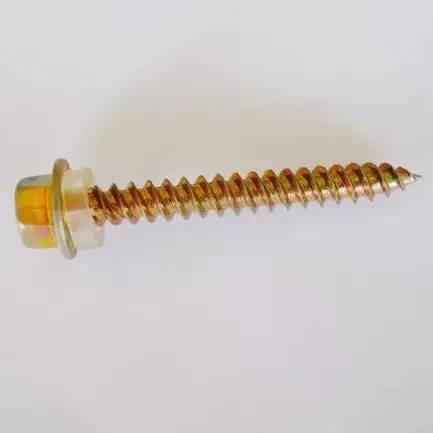
The material of hexagonal self tapping screws is generally carbon steel, stainless steel, copper, etc. Surface treatment generally includes methods such as galvanizing, phosphating, oxidation, and painting to extend service life and improve corrosion resistance.
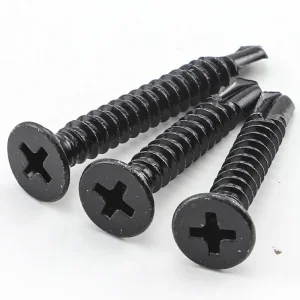
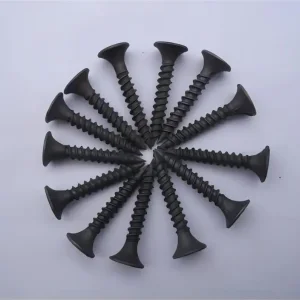
Used for the connection between gypsum board and metal keel with a thickness not exceeding 2.3mm, available in black phosphating and yellow zinc coating options. The scope of application and purchase price of both are basically the same. And yellow zinc has a slightly better rust prevention effect, and the product's natural color is light, which is not easy to fade after coating decoration.
The common specifications for hexagonal self tapping screws include M2, M2.5, M3, M3.5, M4, M5, M6, etc. Where M represents the nominal diameter, and the number represents the number of threads per inch. Common sizes include 12mm, 16mm, 20mm, 25mm, 30mm, etc.
Installation Guidelines
1Before installation, ensure that the size of the screw opening matches the size of the hole;
2To drill a hole first, the diameter of the hole is slightly smaller than the diameter of the screw;
3When using self tapping screws, it is important to control the force and avoid excessive force to prevent the workpiece from cracking;
4Pay attention to the length of self tapping screws, and the depth should not be too shallow, otherwise it is easy to loosen and fall off;
Frequently Asked Questions (FAQ)
Q: What materials are hexagonal self tapping screws typically made of?
A: They are generally manufactured from high-quality materials such as carbon steel, stainless steel, and copper to ensure durability and strength.
Q: What surface treatments are available for these screws, and why are they applied?
A: Common surface treatments include galvanizing, phosphating, oxidation, and painting. These processes are applied to extend the service life of the screws and significantly improve their corrosion resistance.
Q: What is the main application of hexagonal self tapping screws?
A: They are primarily used for securing connections between gypsum boards and metal keels with a maximum thickness of 2.3mm.
Q: How do the yellow zinc coating and black phosphating options compare?
A: Both options share a similar scope of application and cost. However, yellow zinc provides slightly superior rust prevention, and its light natural color makes it less prone to fading after coating decoration.
Q: What does the specification notation (e.g., M2, M3) signify?
A: In specifications like M2 or M3, the letter 'M' represents the nominal diameter of the screw, while the associated numbers represent the thread measurement parameters. Common sizes range from 12mm to 30mm.
Q: What are the key installation steps for these self tapping screws?
A: First, ensure the screw fits the pre-drilled hole, which should be slightly smaller than the screw's diameter. During installation, avoid excessive force to prevent cracking the workpiece, and ensure the screw is set to a sufficient depth to avoid loosening.
 Ningyuan Fastener