1 / 2
 Ningyuan Fastener
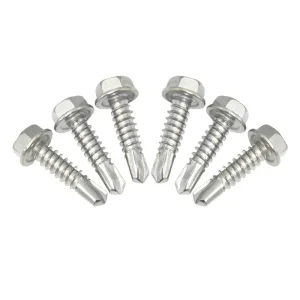
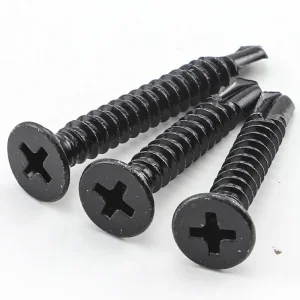
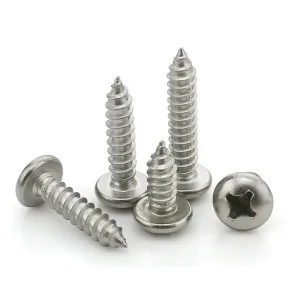
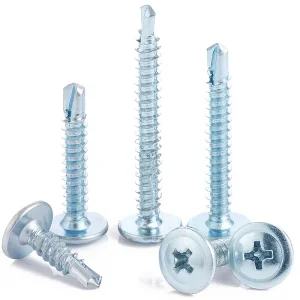
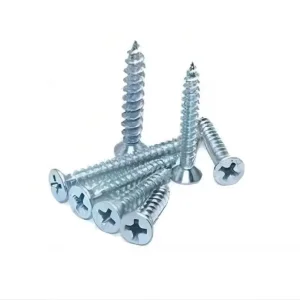
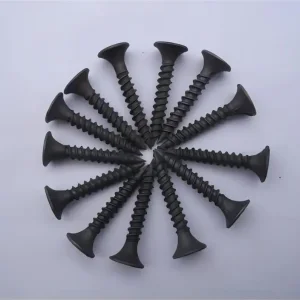
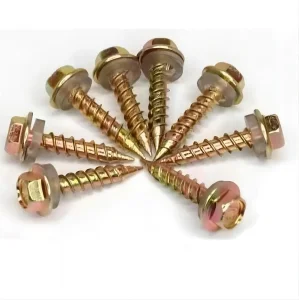
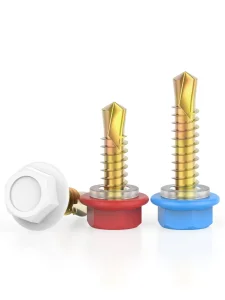
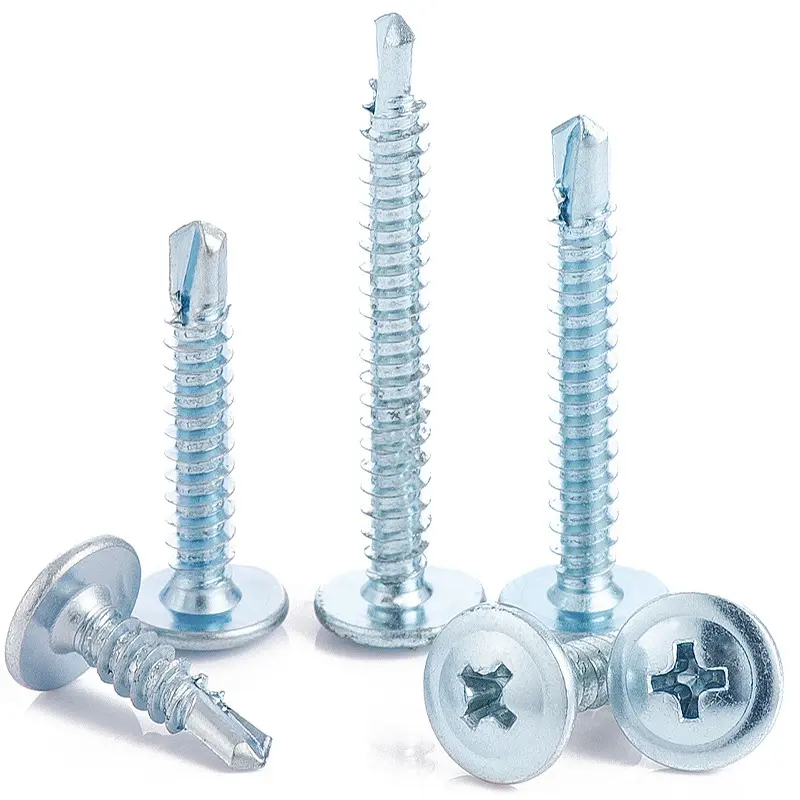
Truss screws are screws with specific shapes and functions, typically used to connect various components of a truss structure. They are widely used in mechanical engineering, construction engineering, aerospace and other fields. Their shape and size usually make them more suitable for truss connections.
Truss screws are usually made of high-strength alloy steel, stainless steel, titanium alloy and other materials to ensure that they can withstand high loads and will not have corrosion or other problems during long-term use.
Truss screws are indispensable connectors in truss structure design. They have the following functions:
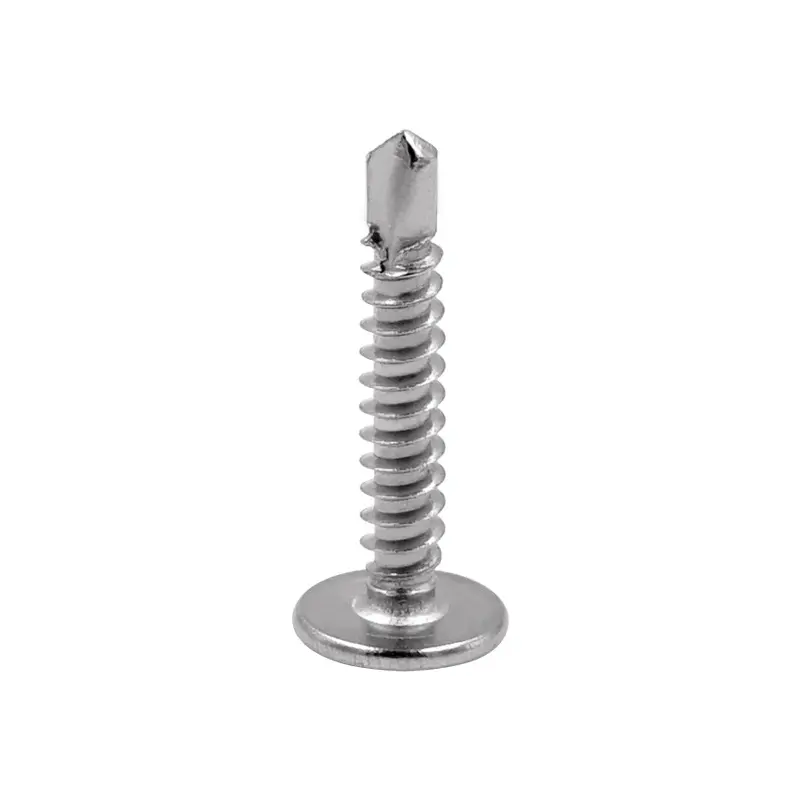
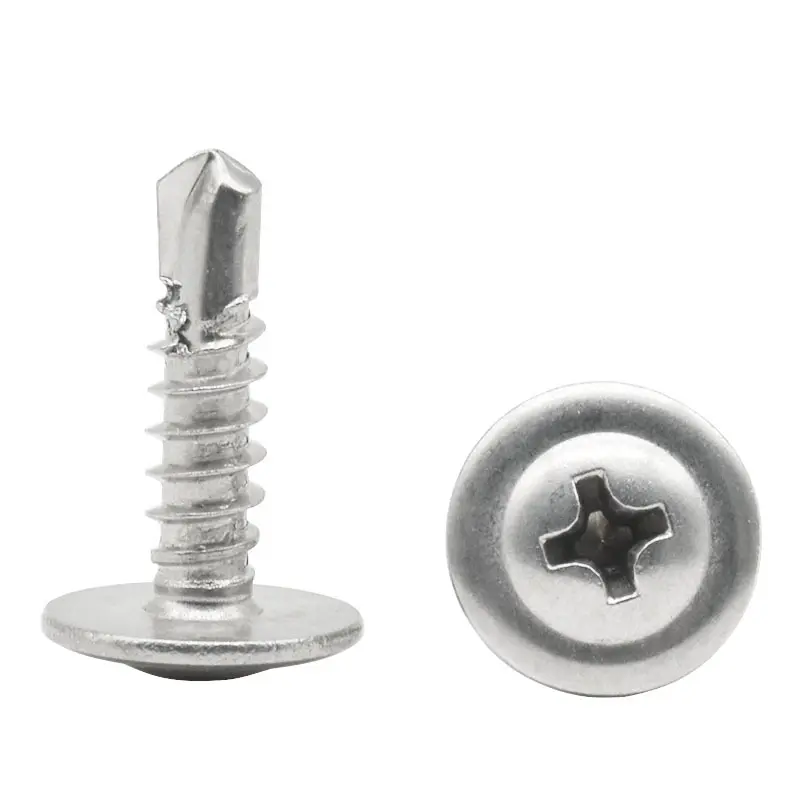
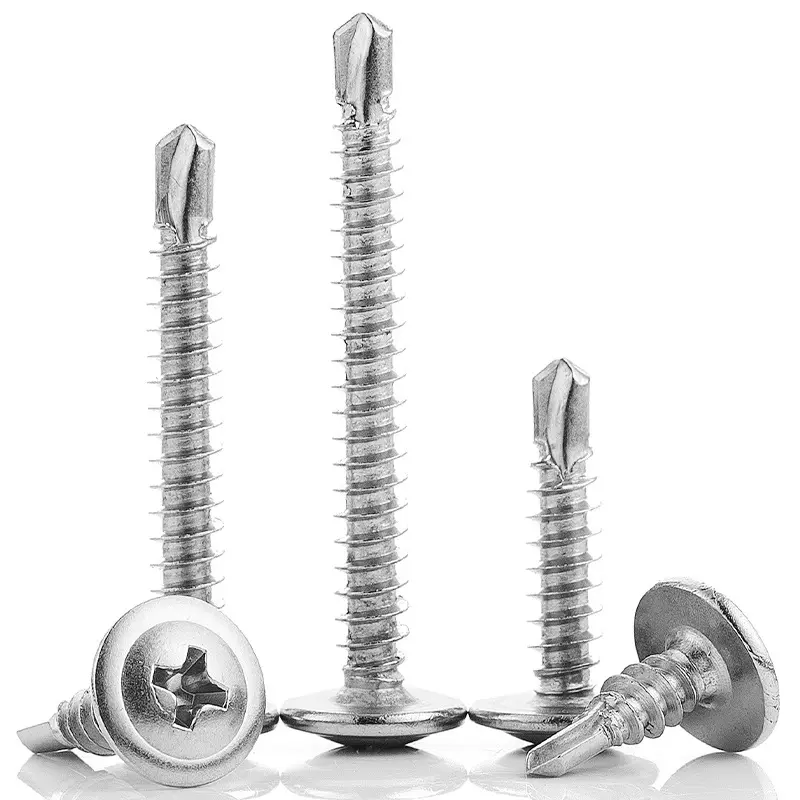
The key factors in selecting suitable truss screws are load, stress, and environment. The greater the clamping force, the larger the screw size needs to be selected to meet the requirements under high load conditions. In marine, corrosive, and other harsh environments, it is necessary to choose high-strength materials such as stainless steel or titanium alloys that meet the requirements.
Truss screws are one of the main components connecting truss structures, commonly used in building platforms, stages, exhibition stands, and other occasions. Its specifications include thread diameter, length, pitch, material, and other aspects.
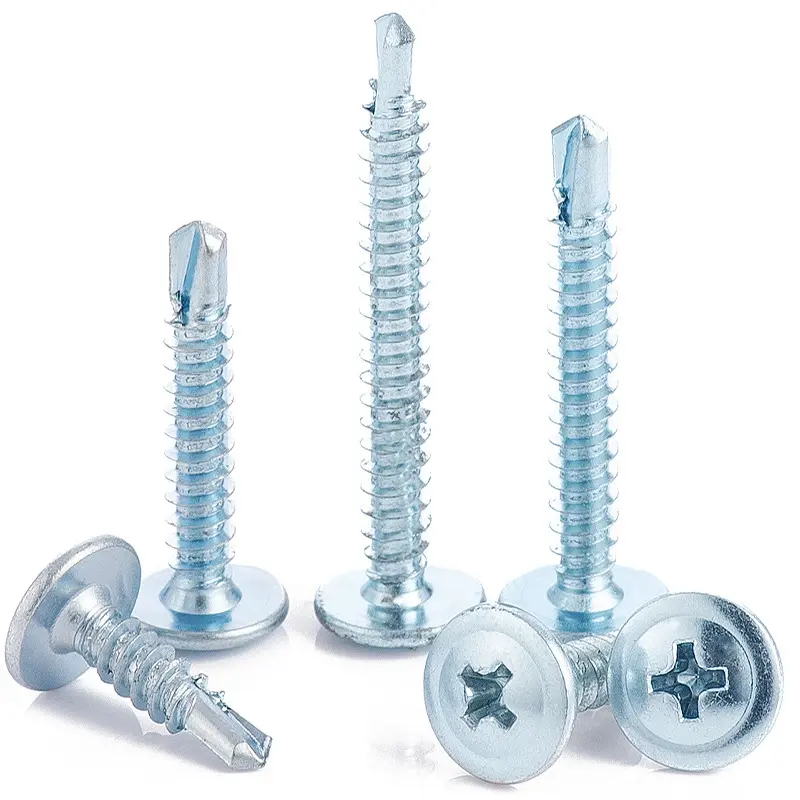
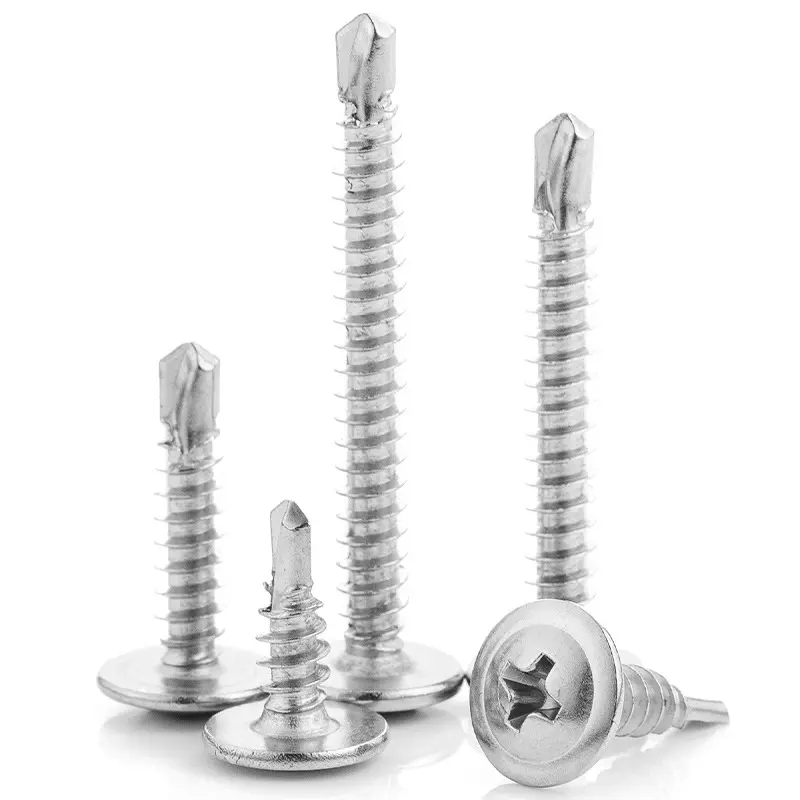
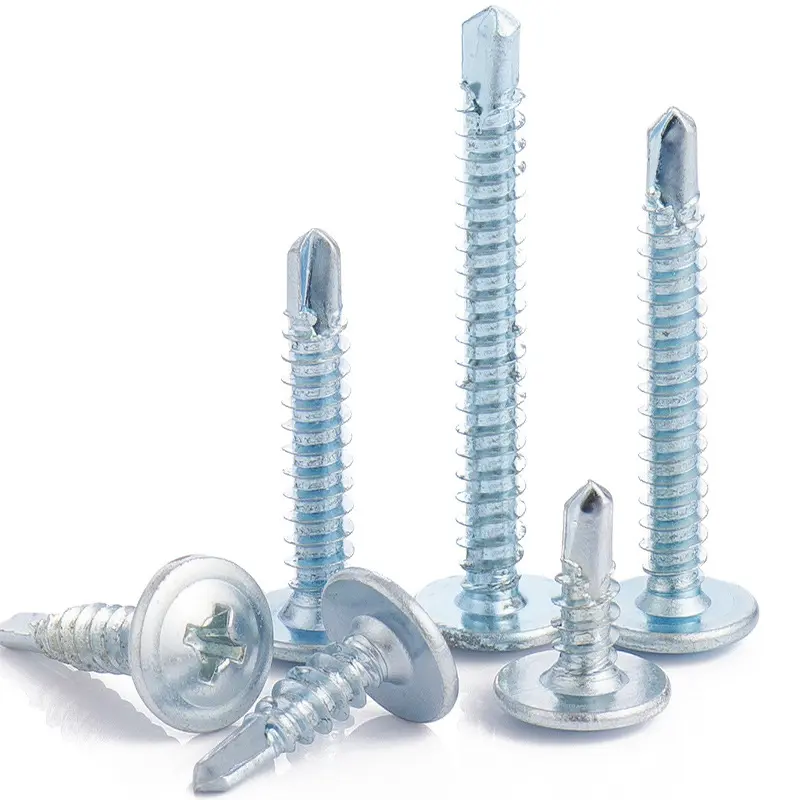
The thread diameter of truss screws can be divided into ordinary and fine thread types, generally M8, M10, M12, etc. The fine thread type is slightly adjusted on the basis of the ordinary type to enhance the stability of the connection.
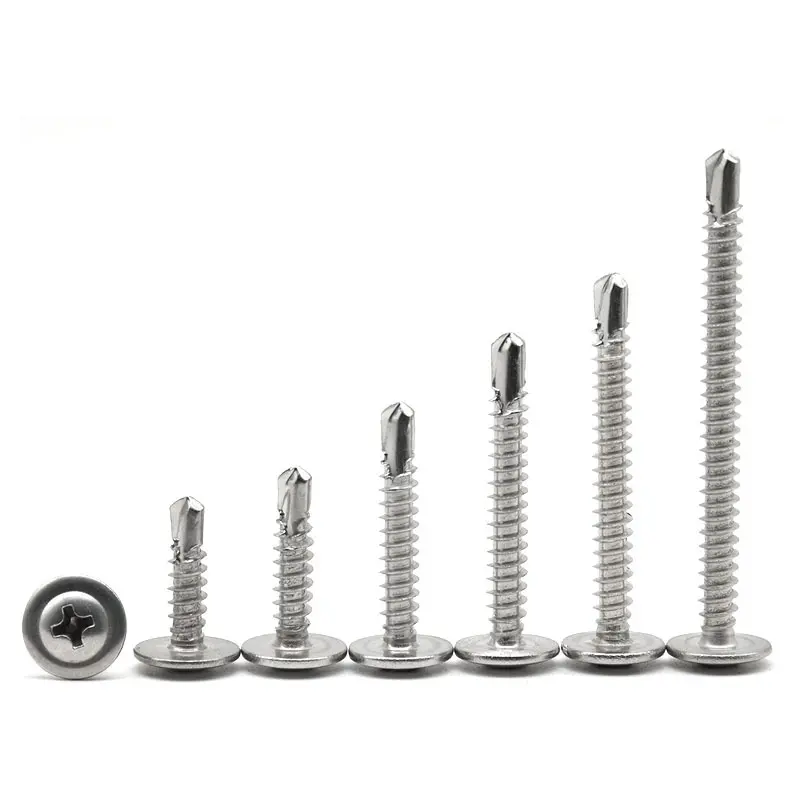
The length of truss screws is generally between 20mm and 200mm, which is related to the height of the truss structure and needs to be selected according to the actual situation.
The pitch of truss screws is generally 1.5mm~2.0mm, and the smaller the pitch, the stronger the connection.
There are generally two types of materials for truss screws: carbon steel and stainless steel. Stainless steel has a longer service life and better corrosion resistance, but the corresponding price is also higher.
Truss screws are commonly used in structural connections within mechanical engineering, construction, and aerospace fields. They are ideal for building platforms, stages, exhibition stands, and other truss-based structures.
To withstand high loads and prevent corrosion, truss screws are usually made from high-strength alloy steel, stainless steel, titanium alloy, and carbon steel.
The selection depends on the height and design of the truss structure. Generally, truss screw lengths range between 20mm and 200mm and should be selected according to actual installation requirements.
Load capacities, stress requirements, and environmental conditions are crucial. High-load environments require larger screw sizes, while marine or corrosive environments necessitate high-strength, rust-resistant materials like stainless steel or titanium alloys.
Stainless steel truss screws offer superior corrosion resistance and a longer service life compared to carbon steel, though they typically carry a higher price point.