 Ningyuan Fastener
Ningyuan Fastener
Ningyuan Fastener
High-precision fastener solutions, heavy-duty anchors, and custom connection components engineered for extreme architectural loads.
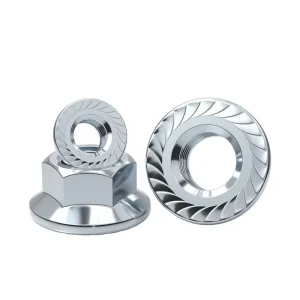
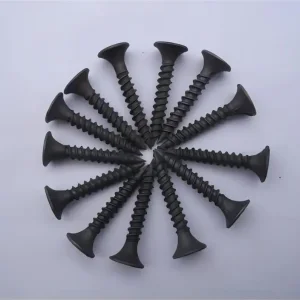
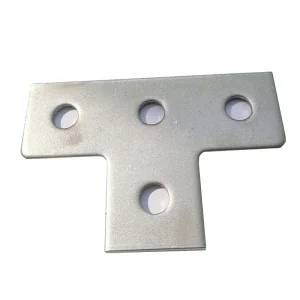
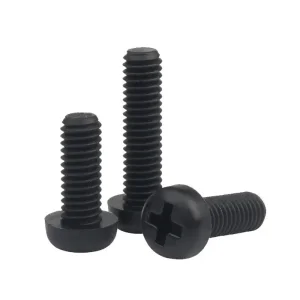
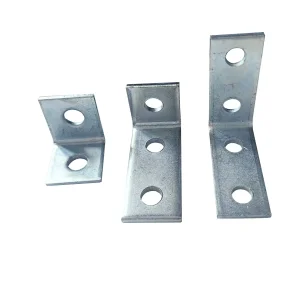
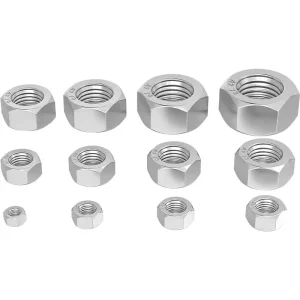
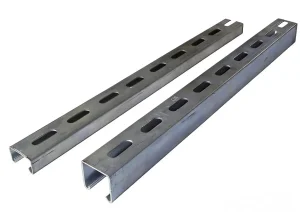
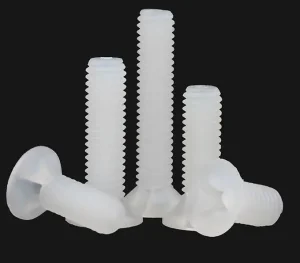
Verified factory capacities and infrastructure of Handan Ningyuan Fastener Manufacturing Co., Ltd.
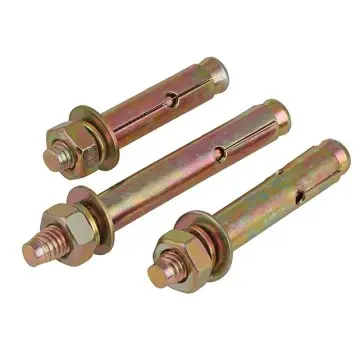
Embedded anchor bolts, often referred to as cast-in-place anchor bolts, represent the structural backbone of modern civil engineering, industrial design, and heavy equipment mounting. Unlike post-installed expansion or chemical anchors, embedded anchor bolts are cast directly into fresh concrete before it sets. This achieves the maximum potential tension and shear strength by integrating the fastener into the monolithic concrete pour.
The core mechanism relies on mechanical interlock and concrete cone failure principles. When a tensile load is applied, the force is transferred from the steel bolt shaft to the embedded head or hook, creating a compressive stress zone in the surrounding concrete. Handan Ningyuan Fastener Manufacturing Co., Ltd. applies decades of forging expertise to optimize this load transfer pathway, ensuring that our products meet ASTM, DIN, and ISO load-bearing specifications.
Our engineering team designs anchors specifically to mitigate risks associated with concrete cracking, edge distance limitations, and cyclic fatigue. By utilizing premium-grade structural steel, we produce embedded anchor bolts that provide the resilience needed for high-stress applications such as wind turbine foundations, heavy overhead cranes, and large-scale industrial warehouses.
The pullout strength of an embedded anchor bolt is defined by the formula of the concrete breakout capacity (according to ACI 318 standards). It is governed by the embedment depth (hef), the concrete compressive strength (f'c), and the spacing/edge distance. When sourcing from a specialized China factory like Ningyuan, clients receive comprehensive material testing reports (MTRs) and structural calculations detailing the exact yields of our heavy carbon steel and alloy forgings.
Every project has distinct environmental and load challenges. Our manufacturing process accommodates precise metallurgical requests.
We source Q235B, Q355B, 35#, 45#, 40Cr, and 35CrMo raw materials. For international projects, we fabricate according to ASTM A36, ASTM F1554 (Grades 36, 55, and 105), ensuring precise tensile strengths ranging from 400 MPa up to 1050 MPa.
Executed in accordance with ISO 1461 and ASTM A153. Our hot-dip galvanized coating has an average thickness exceeding 50 to 85 microns, providing decades of corrosion resistance in highly humid or offshore environments.
Utilizing automated thread-rolling machinery, we secure clean M12 to M100 thread sizes with ISO 6g/6H class fits. This ensures smooth on-site installation, eliminating assembly delays on structural steel connection points.
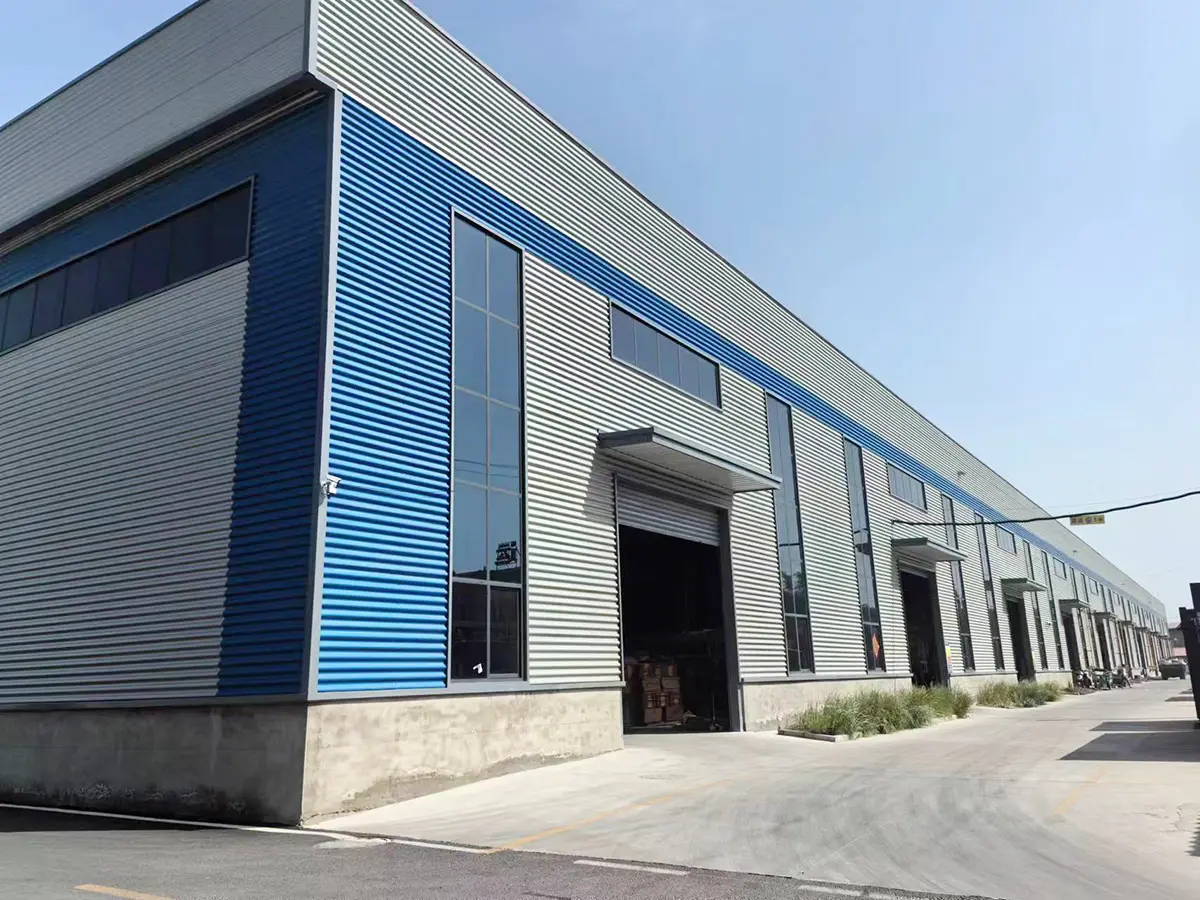
Handan Yongnian, located in Hebei Province, is globally recognized as the premier hub for the fastener industry. Over 70% of China’s total fastener output originates from this industrial cluster. This concentrated ecosystem offers significant advantages for global purchasers:
1. Integrated Raw Material Sourcing: The direct proximity to major state-owned steel plants minimizes inland shipping costs for raw wire rods and bars, protecting clients from fluctuating materials pricing.
2. Downstream Heat Treatment & Coating Facilities: Specialist surface treatment plants, cold-forging workshops, and independent testing labs operate within a 15-kilometer radius. This allows Ningyuan Fastener to execute multi-step production cycles efficiently without long logistics delays.
3. Unmatched Talent Pool: Having operated here since 2005 (initially as Jin Langtao), our workforce has developed deep expertise in tool and die design, metal forming, and machinery setup. This ensures high dimensional accuracy across large manufacturing volumes.
| Standard Code | Bolt Grade/Material | Yield Strength (Min) | Tensile Strength (Min) | Typical Applications |
|---|---|---|---|---|
| ASTM F1554 Gr. 36 | Low Carbon Steel | 36 ksi (248 MPa) | 58-80 ksi (400-550 MPa) | Light poles, sign structures, seismic supports |
| ASTM F1554 Gr. 55 | High Strength Low Alloy | 55 ksi (380 MPa) | 75-95 ksi (517-655 MPa) | Structural columns, bridge bearings, pipe supports |
| ASTM F1554 Gr. 105 | Alloy Steel (Quenched & Tempered) | 105 ksi (724 MPa) | 125-150 ksi (862-1034 MPa) | Heavy cranes, machinery foundations, wind turbines |
| GB/T 799 | Q235 / Q355 | 235 / 355 MPa | 375 / 490 MPa | General industrial concrete embedding |
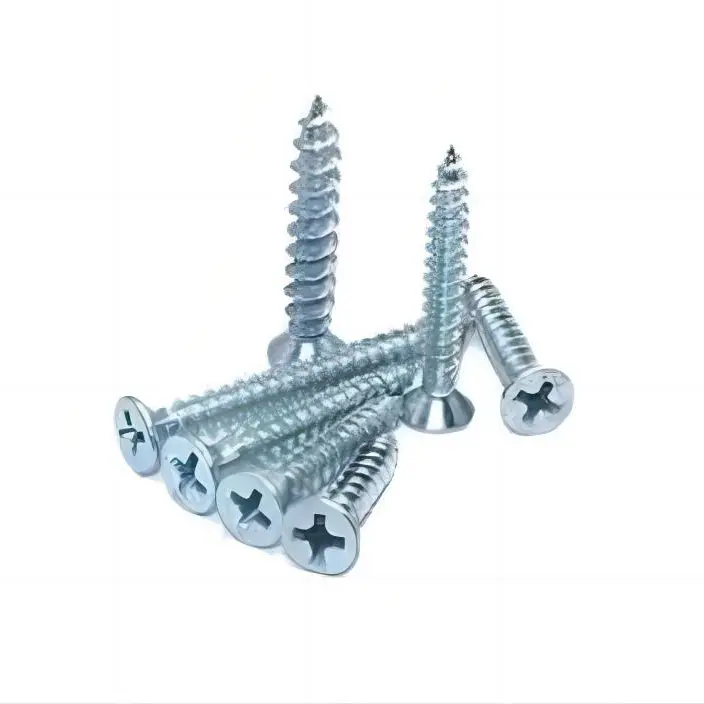
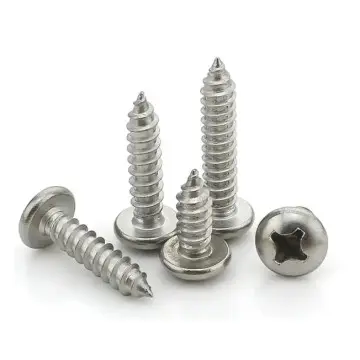
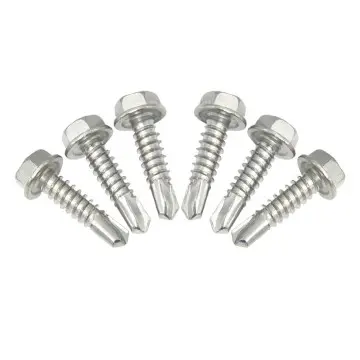
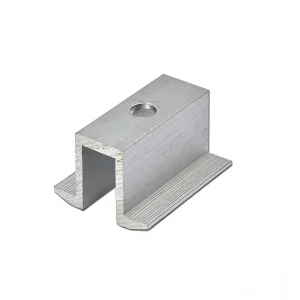
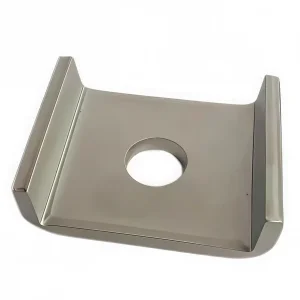
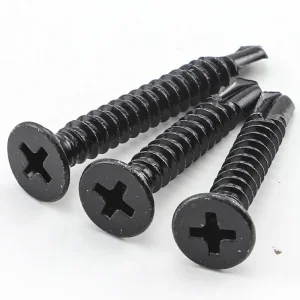
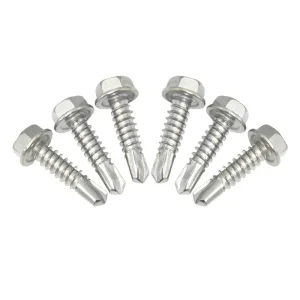
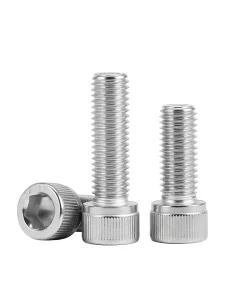
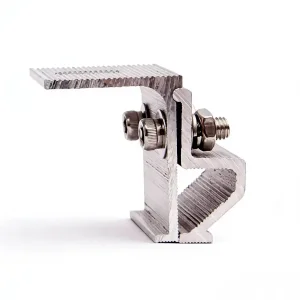
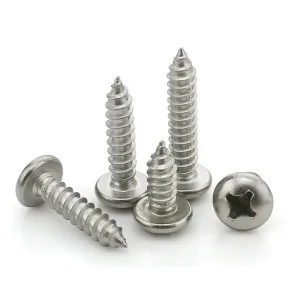
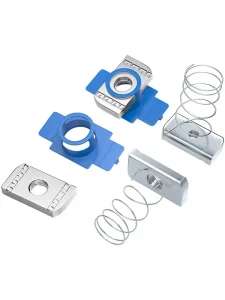
As outlined in our official catalog, we manufacture a comprehensive selection of solar mounting components and structural fasteners.
Navigating global supply chains requires rigorous attention to local construction regulations. Infrastructure projects in regions such as the European Union (CE Mark), North America (AISC/ASTM specifications), and Australia/New Zealand (AS/NZS standards) demand comprehensive certification pathways. Ningyuan Fastener supports global procurement teams by providing detailed documentation and testing:
Our in-house QA laboratory conducts tensile tests, impact tests, hardness tests (Rockwell/Brinell), and coating thickness checks on every production run. We guarantee full traceability by issuing EN 10204 3.1 Material Certificates. These documents detail the exact chemical composition (carbon, manganese, silicon, phosphorus, sulfur) and mechanical properties of the steel batch used in production.
To support design engineering teams, we offer free CAD/BIM drawing file reviews. This ensures that customized anchor designs match concrete edge distance calculations, minimizing the risk of dynamic load failures or installation issues on-site.
The global fastener industry is shifting towards smart manufacturing. Modern infrastructure demands higher fatigue limits and tighter dimensional tolerances. At Handan Ningyuan Fastener, we are integrating automated sensor networks into our multi-station cold forging machines and hot heading lines.
This automated production setup optimizes metal flow lines during bolt head formation, reducing internal stresses in the steel microstructure. These technological improvements yield several benefits for our clients:
Ningyuan anchor bolts are engineered to perform in demanding, high-load structural configurations.
Used to secure vertical structural steel columns to concrete foundations in commercial buildings, warehouses, and factories. They transfer tensile, shear, and compressive loads down to the sub-base.
Essential for solar farms where components must withstand wind loads. Hot-dip galvanized anchors secure tracking systems to concrete piles or ballast structures, protecting the installation from environmental weathering.
Secures heavy industrial machinery, overhead cranes, and mechanical systems. The anchor design reduces vibration transmission, preventing movement that could damage or disalign precision equipment.
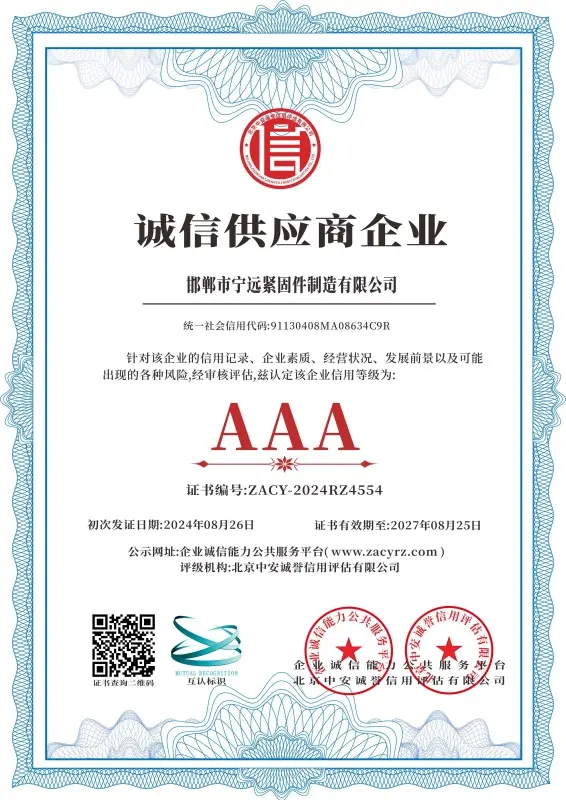
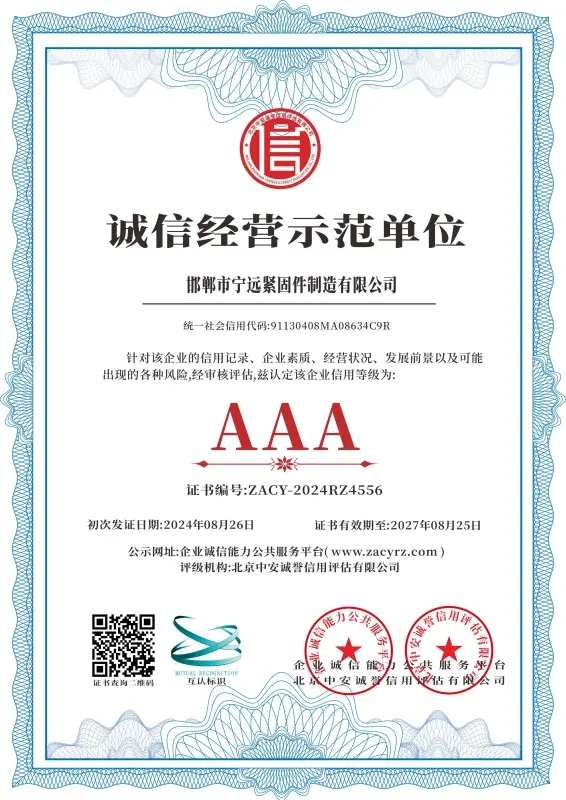
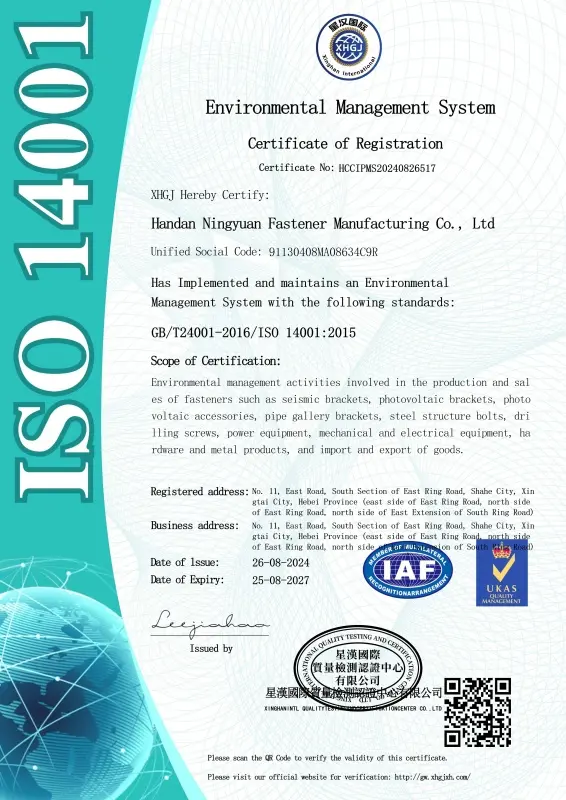
Verified compliance to international standards including weapons and equipment system, ISO9001, RoHS, and GB/T30512 automotive banned substances.
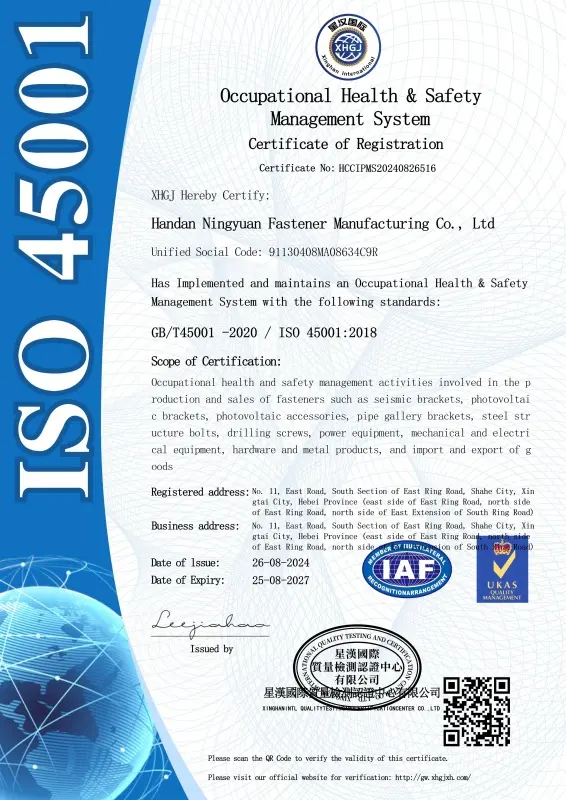
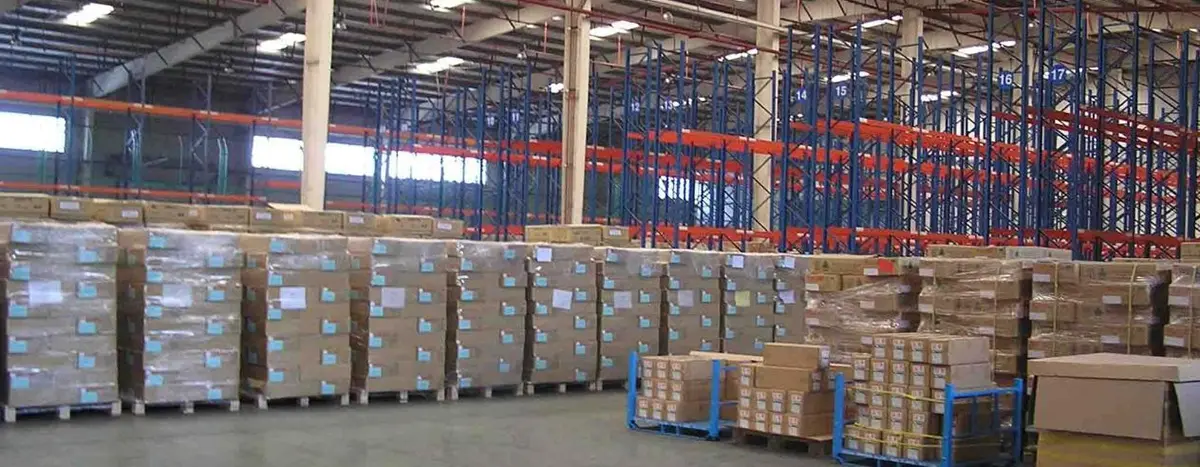
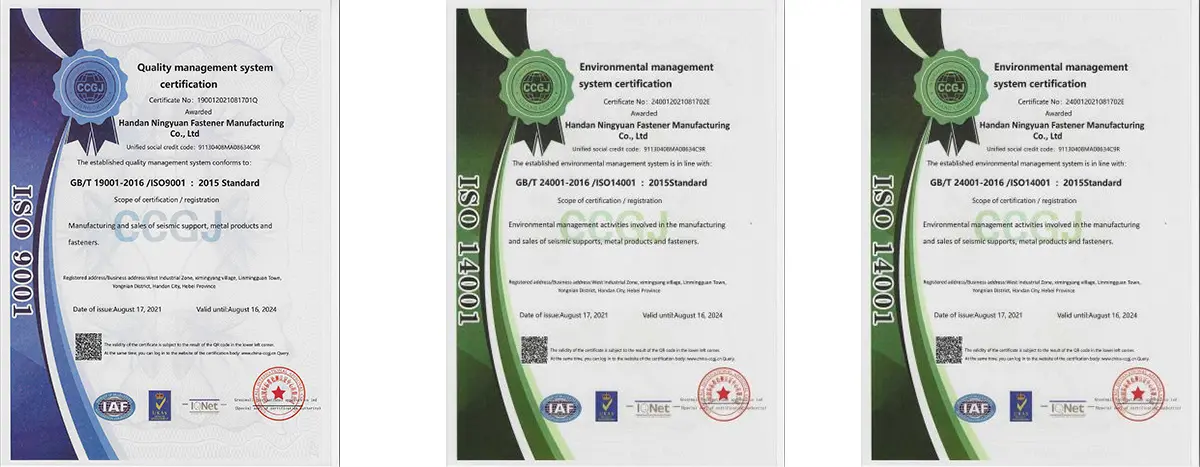
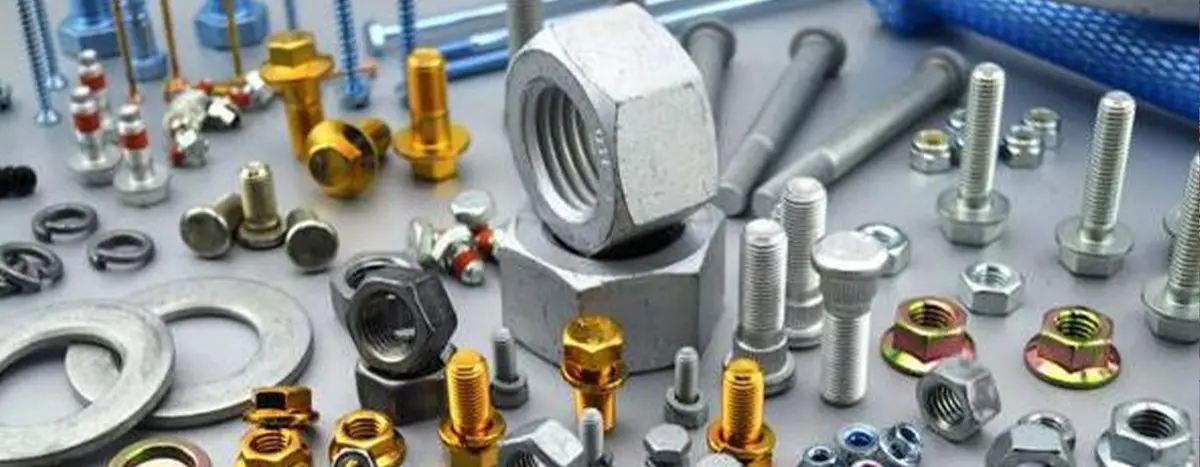

Technical and procurement answers directly from our factory engineering team.
Heavy-duty installation bolts, connectors, and specialty hardware to support construction and industrial projects.
Proper installation of embedded anchor bolts is key to structural safety. Errors during this phase can compromise load transfer capacity and lead to concrete fracturing or premature bolt failure. We recommend following these guidelines for cast-in-place installations:
High-strength steel fasteners, particularly those with tensile strengths exceeding 1000 MPa (such as ASTM F1554 Grade 105), can be susceptible to hydrogen embrittlement. This issue occurs when atomic hydrogen enters the steel during cleaning, acid pickling, or electroplating processes, leading to cracking under static stress.
To prevent hydrogen embrittlement, Handan Ningyuan employs strict manufacturing controls. We replace acid pickling with mechanical blasting (shot blasting) to clean high-strength bolts before coating. If chemical cleaning is necessary, the bolts are baked in tempering ovens at temperatures between 200°C and 220°C for at least four hours immediately after plating. This process releases trapped hydrogen from the steel matrix, preserving the fastener’s tensile integrity.
Partner with a leading China manufacturer of embedded anchor bolts and industrial fasteners. Our engineering and sales support team is ready to assist with your project requirements.
Address: Handan Yongnian, Hebei Province, China (Fastener Capital)
Experience: 20+ Years Industry Experience, ISO9001 Certified Quality Management.
Submit your design specifications, raw material requests, and target volumes. Our technical team will respond with a quote and engineering support within 24 hours.