 Ningyuan Fastener
Ningyuan Fastener
Ningyuan Fastener
Explore our engineering-grade components utilized in utility corridor support systems, seismic restraint assemblies, and global solar racking configurations.

In structural steel frame setups, modular framing configurations, and seismic bracing grids, the 4-hole angle bracket functions as a primary high-strength connector. Designed to provide rigid 90-degree joints, these components secure structural struts, C-channels, and beams under heavy dynamic and static load profiles. By distributing mechanical loads across four structural anchoring points, these brackets effectively minimize stress concentrations and counter torsional, shear, and axial forces.
At Handan Ningyuan Fastener Manufacturing Co., Ltd., we engineer our 4-hole angle brackets using premium structural steel grades (such as ASTM A36, Q235B, and Q345B) and corrosion-resistant alloys (Stainless Steel 304 and 316). We process these brackets through high-speed mechanical presses to ensure strict dimensional alignment, uniform thickness, and optimal load pathways, keeping tolerances well within global structural standards.
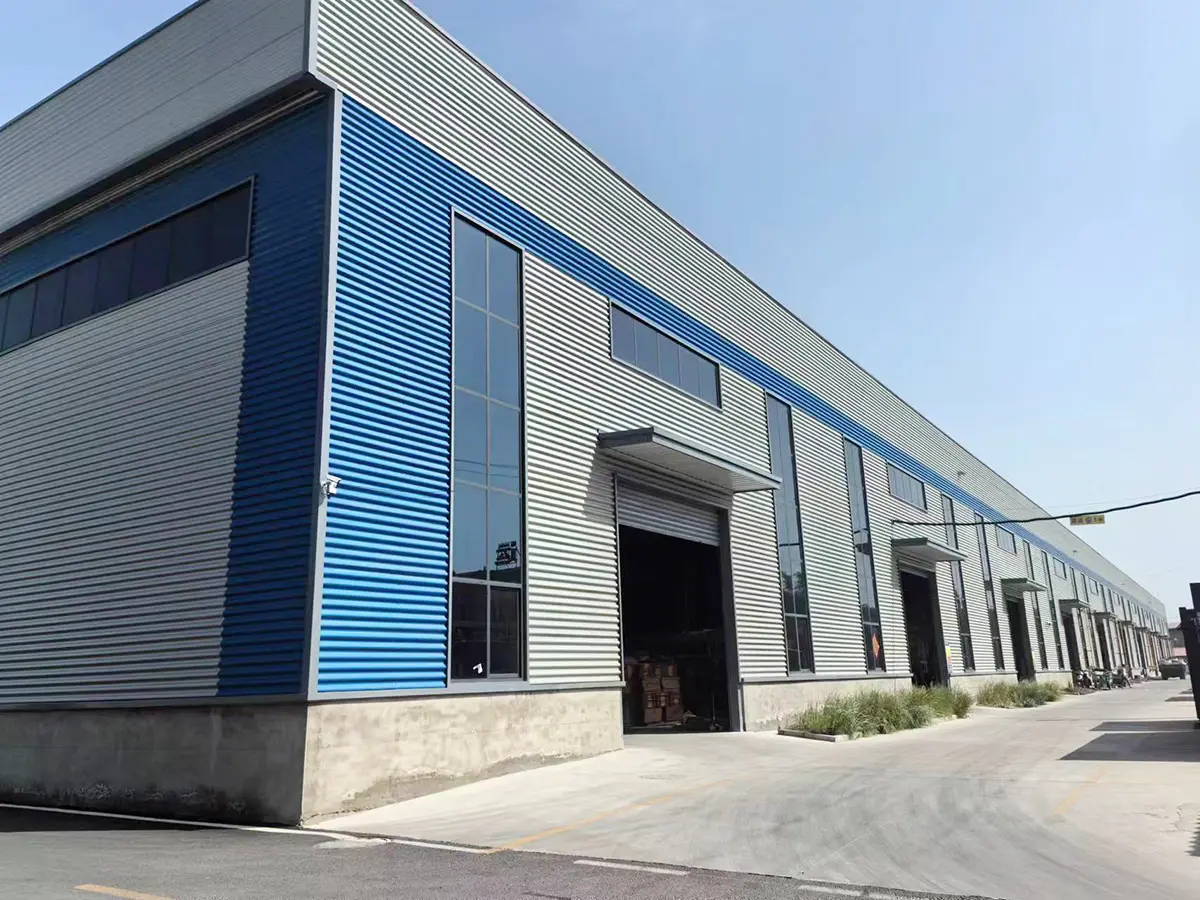
Delivering robust structural hardware components with validated testing protocols and consistent production output.
Yongnian District in Handan, Hebei Province, is widely recognized as the fastener manufacturing capital of China. This localized industrial cluster yields substantial benefits for global engineering buyers:
Analyzing structural applications of 4-hole angle brackets across seismic, commercial, and energy sectors.
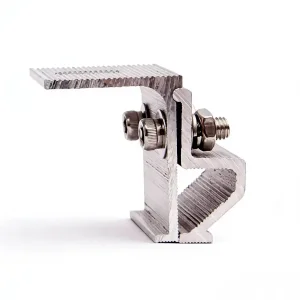
Utility-scale ground-mounted and rooftop solar installations utilize 4-hole angle brackets to connect C-shaped steel structures and aluminum extrusions. These brackets are designed to withstand high winds, snow loads, and seismic movements while maintaining joint alignment.
In building services engineering, MEP (Mechanical, Electrical, Plumbing) pathways require bracing against seismic forces. 4-hole corner connectors attach sway-brace channels to concrete anchors, distributing kinetic energy through building structures during seismic events.
Urban underground utility tunnels house municipal pipes, high-voltage lines, and telecommunications cabling. Our hot-dip galvanized 4-hole brackets secure the framing racks, offering durability in high-humidity subterranean spaces.
The service life of structural brackets depends heavily on their base metal composition and surface treatments. Standard structural steel, though robust, is prone to oxidation in industrial and outdoor settings. To prevent steel failure, we apply targeted protection mechanisms:
Brackets are cleaned and dipped in a molten zinc bath (~450°C), creating a multi-layered zinc-iron alloy coating. This finish provides sacrificial cathodic protection, making it ideal for marine and chemical plants.
For cleanrooms, food processing plants, and marine zones, we produce brackets from SS304 or molybdenum-bearing SS316, providing high resistance to pitting and crevice corrosion.
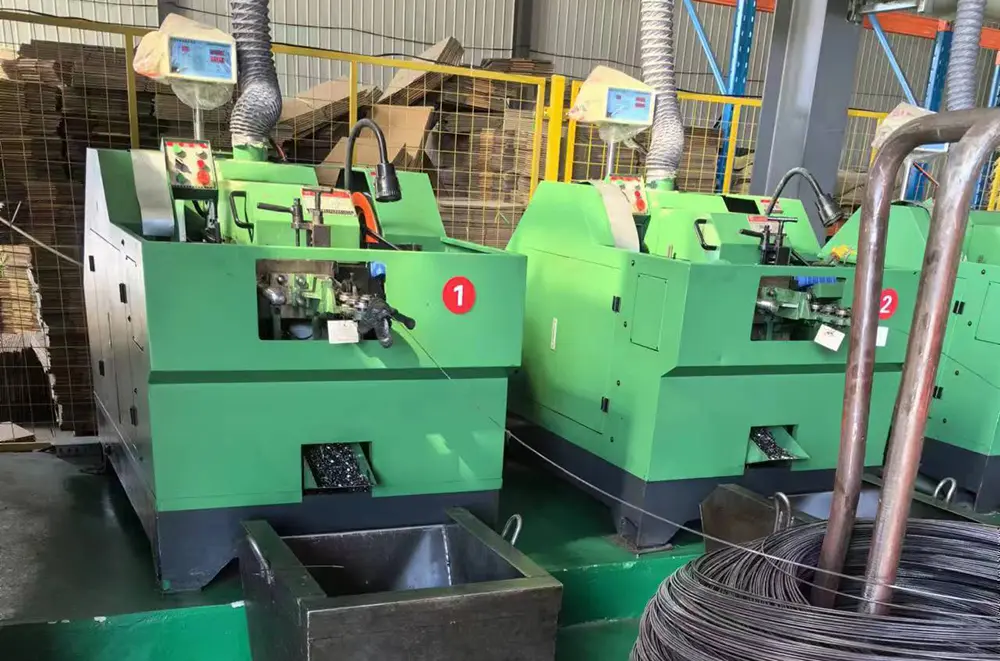
Our quality assurance workflow runs from raw material coil testing to automated dimensional analysis of finished products, ensuring consistent performance on the job site.
To meet global engineering requirements, our 4-hole angle brackets undergo a series of strict QA tests at our facility before dispatch:
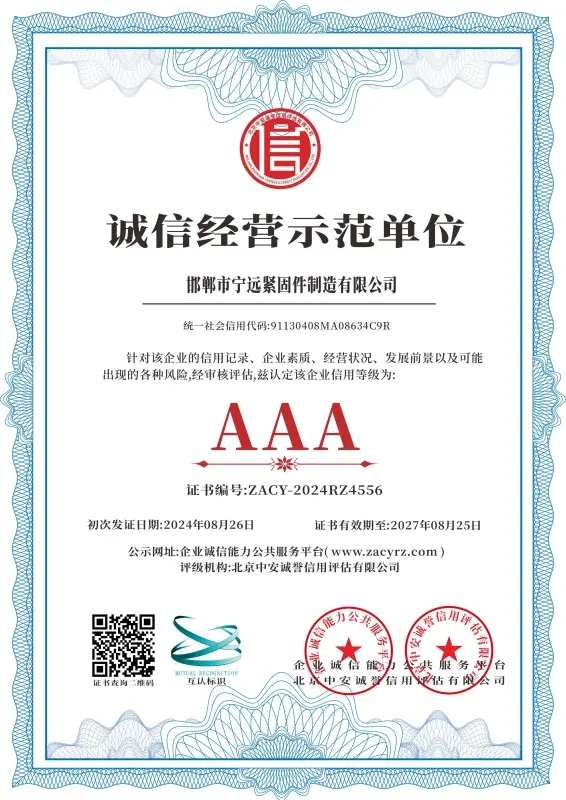
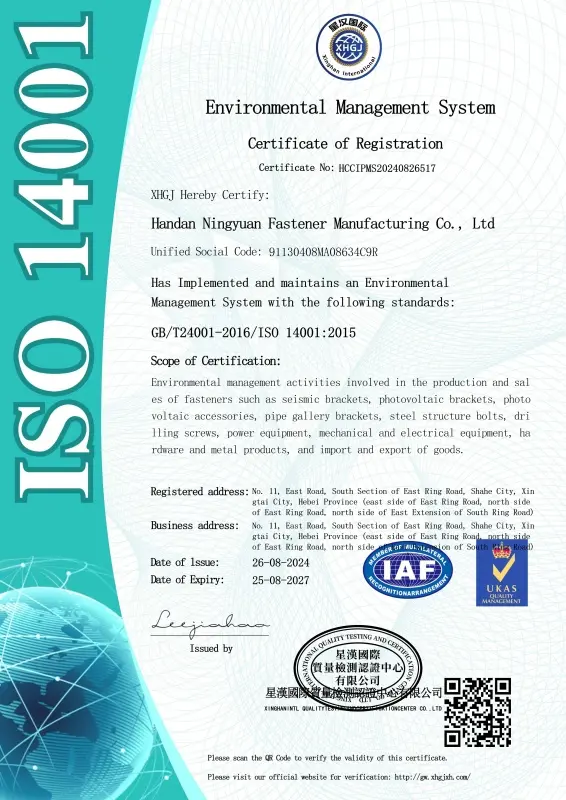
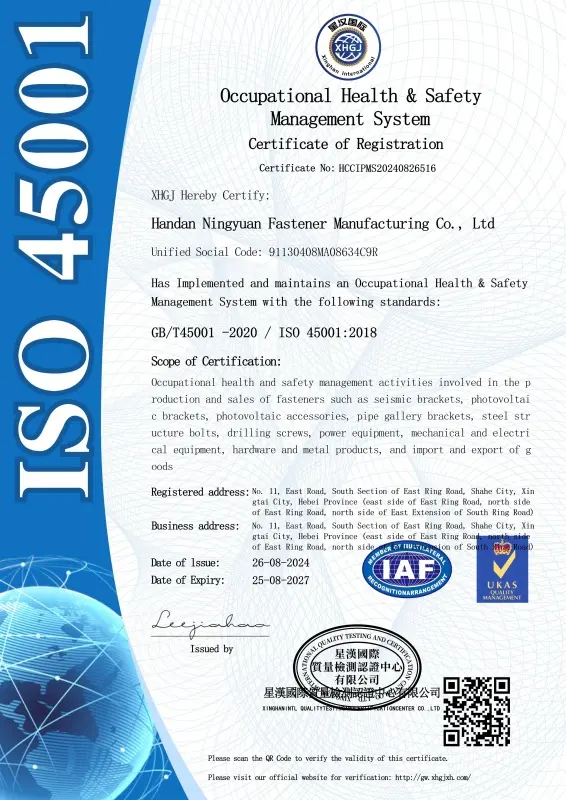
In-depth engineering and procurement answers for structural engineers, project managers, and supply chain specialists.
A 4-hole angle bracket offers superior structural performance by distributing the mechanical load over double the surface area compared to a 2-hole variant. The two bolts on each arm prevent the joint from pivoting under dynamic, seismic, or gravitational loads. This layout provides high shear and moment resistance, keeping connections stable and reducing structural flexing over time.
The load capacity depends on the material grade, thickness, and channel bolt torque. For a standard 4-hole bracket made of 1/4" (6.35 mm) ASTM A36 steel mounted to a strut channel using M12 (1/2") high-tensile fasteners torqued to 50 ft-lbs, the typical safe design load is approximately 1,500 lbs (6.67 kN) in shear and up to 2,000 lbs (8.90 kN) in tension. We recommend checking these figures against the safety factors of your local building code.
Under ISO 1461 and ASTM A123 standards, hot-dip galvanization for brackets of this thickness requires a minimum average coating of 85 microns. In C3 industrial/urban environments, zinc corrodes at a rate of 1 to 2 microns per year, providing over 50 years of corrosion protection. In C5 marine environments, zinc wear rises to 4 to 8 microns per year, giving the steel 10 to 20 years of active cathodic protection before red rust appears.
Yes. With over 50 pieces of metalworking machinery and 20 years of manufacturing experience, we handle custom fabrication requirements. We can adjust hole diameters (e.g., from 9/16" to 11/16"), change bracket thickness (from 4mm to 8mm), adapt physical layouts, and apply specialty coatings. Send us your CAD drawings (DWG/DXF/STEP format) to receive a custom quote.
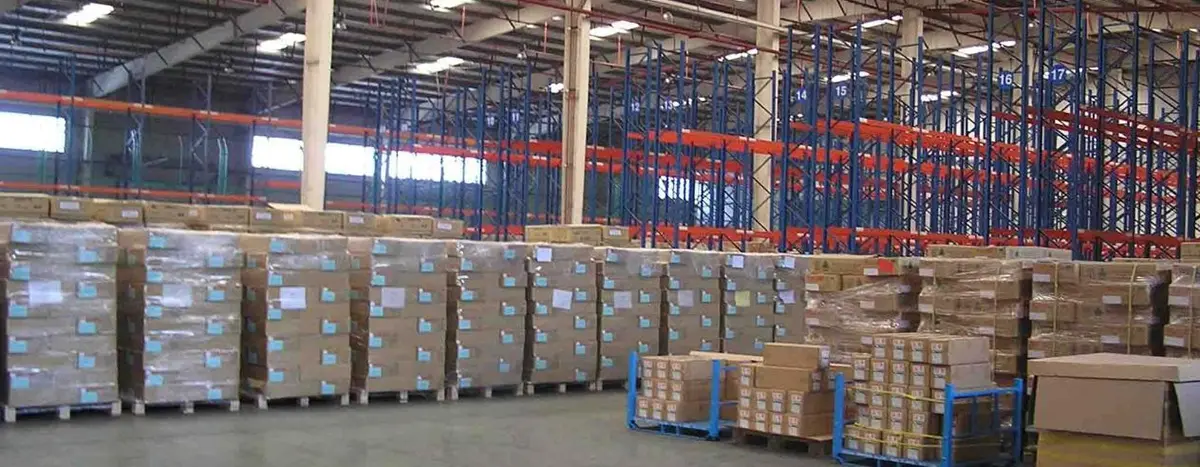
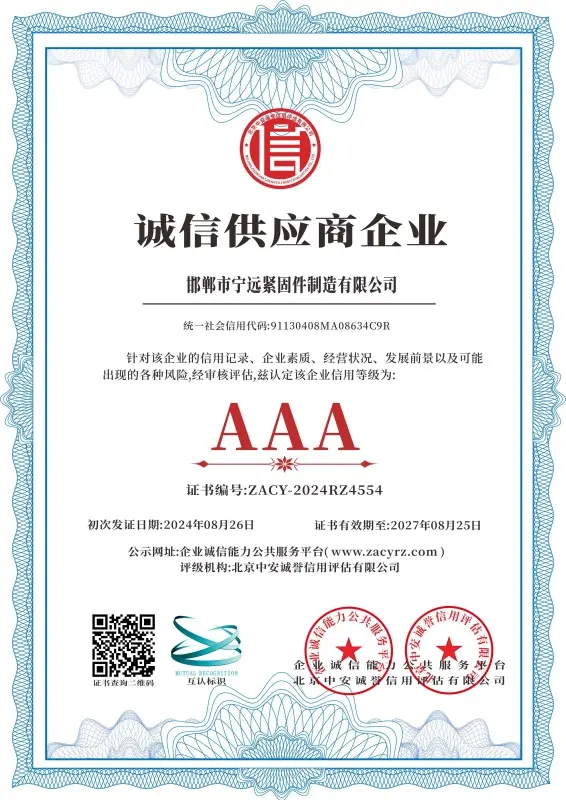
Every shipment is backed by a full documentation package, including Mill Test Certificates (MTC) showing ladle chemistry and mechanical testing, coating thickness logs, dimensional reports, and RoHS compliance paperwork. Our factory operates under ISO 9001 quality management systems, and our products meet international standards including GB/T, DIN, and ASTM.
Explore our wider range of ground anchoring, electromechanical hangers, and nylon fastening solutions.
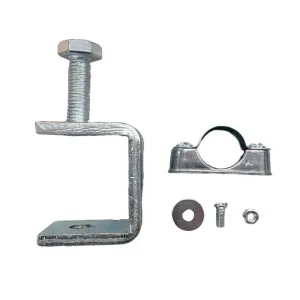
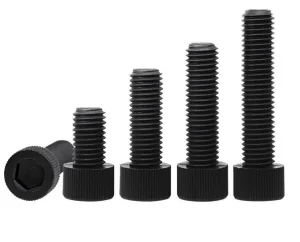
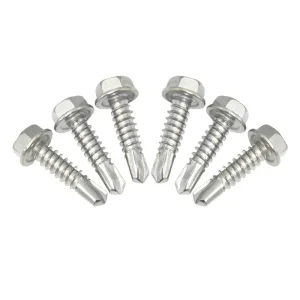
Handan Ningyuan Fastener Manufacturing Co., Ltd. has developed from a local supplier into a modern manufacturing enterprise serving international partners. By focusing on engineering quality and utilizing automated cold-stamping lines, multi-station cold headers, and precise tapping equipment, we ensure high repeatability across production runs.
Our engineering team works closely with infrastructure project designers to deliver custom fastener and bracing solutions. By integrating raw material sourcing, in-house tooling development, and validated structural testing, we support the timely completion of projects in the solar, seismic, and municipal construction sectors.