 Ningyuan Fastener
Ningyuan Fastener
Ningyuan Fastener
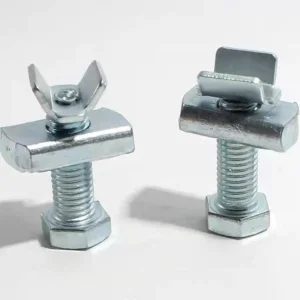
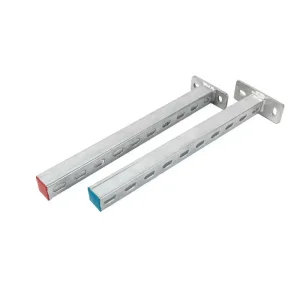
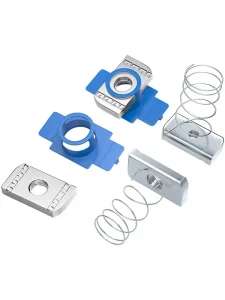
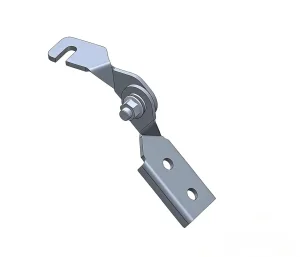
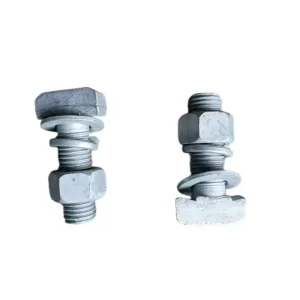
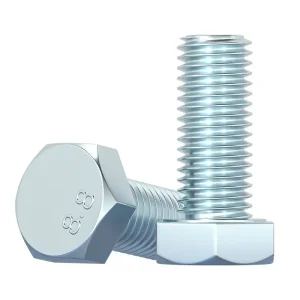
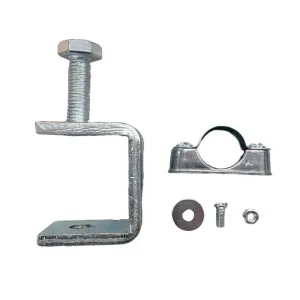
In utility-scale photovoltaic (PV) installations and commercial rooftop mounting structures, structural integrity under dynamic environmental stress is paramount. The Photovoltaic Middle Pressure Block (commonly referred to as a mid clamp) is not merely a clamping accessory; it is a critical load-bearing interface. Placed between two adjacent solar panels, the mid clamp distributes localized mechanical loads to the underlying mounting rail or bracket system, absorbing complex tensile, compressive, and shear forces.
From a mechanical perspective, photovoltaic panels are subjected to cyclical wind uplifts, localized snow accumulations, and structural vibrations. The middle pressure block prevents the dynamic displacement of PV modules, maintaining structural security across the array's 25-year design life. Standard mounting structures utilize aluminum alloys, such as AL6005-T5, which undergo precise heat treatment to achieve a yield strength capable of resisting major wind velocity forces.
Deployed in arid, high-radiation terrains. Demands robust UV resistance, stable physical performance under extreme heat variations, and rapid snap-on design parameters to accelerate mechanical assembly on site.
Engineered for lightweight structural requirements. Features quick ground-bonding integration paths, high corrosion protection from urban soot, and fire classification compliance to secure standard structures.
Requires high-durability protection options due to intense local humidity and elevated presence of volatile organic chemicals (such as fertilizers and ammonia) in farming areas.
Designed for severe marine-grade conditions. Specifically utilizes thicker anodized layers (greater than 15 microns) and marine-grade stainless steel fasteners to defend against water vapor ingress.
Historically, structural brackets were fabricated from structural carbon steels. However, modern photovoltaic engineering favors high-tensile anodized aluminum (Al6005-T5) for middle and end pressure blocks. The weight-to-strength ratio of Al6005-T5 allows manufacturers to reduce structural weight loads on roof assemblies while maintaining yield strength thresholds above 260 MPa.
Additionally, extruded aluminum allows for complex profile engineering. Intricate grooves and anti-slip profiles can be manufactured directly onto the clamp surface, ensuring maximum friction against the panel frame.
Handan Ningyuan employs state-of-the-art aluminum extrusion lines combined with computer-controlled machining centers (CNC) to verify dimensional tolerances within ±0.1mm, ensuring a secure fit every time.
When exposed to oxygen, aluminum naturally forms a thin oxide film. However, in outdoor industrial environments with saline precipitation or high humidity, this natural barrier is insufficient. Industrial-grade middle pressure blocks must undergo controlled anodic oxidation to build a dense protective oxide layer.
This anodized film, engineered to exceed 10 microns (and up to 15 microns for coastal installations), acts as an insulating barrier against atmospheric corrosion. It prevents oxidation pitting, which can degrade the clamp's integrity over time.
At Handan Ningyuan, our surface treatment procedures ensure that all photovoltaic accessories resist salt spray environments, meeting strict international standards like ISO 9227 and ASTM B117.
Developing adjustable pressure blocks that accommodate frame heights from 30mm to 50mm, simplifying inventory logistics for global distributors.
Integrating grounding pins directly into the clamp frame to pierce the anodized film, establishing immediate electrical continuity without extra components.
Utilizing drop-in spring nuts that pre-align inside the mounting rail channel, reducing installation time by up to 35% in large-scale projects.
Transitioning to green-aluminum alloys processed via clean, renewable energy sources to align with international carbon reduction initiatives.
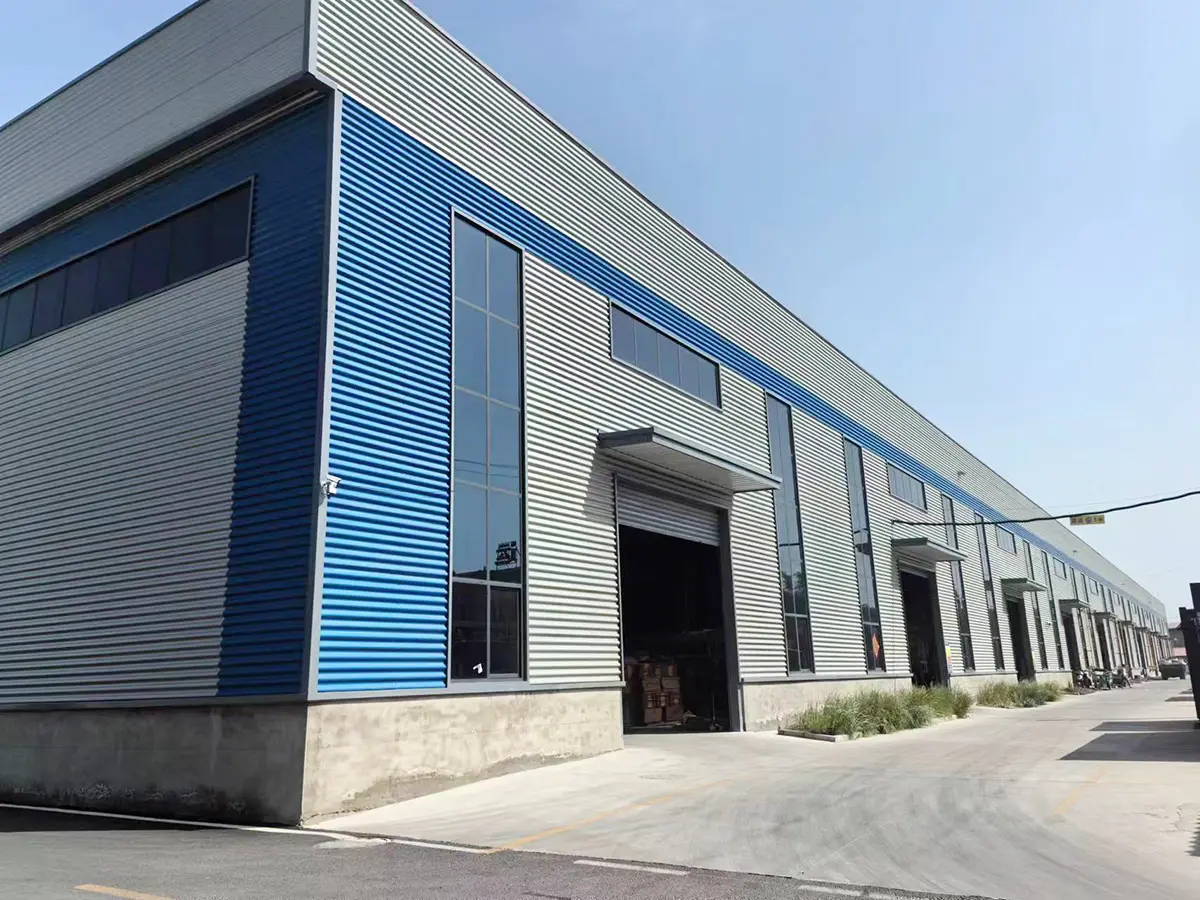
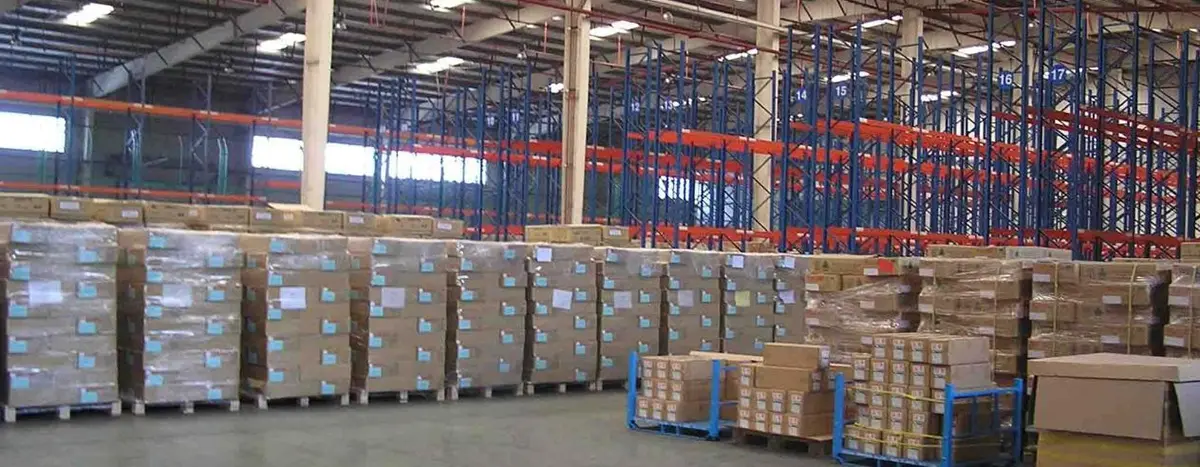
Established in 2005 (formerly known as Jin Langtao), Handan Ningyuan Fastener Manufacturing Co., Ltd. is located in Handan Yongnian—well-known globally as the **Fastener Capital of China**. This location offers a strong ecosystem of raw materials, optimized processing, heat treatment facilities, and specialized logistics.
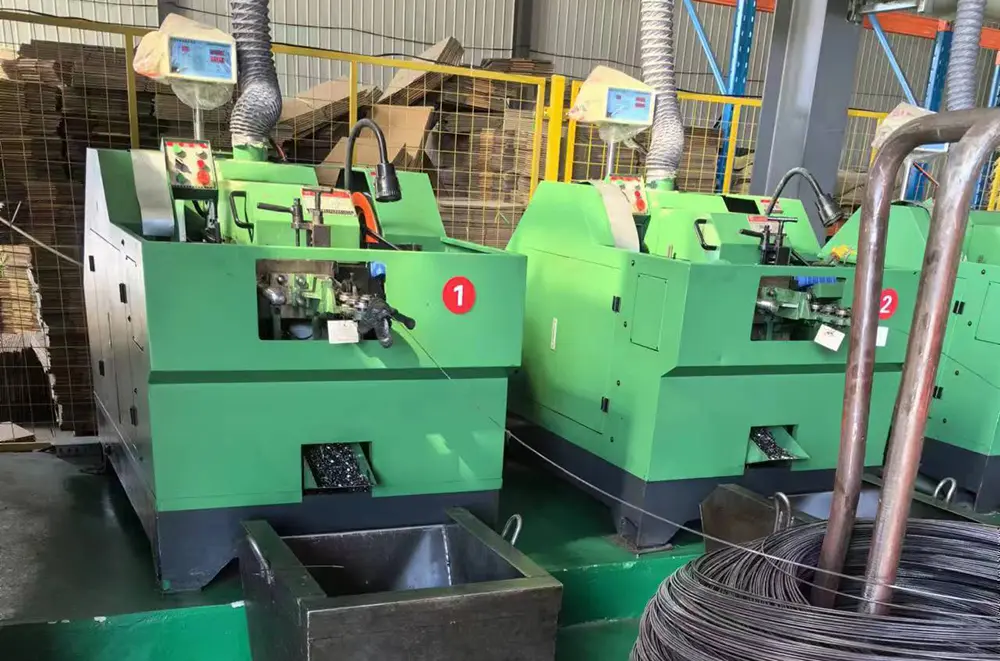
Operating across a **20,000 square meter facility** with over **50 sets of production equipment**, the company maintains an annual sales volume of **70 million Yuan**. Our operations integrate R&D, advanced manufacturing, and quality control under one roof. Our location in Yongnian allows us to source raw materials efficiently, keeping lead times short and pricing competitive for our global clients.
We supply a wide range of mounting hardware, including photovoltaic brackets, C-channels, U-channels, H-rails, and specialized middle pressure blocks. Our experienced engineering team ensures all structural parts are designed to perform reliably under high wind and seismic loads.
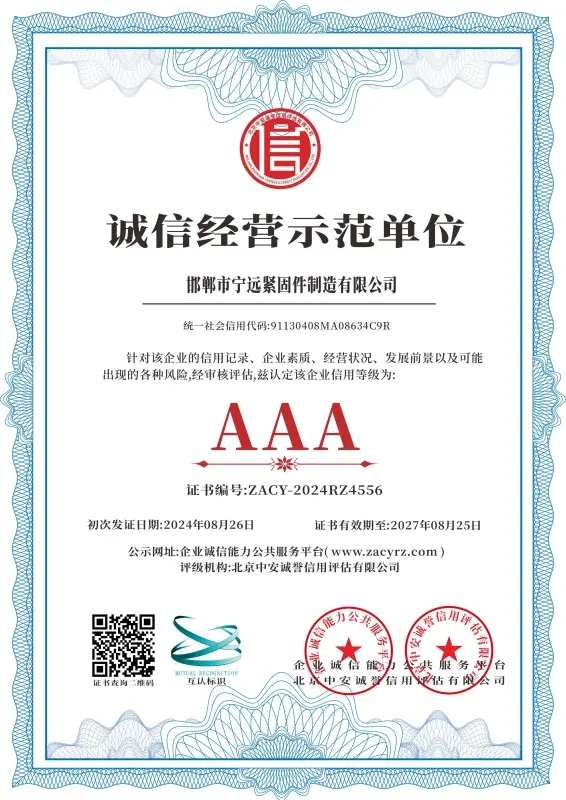
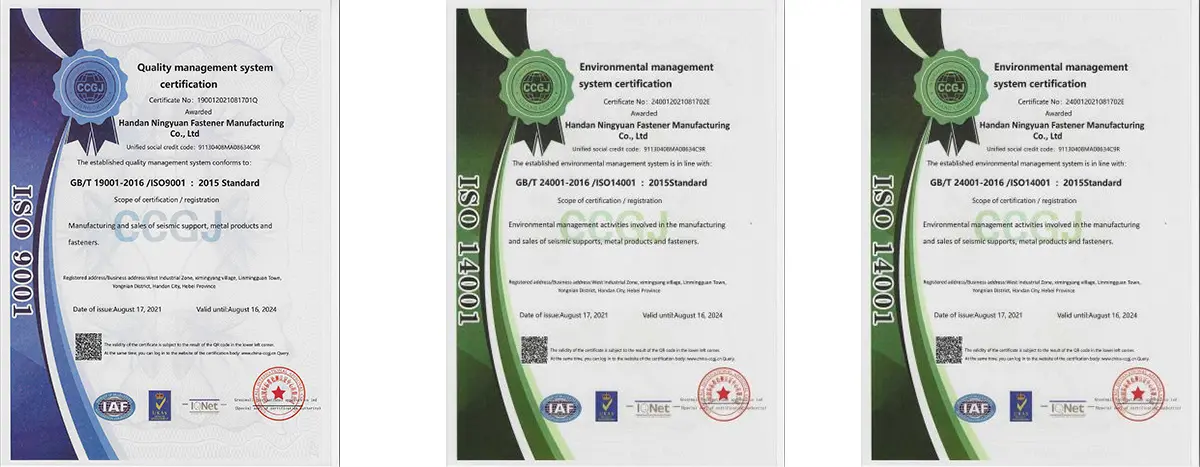
Our factory processes are verified by international organizations to guarantee that every product batch meets strict quality, safety, and environmental standards.
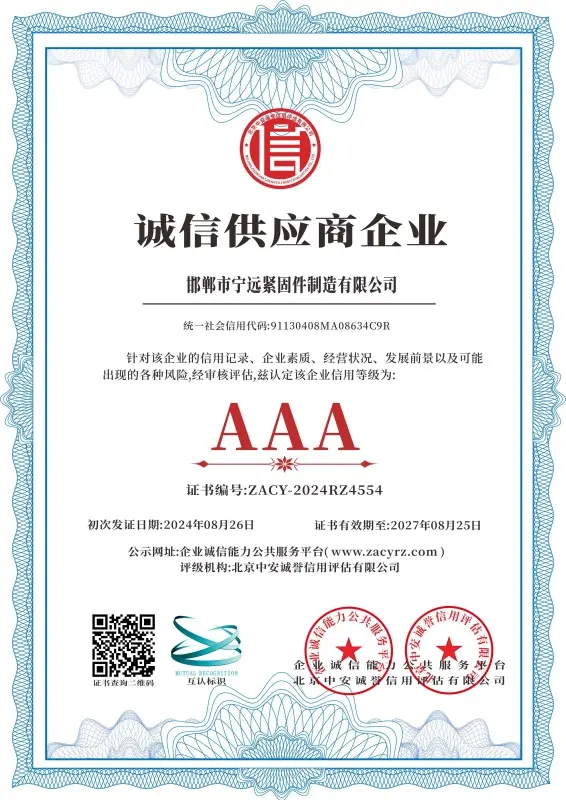
ISO9001 System Certified
RoHS EU Standards Compliant
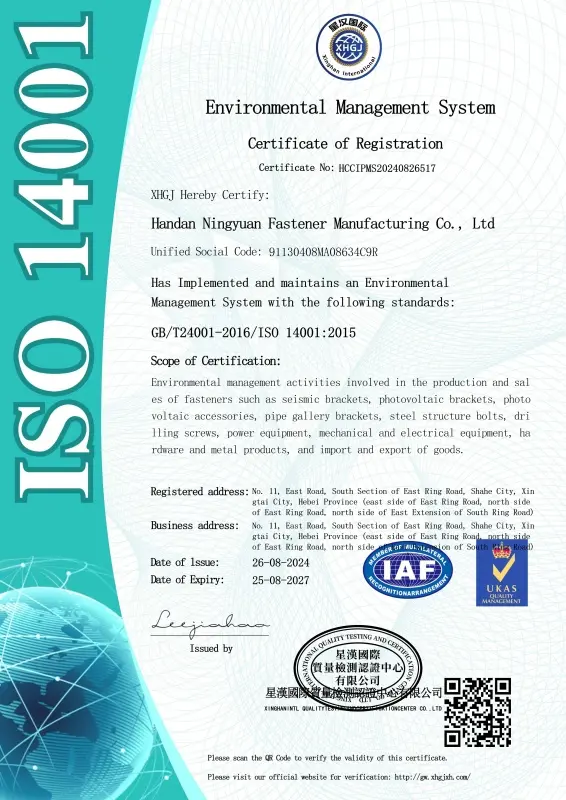
GB/T30512 Standard Compliant
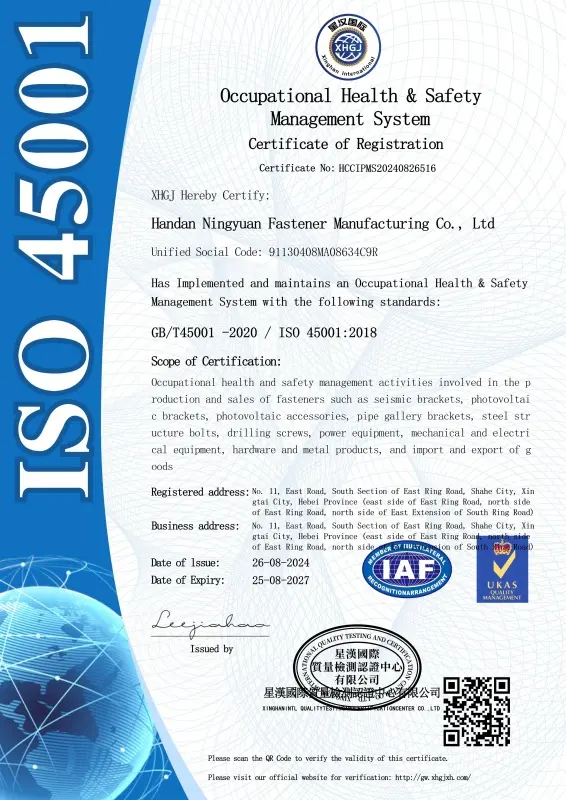
ELV 2000/53/EC Compliant
Our premium aluminum middle pressure blocks can be specified with integrated stainless steel grounding pins or earthing washers. When the clamp bolt is tightened to the recommended torque, these sharp pins pierce the anodized surface layer of the solar panel frame and the aluminum rail. This creates a reliable, continuous path to ground across the entire array, removing the need for separate grounding wires.
For standard M8 stainless steel fasteners (T-bolts or Allen bolts) used in our systems, we recommend a torque range of 15 to 18 N·m, depending on the rail profile. Under-tightening can cause the panels to slip under high winds. Over-tightening can deform the aluminum frame of the panel, warp the rail profile, or cause micro-fractures in the PV glass, reducing the lifespan of the system.
When aluminum components are in direct contact with steel rails, galvanic corrosion can occur due to difference in electrical potential. We prevent this by anodizing our aluminum clamps to create a durable, non-conductive surface. When steel fasteners are required, we use SUS304/316 stainless steel or hot-dip galvanized finishes. This provides effective isolation and ensures structural stability in high-humidity or coastal locations.
Yes. Frameless glass-on-glass modules cannot be clamped directly with metal profiles because localized mechanical stress can crack the glass. We supply specialized middle pressure blocks fitted with weather-resistant EPDM rubber pads. These pads cushion the contact area, distribute clamping forces evenly, and protect the glass edges from damage.
Our products undergo testing to ensure performance under extreme wind loads (compliant with ASCE 7-16 and EN 1991 standard limits). Our production is ISO 9001 certified, and our materials comply with RoHS, ELV (2000/53/EC), and GB/T30512 automotive banned substance standards. We provide material testing sheets, anodization depth records, and salt spray test certificates for every batch.
Tensile Stress Test
Vibration Test

CNC Precision Calibration