
Ningyuan Fastener Ningyuan Fastener

China Hexagon bolt Factories, Companies

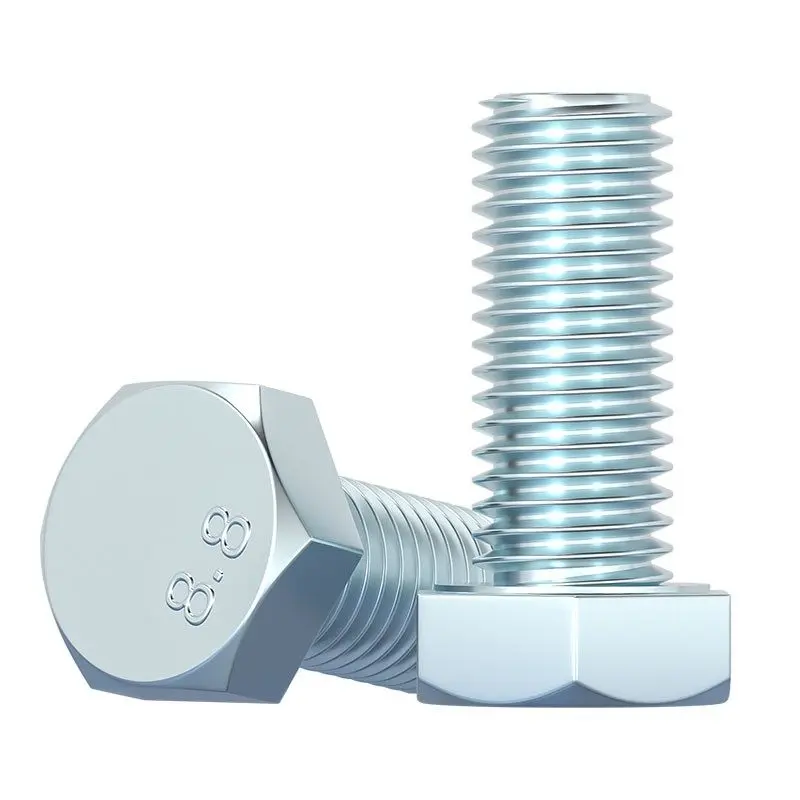
Hexagon Bolt: Seismic Resistant Fastening Solutions

When it comes to ensuring structural integrity and safety in seismic-prone areas, investing in high-quality hexagon bolts is essential. Our hexagon bolts are specially designed as seismic-resistant fastening solutions, providing superior strength and stability for various applications, including construction, machinery, and infrastructure projects.

Key Features:
High Durability: Crafted from premium materials, our hexagon bolts withstand extreme pressures and vibrations, ensuring long-lasting performance even in challenging environments.
Seismic Compliance: Engineered to meet rigorous seismic standards, these hexagon bolts offer reliable performance during earthquakes, minimizing the risk of structural failure.
Versatile Applications: Ideal for a wide range of uses, our hexagon bolts are perfect for building frameworks, bridges, and other critical infrastructure where safety is paramount.
Easy Installation: The hexagonal shape allows for efficient torque application, making installation quick and straightforward.
Corrosion Resistance: Our bolts are treated to resist corrosion, ensuring they maintain their strength and integrity over time, even in harsh conditions.
Why Choose Our Hexagon Bolts?
●
Quality Assurance: Each product undergoes stringent quality control processes to guarantee optimal performance.
●
Expert Support: Our knowledgeable team is available to assist with any technical questions and provide tailored solutions for your projects.
●
Competitive Pricing: Enjoy unmatched quality at competitive prices, making your investment in safety more affordable.
Optimize Your Seismic Safety Today!

Don’t compromise on safety. Choose our hexagon bolts for your next project and experience peace of mind knowing your structures can withstand seismic forces. Contact us today for a quote or to learn more about our products!

Product Description

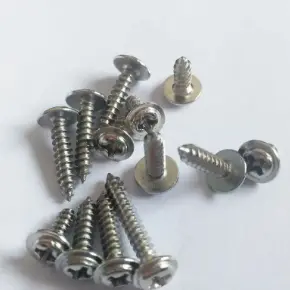
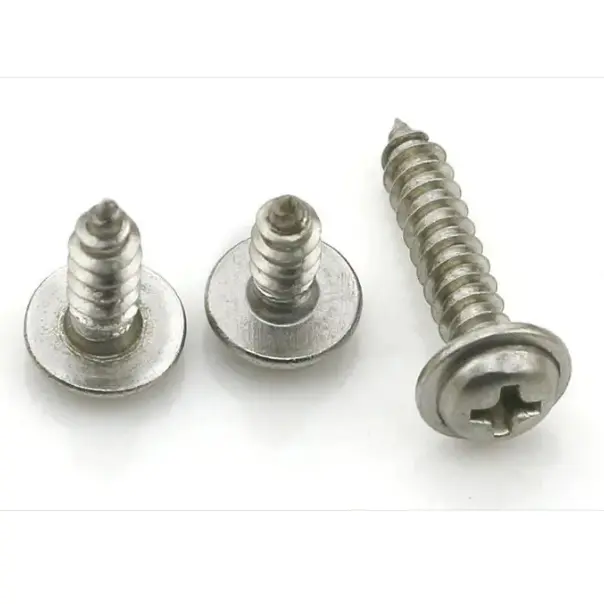
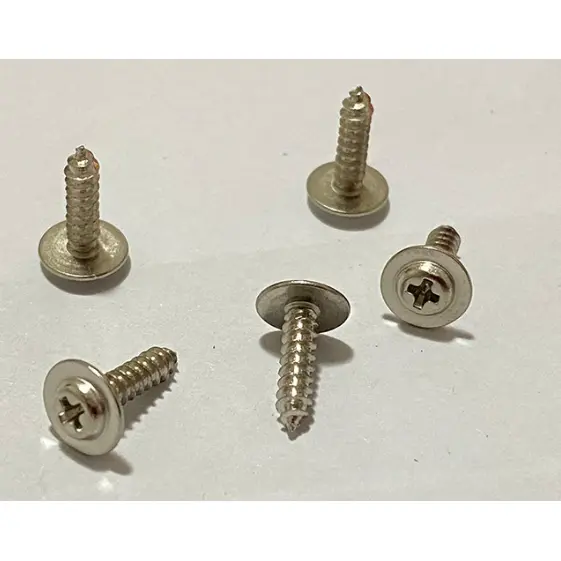
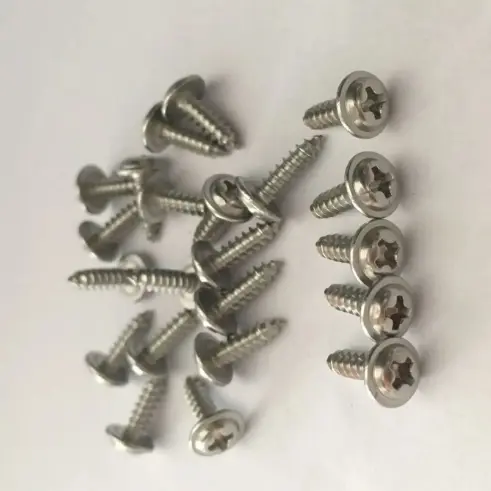
Truss screws can be basically divided into two types: cutting truss screws and forging truss screws. Cutting truss screws is achieved by cutting raw materials into fixed shapes and then machining them. Therefore, their external shape is regular. The forged truss screws are forged by heating the metal and using a forging machine. This means that the shape of the forged truss screws may be more complex.

Truss screws are usually made of high-strength alloy steel, stainless steel, titanium alloy and other materials to ensure that they can withstand high loads and will not have corrosion or other problems during long-term use.
Truss head self tapping screws (3)s9p
Truss head self tapping screws (4)1xo
Truss head self tapping screws (5)4mx
Key Functions of Truss Screws

Truss screws are indispensable connectors in truss structure design. They have the following functions:
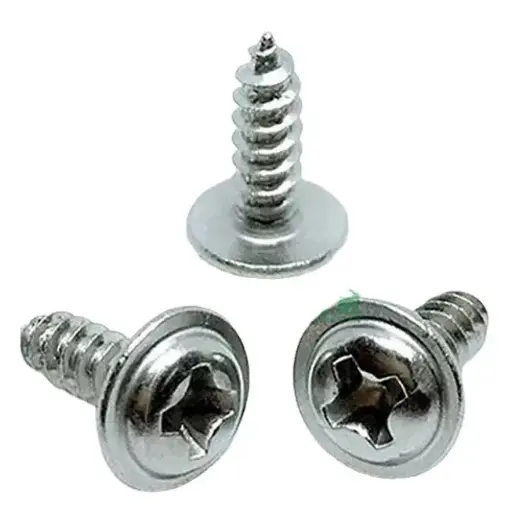
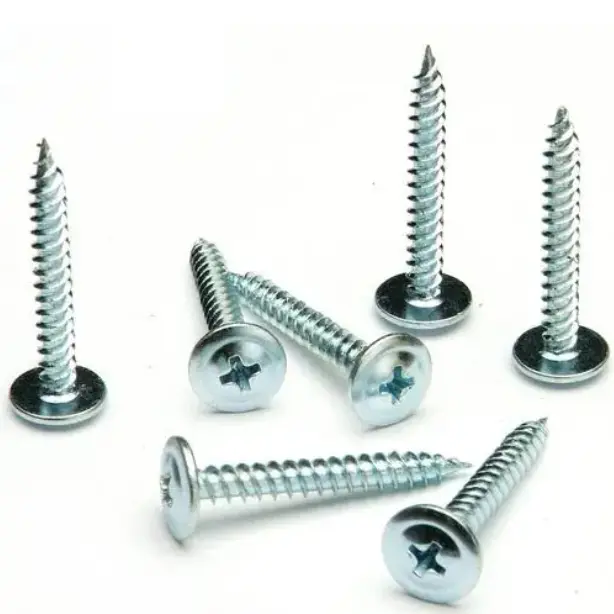
  • Connect the various components of the truss structure;
  • Enhance the stability and robustness of the truss structure;
  • Provide highly reliable connections in various engineering applications.
Truss head self tapping screws (6)yow
Truss head self tapping screws (7)vkb
Truss head self tapping screws (8)f5v

The key factors in selecting suitable truss screws are load, stress, and environment. The greater the clamping force, the larger the screw size needs to be selected to meet the requirements under high load conditions. In marine, corrosive, and other harsh environments, it is necessary to choose high-strength materials such as stainless steel or titanium alloys that meet the requirements.

Truss screws are a widely used connector that plays an irreplaceable and important role. This article introduces the definition, classification, material, function, and other aspects of truss screws, hoping to help readers understand and master the basic knowledge of truss screws, so as to play the maximum role in practical applications.
Frequently Asked Questions (FAQ)
What are the primary differences between cutting and forging truss screws?
Cutting truss screws are manufactured by machining raw materials into fixed shapes, resulting in regular external shapes. Forged truss screws are created by heating metal and using forging machines, which allows for more complex structural designs.
What materials are typically used to manufacture truss screws?
Truss screws are commonly fabricated from high-strength alloy steel, stainless steel, and titanium alloy to ensure high load capacity and prevent long-term corrosion.
What are the key functions of truss screws in engineering?
They are designed to connect various components of a truss structure, enhance structural stability and robustness, and provide highly reliable connections across engineering applications.
How do load and stress influence the selection of truss screws?
Higher load conditions require greater clamping force, which means larger screw sizes must be selected to properly distribute and support structural stress.
Which truss screw materials are best for harsh or marine environments?
For marine, corrosive, and other challenging environments, high-strength materials such as stainless steel or titanium alloys are recommended to ensure long-term durability.

Related Products