 Ningyuan Fastener
Ningyuan Fastener
Ningyuan Fastener
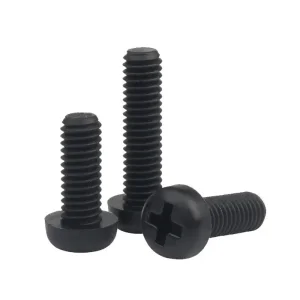
Corrosion-resistant non-conductive nylon bolts for regional power transmission networks.
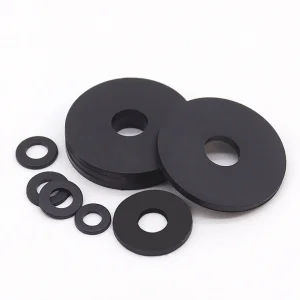
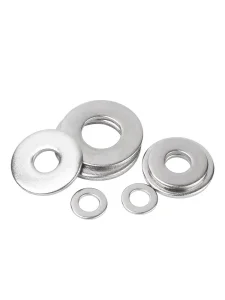
Precision spacing washers offering thermal separation in extreme climatic conditions.
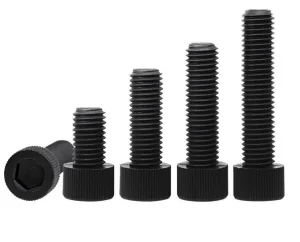
High tensile strength engineering polymers optimized for petrochemical refinement machinery.
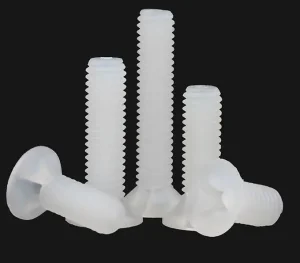
Countersunk configurations for flush mounting in electronic control cabinet enclosures.
As Central Asia's leading economy, Kazakhstan is undergoing a massive industrial modernization. From the expansion of oil and gas refining complexes in Atyrau and Tengiz to new solar power arrays in Zhambyl and municipal expansions in Almaty, structural fasteners must conform to rigorous requirements. These elements hold together massive structural frameworks, solar trackers, and seismic damping systems.
For procurement directors, engineering firms, and EPC contractors operating within the Eurasian Economic Union (EAEU), purchasing from an optimized manufacturing source is a necessity. Handan Ningyuan Fastener Manufacturing Co., Ltd. (formerly Jin Langtao), operating out of China's primary fastener hub, provides a direct factory pipeline that matches these specific geological and economic needs.
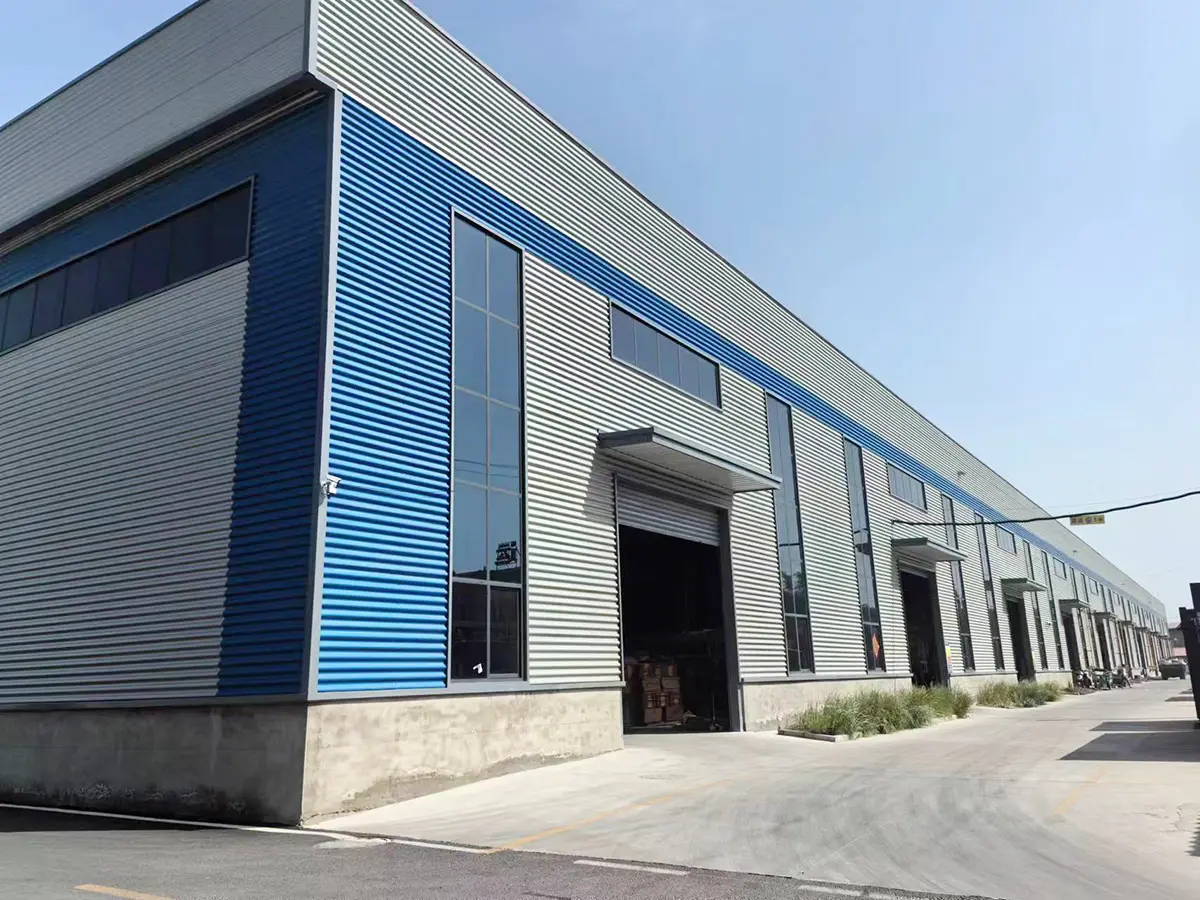
Understanding the environmental and mechanical stresses that demand specialized, high-grade fastener design in Central Asia.
Kazakhstan’s continental climate subjects structural systems to temperature variations ranging from -45°C in Northern winters to +40°C in Southern summers. Fasteners must retain tensile ductility at sub-zero temperatures and resist joint loosening caused by thermal contraction.
The southern urban zones of Almaty reside near active geological fault lines. Infrastructure projects must integrate mechanical anchors, Hafen slots, and seismic hangers that withstand lateral shear displacements without structural failures.
The petroleum extraction fields in the Caspian Sea basin carry highly corrosive saline air and sulfur compounds. Fasteners used in these regions require thick hot-dip galvanization (HDG) or proprietary Dacromet barrier coatings.
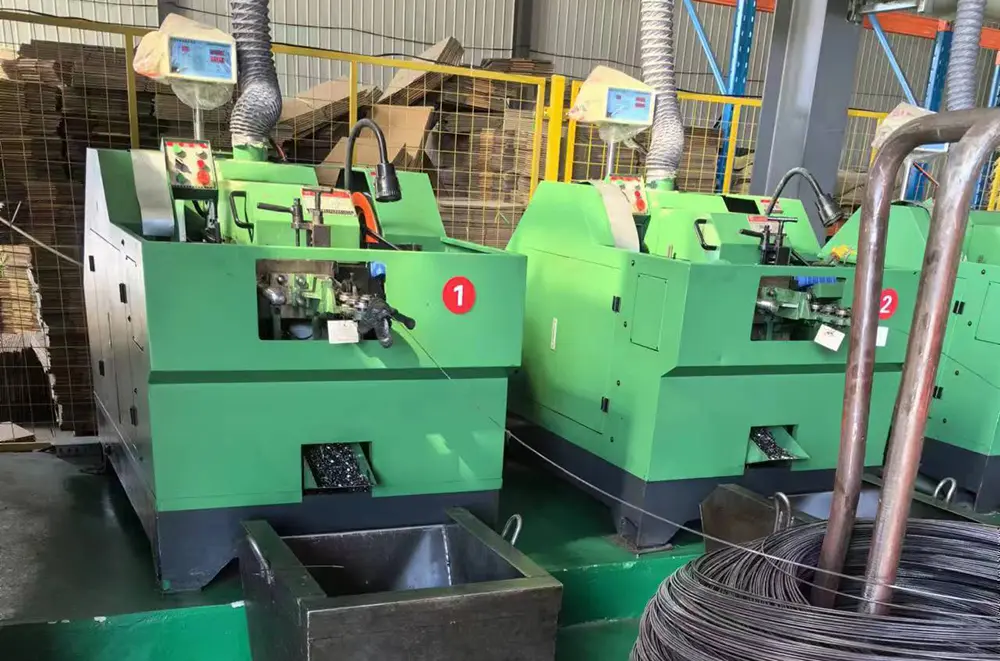
"Ningyuan Fastener Group leverages 18+ years of expertise, utilizing over 50 sets of multi-station cold heading and thread-rolling machinery to produce 60 million+ high-integrity fasteners annually."
Request Factory Credentials FileA comparative table to help Eurasian procurement engineers verify equivalence between local GOST standards and international production standards.
| Component Category | GOST Standard (CIS) | Equivalent DIN/ISO | Common Materials | Primary Applications in Kazakhstan |
|---|---|---|---|---|
| Hexagonal Structural Bolts | GOST 7798-70 / 7805-70 | DIN 931 / DIN 933 | Grade 8.8, 10.9 Carbon Steel | Heavy steel framing, civil works, warehouse construction |
| High-Strength Steel Bolts | GOST 22353-77 | DIN 6914 / ISO 7412 | Alloy Steel 40Cr, 35CrMo | Mining equipment, cranes, heavy duty structural trusses |
| Hexagon Nut Series | GOST 5915-70 / 5927-70 | DIN 934 / ISO 4032 | Class 8, 10 Carbon Steel | Mating thread applications in machinery and piping anchors |
| Flat and Elastic Washers | GOST 11371-78 / 6402-70 | DIN 125 / DIN 127 | Structural Carbon Steel | Vibration isolation and load distribution across joints |
| Concrete Expansion Anchors | GOST 28778-90 | ISO 23053 / DIN 32525 | Zinc-plated Q235B, Stainless Steel | Seismic foundation anchoring, utility tray suspensions |
Critical components engineered for structural steel building bolt systems, pipe galleries, and electromechanical systems.
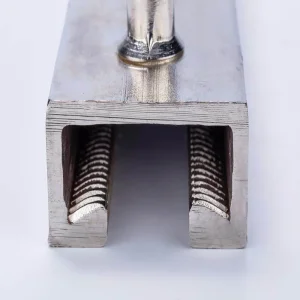
Cast-in anchor channels providing adjustable connections for curtain walls in Almaty.
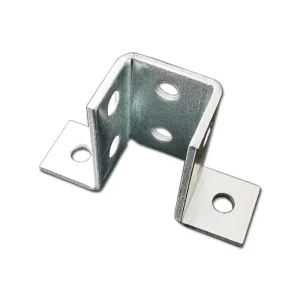
Heavy structural C-channel bases designed for integrated pipe galleries and utility racks.
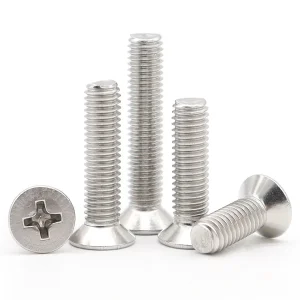
Precision cross-recessed flat head bolts for electrical distribution boards.
Resilient elastomeric cushions for structural vibration damping in pump stations.
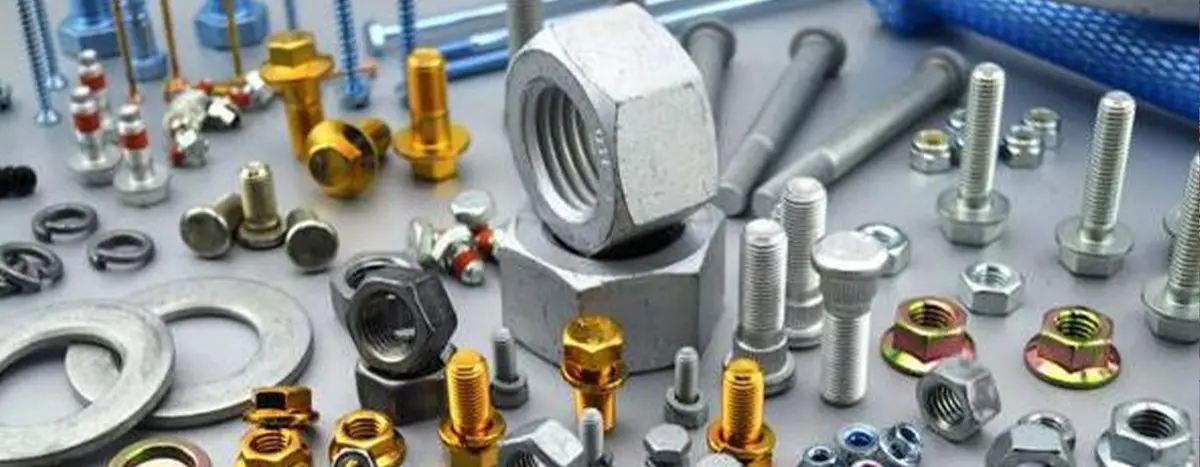
Photovoltaic brackets, C-shaped steel, U-shaped steel, H-rails, sinks, square pipes, press blocks, photovoltaic piles, hot-dip galvanized bolts, hot-dip galvanized nuts, hot-dip galvanized hex bolts, hot-dip galvanized triangles, bases, pressure plates, embedded plates, U-shaped wires, seismic supports, pipe gallery supports, steel structure bolts, embedded anchors, drill tail wires, and drywall nails.
Industrial performance is defined by the resilience of its constituent connections. For the massive solar projects in Karaganda, Zhambyl, and Almaty regions, structural components must remain stable for upwards of 25 years in exposed outdoor terrains.
Our manufacturing complex at Handan Yongnian leverages computerized multi-station cold heading machinery. This production technology forms high-tensile components from raw wire rod stock with minimal material wastage and structural grain orientation control.
By executing raw material cold forming, threat rolling, automated heat treatment, and surface plating in a centralized facility, we maintain control over dimensional tolerances and mechanical integrity.
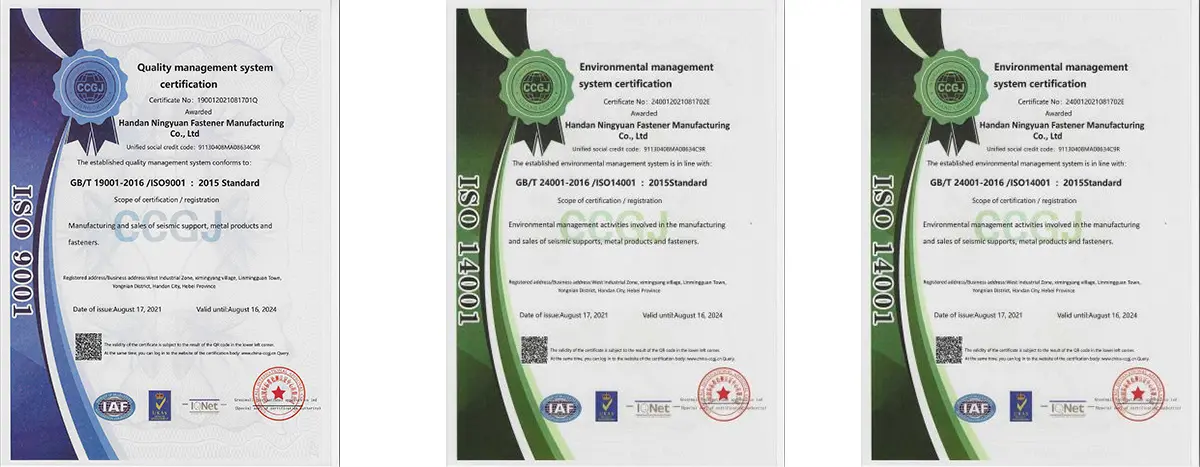
Our production processes conform to international standards, facilitating customs clearance within the Eurasian Customs Union (EAC).
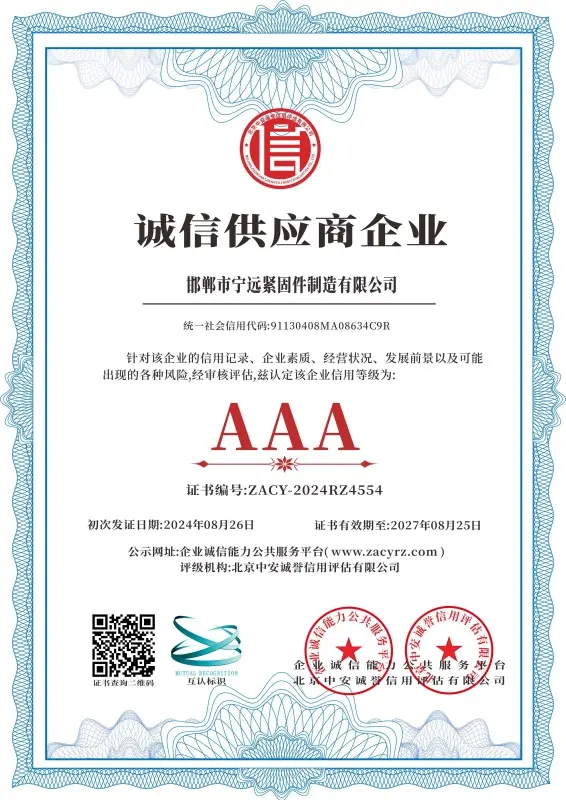
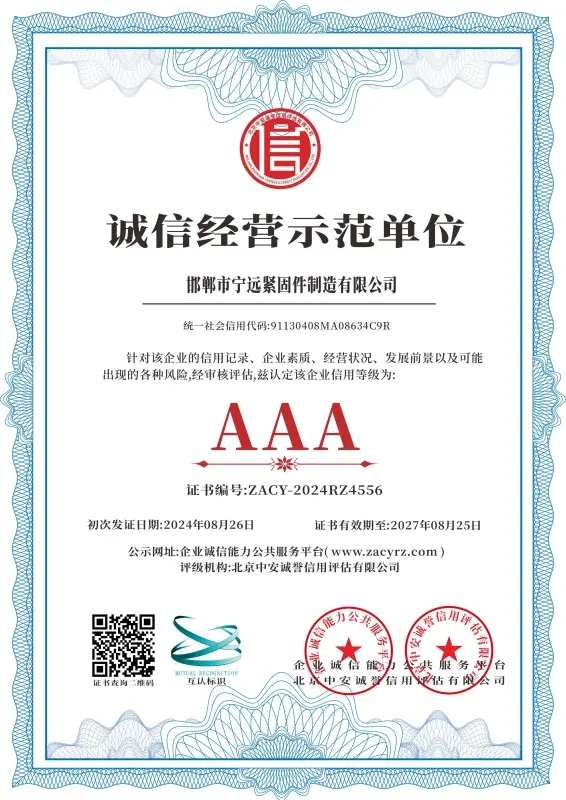
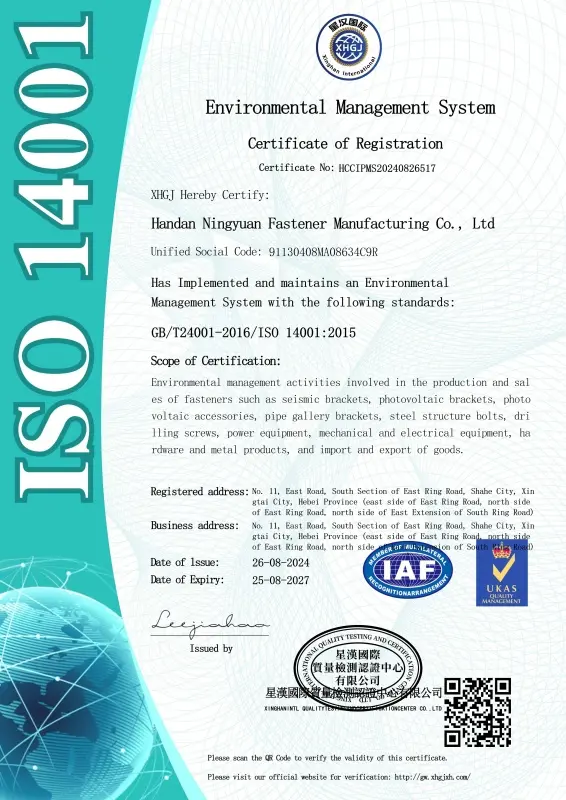
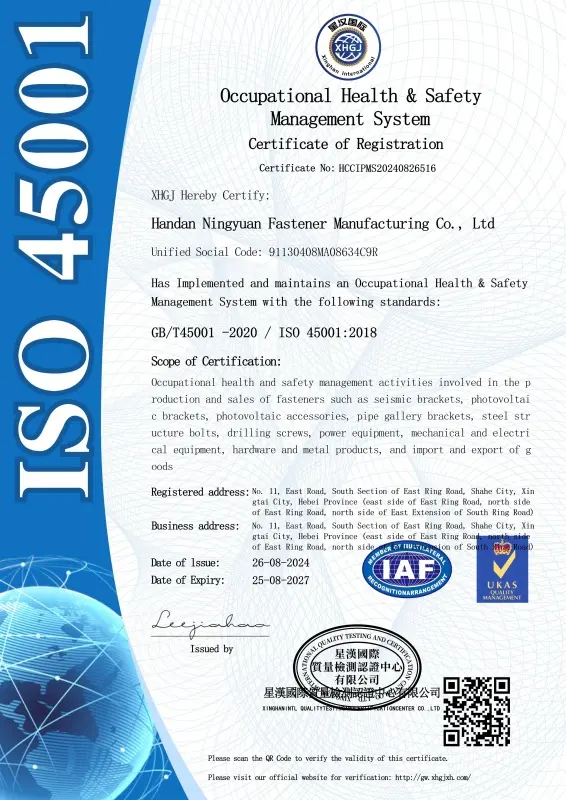
Every production run undergoes verification at our municipal research laboratory. We execute: tensile testing, hardness verification (Rockwell & Vickers), proof load tests, Charpy V-notch impact tests (verifying low-temperature ductility), magnetic particle inspection for micro-cracks, and salt spray testing to guarantee rust prevention for components exported to Kazakhstan.
Answers to technical, regulatory, and logistical questions regarding the supply of fasteners to Kazakhstan projects.
To prevent low-temperature brittleness, we select raw wire steel with low phosphorus and sulfur contents, such as 35CrMo or 42CrMo alloy steels for Grade 10.9/12.9 products. These parts undergo specialized tempering processes to maintain low-temperature impact toughness, verified via Charpy impact tests, ensuring they do not crack under load.
Yes. Our fasteners are certified under the Eurasian Conformity (EAC) framework, aligning with the technical regulations of the Customs Union (TR CU 007/2011 & TR CU 010/2011). We provide full chemical analysis certificates, mechanical test reports, and EN 10204 3.1 material traceability reports with every shipment.
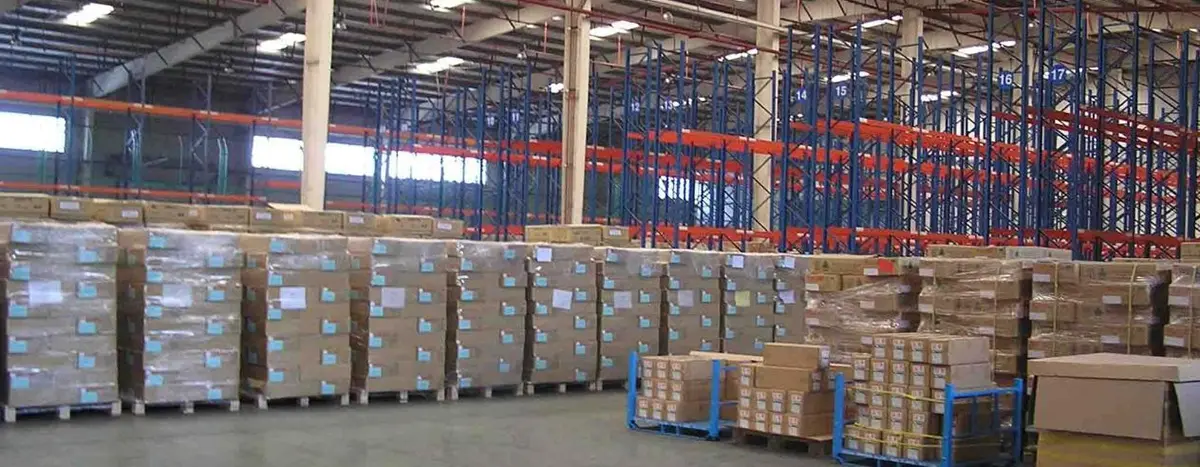
Our factory is located in Yongnian, Handan, adjacent to key national freight rail lines. Cargo is dispatched via rail containers through Khorgos or Alashankou land ports, arriving in major hubs like Almaty, Astana, or Shymkent in 12 to 18 days. This rail route is faster than ocean freight and more cost-effective than direct trucking.
Hot-Dip Galvanizing (HDG) provides a thick zinc layer (>80 microns) that offers sacrificial cathodic protection, suitable for heavy structural steel and underground piles. Dacromet coating is thinner (typically 5-15 microns), preventing thread interference while providing high salt spray resistance (up to 1200 hours) and eliminating the risk of hydrogen embrittlement.
Yes. Our in-house technical department and tooling center can fabricate fasteners to specific GOST specifications, standard DIN/ISO metrics, or custom customer blueprints. We design custom threadpitches, head configurations, and specialized washer assemblies.
EAC-compliant industrial anchoring and assembly products for construction, mining, and mechanical projects in Kazakhstan.
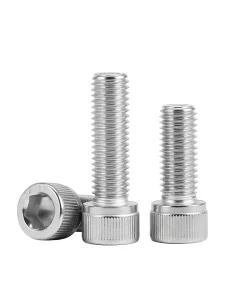
High-grade alloy steel internal drive bolts for heavy mining gear assembly.
Vibration absorption spacers for structural junctions in petrochemical piping systems.
Flat countersunk cross-drive machine bolts for flush-surface steel framing panels.
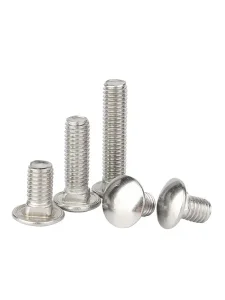
Round-head square-neck timber-to-metal structural connection bolts.
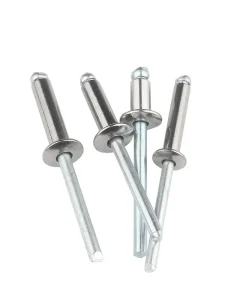
High-shear blind fasteners for thin sheet steel ventilation ducting networks.
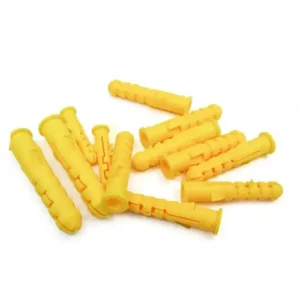
Concrete and masonry anchoring plugs for internal construction fit-out works.
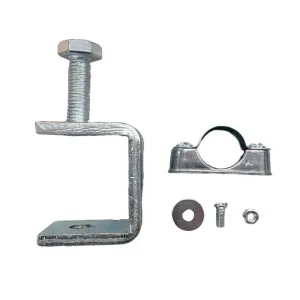
Seismically rated mechanical supports for HVAC and fire suppression piping in Almaty.
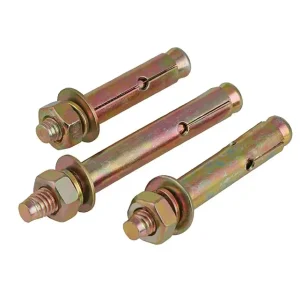
Heavy duty expansion anchors for anchoring structural column baseplates into concrete.
Real-world structural deployment of Ningyuan fastening systems across commercial and civil works.
Sourcing structural fasteners across borders requires validation. We offer engineering resources to support project design and verification phases: