 Ningyuan Fastener
Ningyuan Fastener
Ningyuan Fastener
Direct export configurations engineered to comply with Japanese Industrial Standards (JIS) and high-load structural setups.
An In-Depth Whitepaper on Micro-Structural Integrity and Tectonic Stability Regulations
The Industrial Landscape of Nagoya, Aichi Prefecture: Nagoya sits at the heart of Japan's Chubu region, the undisputed powerhouse of Japanese heavy manufacturing, automotive assembly, and aerospace engineering. With Nagoya Port handling millions of tons of industrial components annually, and major facilities for automotive giants and logistics conglomerates operating nearby, the physical infrastructure of this region demands structural fasteners of absolute, uncompromised quality. In a geologically active nation like Japan, which is constantly preparing for potential seismic shifts such as the anticipated Nankai Trough earthquake, fastening standards are not merely operational details—they are safety-critical constraints governed by the Building Standard Act of Japan (Ken-chiku Kijun-hō).
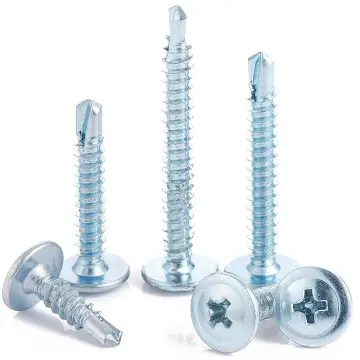
Mechanics of Self-Drilling Screws in Dynamic Stress Environments: Under seismic conditions, building structures and machinery systems undergo complex cyclic lateral loading. Standard fasteners can suffer from fatigue and catastrophic shear failure. Premium self-drilling screws must be heat-treated to achieve a dual-phase micro-structural profile: a hardened outer case to penetrate structural steel plates with high efficiency, and a ductile, tough inner core that can bend under shear and vibration forces without cracking. Nagoya-based design engineers prioritize parameters such as pull-out values, torsional resistance, and salt spray performance (to withstand coastal marine environments).
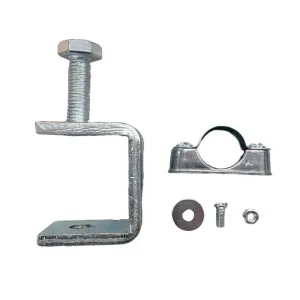
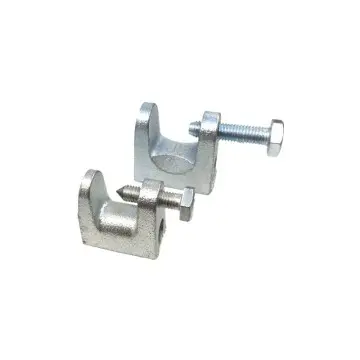
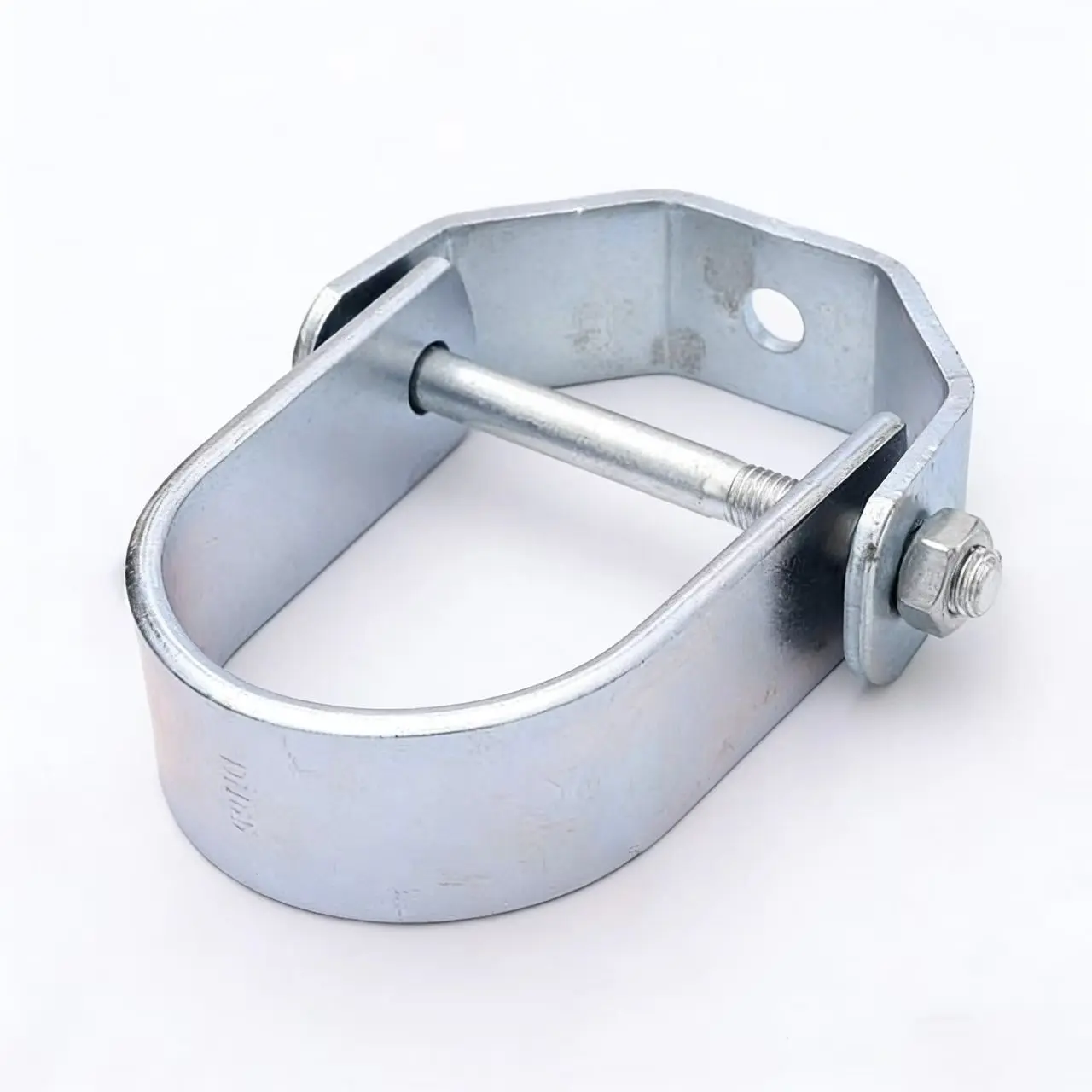
Global Framework for Seismic Support Accessories: Around the world, safety agencies are standardizing building codes for non-structural systems (MEP piping, cable trays, HVAC lines). The failure of these assemblies during a minor seismic tremor can lead to plant shutdowns, flooding, and substantial economic damage. Modern building standards, including International Building Code (IBC) and Japan's MLIT (Ministry of Land, Infrastructure, Transport and Tourism) certifications, emphasize integrated bracing systems. These systems utilize C-shaped profiles, heavy-duty beam clamps, and shock-resistant hangers that shift joint stress to secure concrete and steel substrates. Handan Ningyuan Fastener Co. addresses these requirements by producing high-ductility support systems verified under simulated cyclic testing conditions.
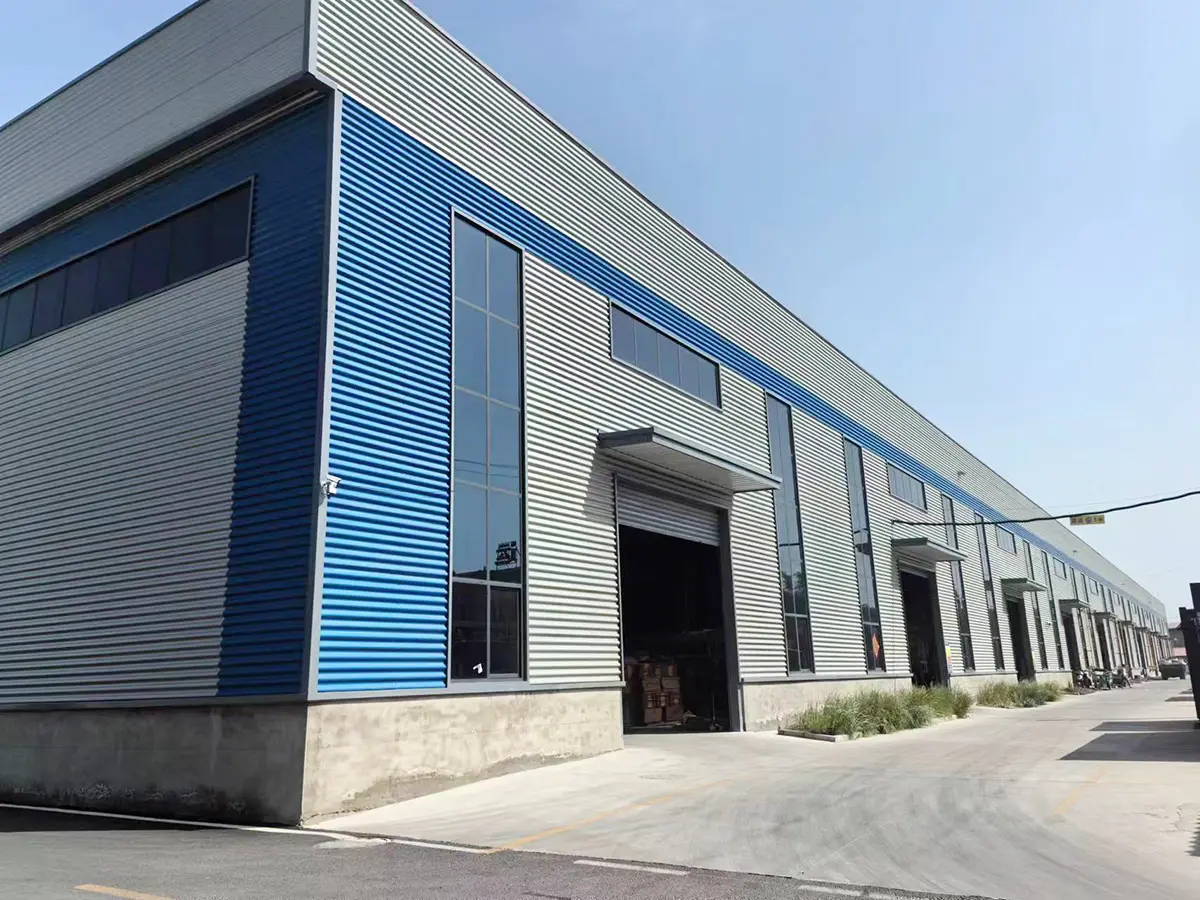
Handan Ningyuan Fastener Manufacturing Co., Ltd. — Trusted Industrial Supply Since 2005
Located in Yongnian, Handan, Hebei Province—known as the Fastener Capital of China—Handan Ningyuan Fastener Manufacturing Co., Ltd. (formerly Jin Langtao) has established a reputation for manufacturing excellence. Over more than 18 years, the company has grown into a modern facility integrating product R&D, advanced multi-station cold heading, high-capacity stamping, and automated quality testing.
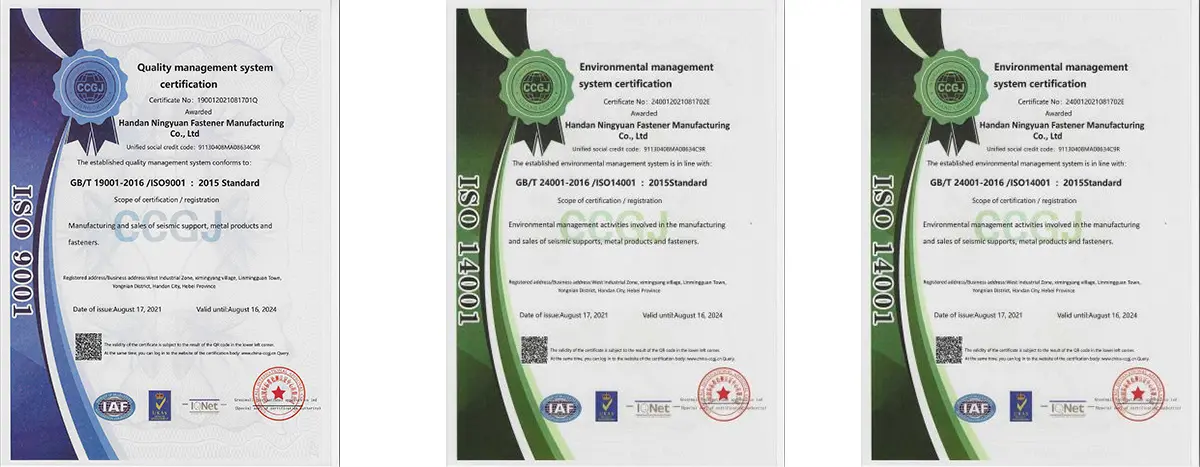
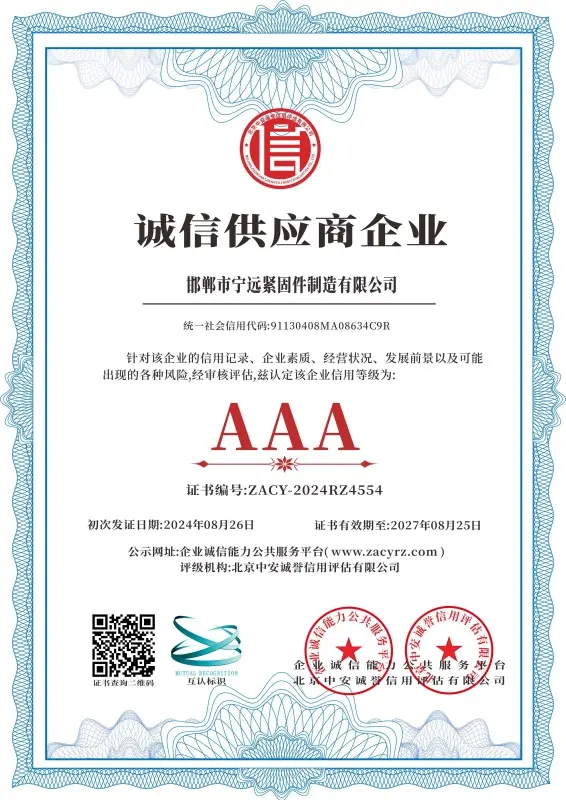
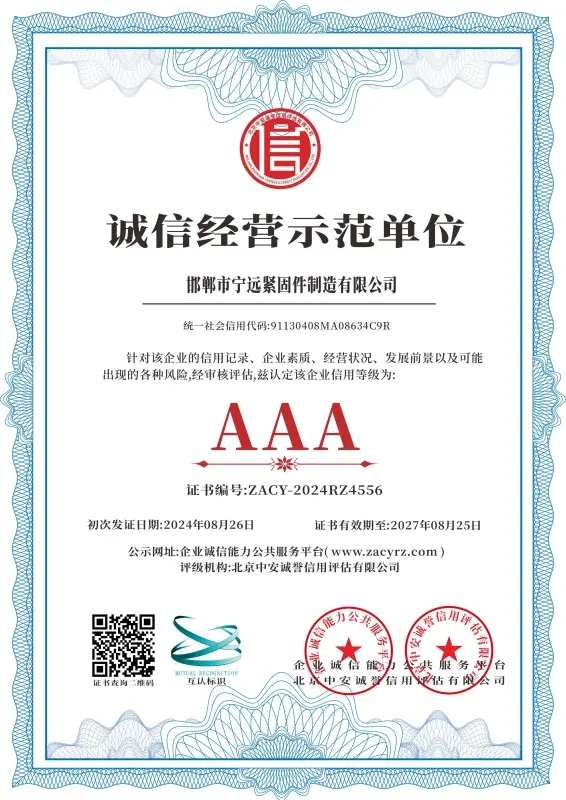
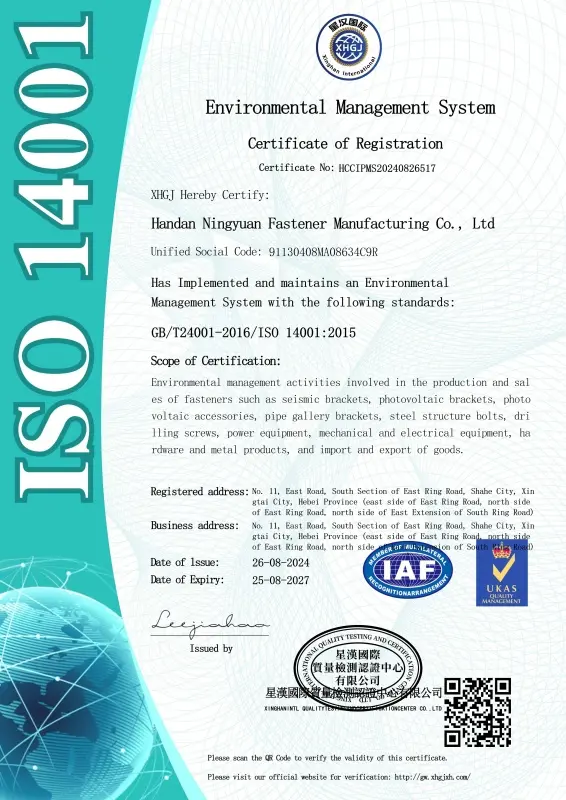
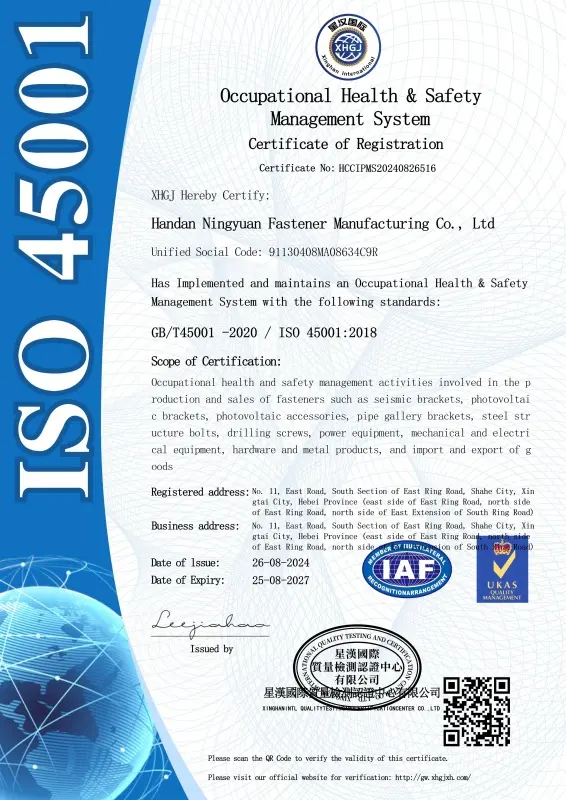
Core Quality Milestones & Testing Standards: To support global infrastructure projects, particularly in safety-driven regions like Nagoya, Japan, our manufacturing processes comply with strict certifications. We have successfully passed:
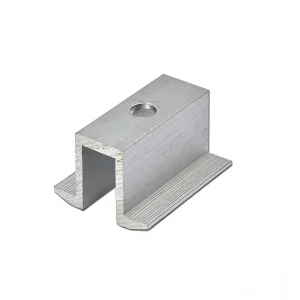
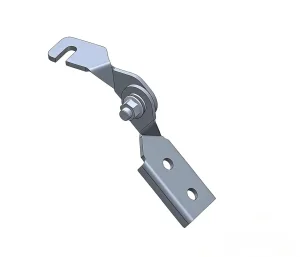
Our service spans standard structural parts, new energy photovoltaic bracket sets, structural seismic hangers, integrated pipe gallery supports, and structural drill-tail screws.
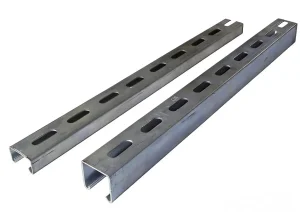
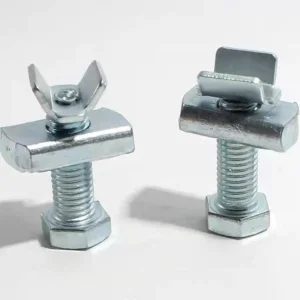
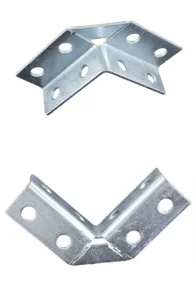
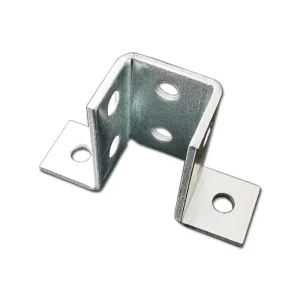
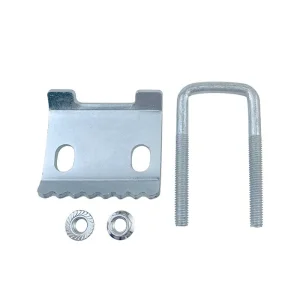
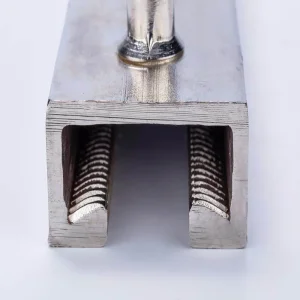
Designed for heavy structural loads, sub-assembly support channels, and vibration containment.
How Handan Yongnian's Fastener Cluster Delivers High Value and Quality to Japanese Buyers
The Yongnian Fastener Cluster Advantage: Handan Ningyuan's factory operates in the Yongnian fastener production cluster, which produces over 45% of the industrial fasteners manufactured in China. This regional concentration brings major efficiency advantages. Everything from chemical wire drawing and dynamic cold header tooling to heat-treatment furnace equipment and surface treatment operations is localized within a small geographic radius. This structural proximity eliminates transit delays, reduces material transport costs, and allows for close quality monitoring at every stage of the manufacturing process.
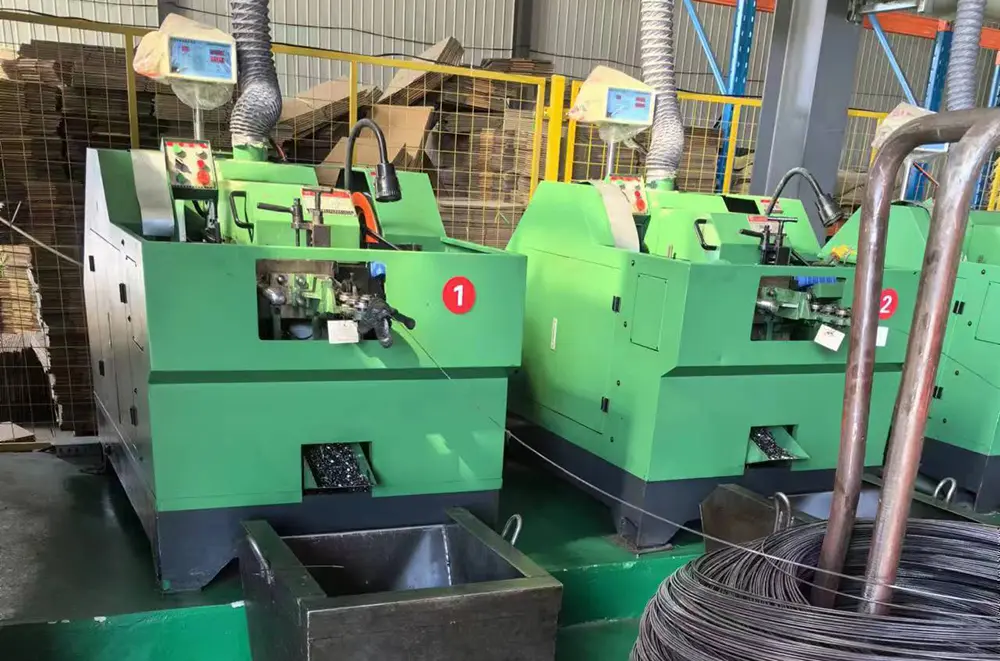
Vertical Quality Control & Scale Economies: By sourcing raw wire coils directly from reliable steel producers, we perform testing on all incoming materials. Cold-heading, thread-rolling, and plating are executed on automated lines under strict process protocols. Our operational scale allows us to maintain competitive production costs while offering key customer benefits:
20+ years of deep focus on thread inserts and fastener fabrication.
Tested under ISO9001 and automotive prohibited substance frameworks.
Direct assistance on thread pitches, sizing, and structural parameters.
Fast logistics options from China ports directly to Nagoya Port installations.
Providing structural reliability for critical industrial and civil installations
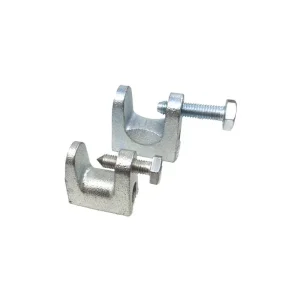
Heavy-duty channel steel bases and Tiger's clips provide seismic security for automated inventory racking systems against port-side soil liquefaction and tremors.
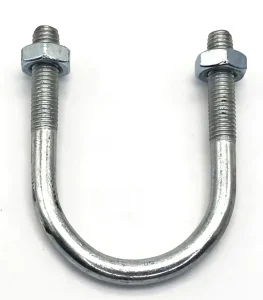
Heavy U-clamps, seismic channel runs, and vibration hangers secure cleanrooms, high-pressure pipes, and utility loops inside automotive assembly lines.
Highly galvanized C-section steel, press blocks, and EPDM-backed self-drilling screws maintain structural hold against coastal typhoons and high winds.

Pre-embedded Hafen slots and thread-forming anchorage screws are utilized in transport tunnels, keeping overhead wiring networks secure during vibration cycles.
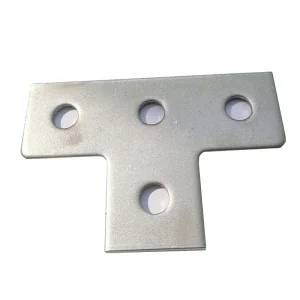
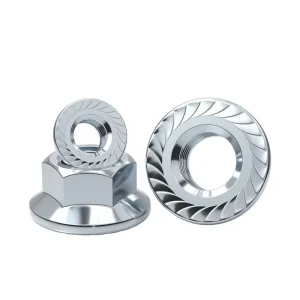
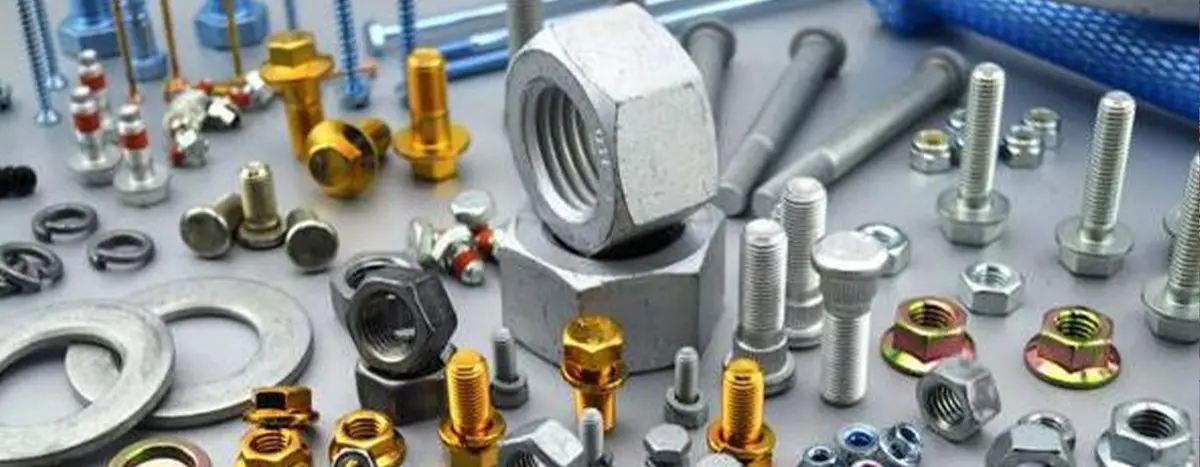
Additional engineering-grade fasteners and assemblies matching global supply chain requirements.
Key Steps to Ensure Standards Alignment, Traceability, and Smooth Logistics Transitions
1. Verifying Material Composition & Certificates: Industrial buyers in Japan prioritize material compliance. When sourcing self-drilling screws or seismic support channels, procurement teams should request Mill Test Certificates (MTC) showing the specific heat numbers, carbon content, and tensile-yield strength curves. For structural steel applications, raw materials like SWRCH22A or SWRCH35K are preferred to ensure the fasteners possess the required tensile strength.
2. Corrosion Protection Specifications: Nagoya's coastal geography means that humidity and airborne salts can accelerate oxidation. Fasteners used in these zones must feature robust surface protection. Standard electro-galvanizing (zinc plating) should meet a minimum thickness of 8–12 microns. For outdoor or marine applications, hot-dip galvanizing (HDG) or zinc-aluminum organic coatings (such as Dacromet) should be specified, with salt spray test (SST) performance ratings of 500 to 1,500 hours without red rust development.
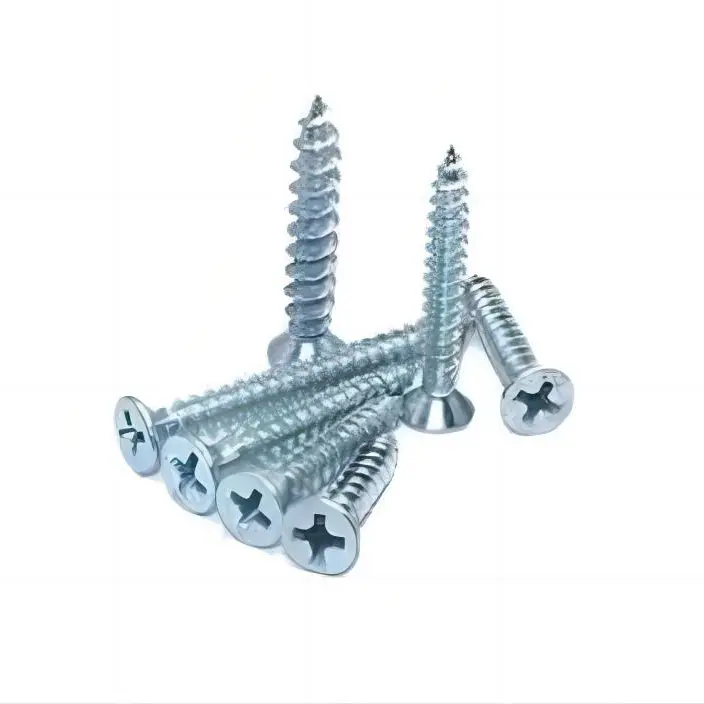
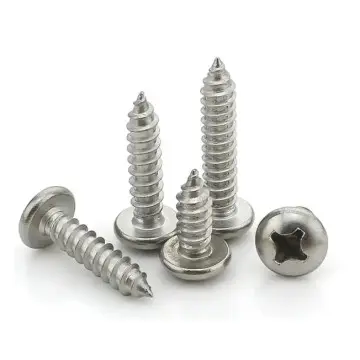
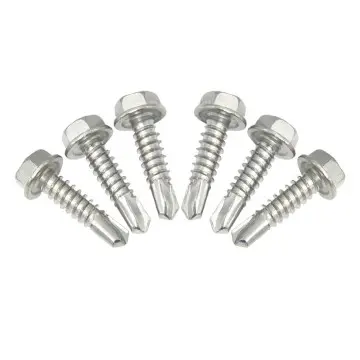
3. Ensuring Thread and Drilling Point Precision: The design of drilling points is critical for efficiency. High-quality self-drilling screws are designed to pierce, tap, and secure in a single motion, reducing labor time. For structural beams, screws with a #3 or #5 drilling point are required to pierce steel plates up to 12.5mm thick without pre-drilling. Ensuring these parameters match Japanese Industrial Standards (JIS B 1124) prevents installation issues and structural failures.
4. Confirming Supplier Quality Certifications: Sourcing from a manufacturer certified under ISO9001 and automotive/environmental standards is a key step in managing supply chain risk. Environmental compliance, such as EU RoHS and End of Life Vehicles (ELV) directives, is essential for components used in assemblies exported from Nagoya to international markets. These certifications ensure the chemical safety of the supply chain.
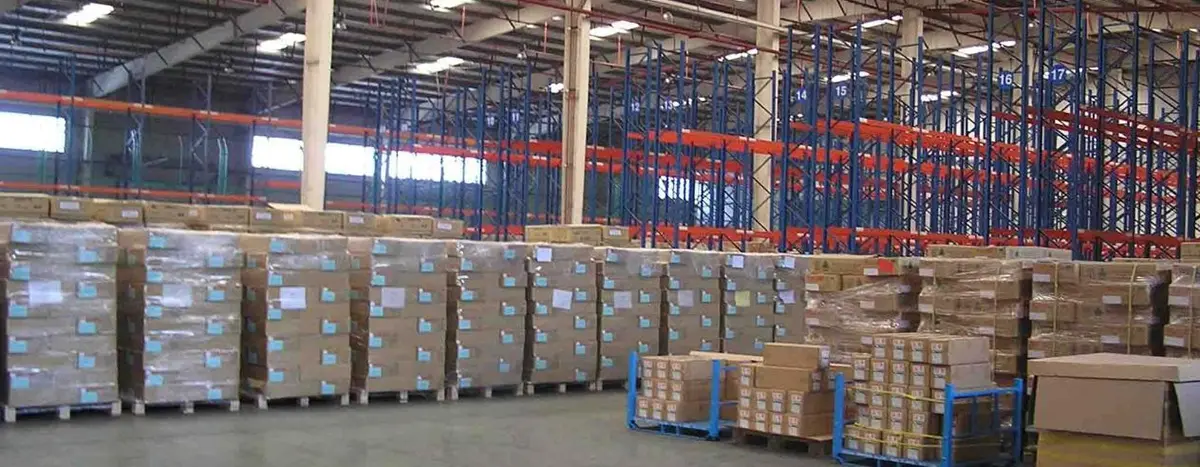
5. Managing Shipping and Transit Lead Times: Sourcing directly from our Yongnian facility provides shipping access to Nagoya Port. Our logistics processes include secure palletizing, seaworthy packing, and coordinated freight handling to ensure orders arrive intact and on schedule.
Addressing Common Quality, Compliance, and Fastener Performance Questions
Our self-drilling screws undergo a controlled carburization heat treatment. This process produces a hard outer shell (minimum case hardness of HV 560) for fast drilling through metal, while maintaining a tough, ductile core (core hardness of HV 320 to 400). This balance allows the fastener to flex slightly under the dynamic shear forces of seismic movement, reducing the risk of sudden snapping.
We work with accredited third-party laboratories (such as SGS) to test our products and surface coatings. We ensure compliance with the EU RoHS Directive, GB/T30512 automotive restricted substances list, and the 2000/53/EC ELV (End of Life Vehicles) framework. We provide formal test reports with our shipments to ensure smooth customs and compliance processing in Japan.
For coastal industrial environments like Nagoya, we offer several high-durability finishes: Hot-Dip Galvanization (HDG) to meet ISO 1461 specs, multi-layer Dacromet zinc-flake coatings, and Zinc-Nickel alloy electroplating. These options provide up to 1,500 hours of salt spray testing resistance, protecting the steel core against corrosion.
Yes. We provide free samples of our regular products for testing and evaluation. For large structural projects, our engineering team can provide calculations for load capacities and offer guidance on the installation of our seismic hangers, C-shaped channel steel, and mounting sets.
Verified manufacturing quality to meet international structural engineering specifications
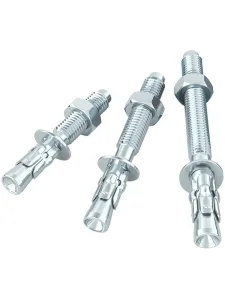
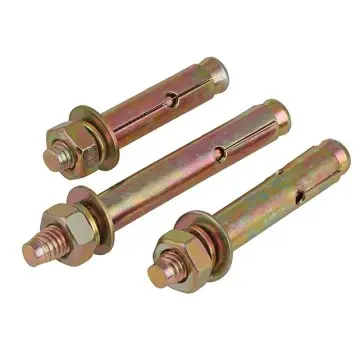
High-capacity manufacturing covering structural connections, mounting systems, and concrete anchors