 Ningyuan Fastener
Ningyuan Fastener
Ningyuan Fastener
Explore our high-performance industrial fasteners engineered for infrastructure, solar systems, and heavy industrial applications.
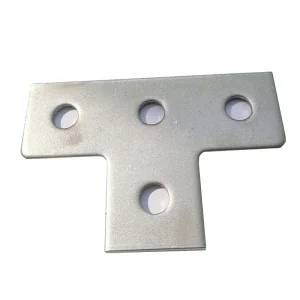
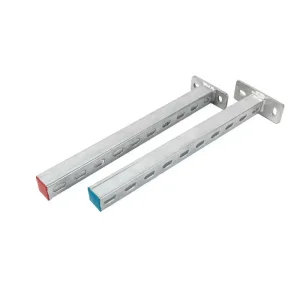
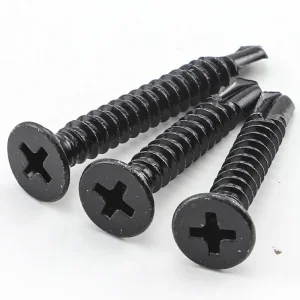
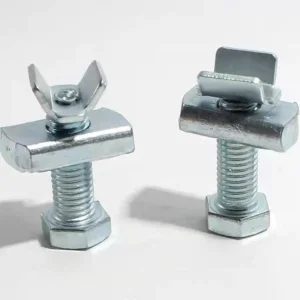
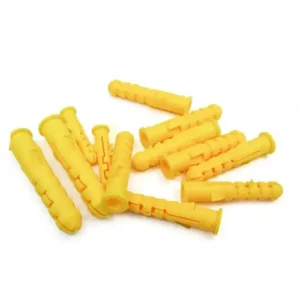
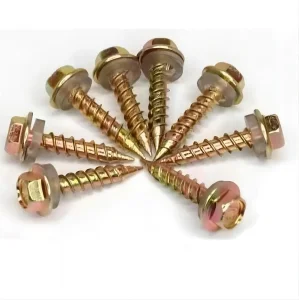
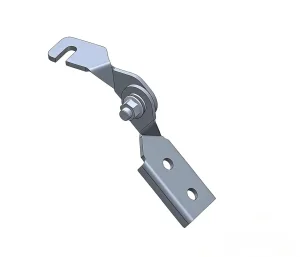
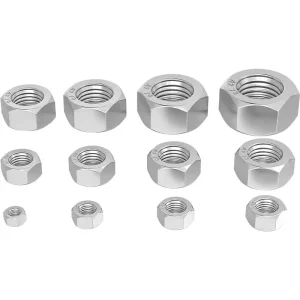
In mechanical engineering, fastening solutions do not merely hold parts together; they regulate structural load distribution, accommodate thermal expansion, and guard assemblies against vibrational failure. At the forefront of these solutions are flange nuts (specifically, DIN 6923, ISO 4161, and ASME B18.2.6M standards). A flange nut integrates a wide circular collar (the flange) at one end, which acts as an integrated, non-spinning washer. This design achieves two primary objectives: distributing the clamping force over a broader surface area to prevent damage to the parent material and eliminating the necessity of an independent washer, saving assembly time and reducing component complexity.
A critical consideration for structural engineers is selecting between serrated and non-serrated flange surfaces. Serrated flange nuts feature angled ridges on the bearing surface. During installation, these serrations bite into the joint material. When vibrational or dynamic loads try to rotate the nut in the loosening direction, the serrations create high frictional resistance, requiring significantly more breakaway torque. Conversely, non-serrated flange nuts are used where the surface finish of the clamped components must remain undamaged, relying instead on high clamp load and surface friction to maintain joint integrity.
The performance of a flange nut is heavily dependent on the torque-to-tension relationship. Because the flange has a larger surface area than a standard hex nut, the frictional component of the torque equation is significantly modified. For a given torque input, a flange nut must overcome higher frictional resistance at the bearing face, which requires precise control over coating materials and lubrication. In structural applications like solar PV mounting racks and mechanical seismic supports, utilizing hot-dip galvanized (HDG) or zinc-flake-coated flange nuts ensures predictable friction coefficients and prevents joint loosening or thread galling.
Founded in 2005 (formerly known as Jin Langtao), Handan Ningyuan Fastener Manufacturing Co., Ltd. is located in the Yongnian District of Handan City, Hebei Province—renowned worldwide as the "Fastener Capital" of China. Over nearly two decades of engineering and manufacturing advancement, the company has transformed into a modern, integrated enterprise specializing in high-end industrial fasteners and photovoltaic mounting system accessories.
Our operation is designed around research and development, state-of-the-art cold forging production, and global export capabilities. Our structural solutions are widely applied in new energy systems, electromechanical seismic bracing, pipe gallery integrated systems, and heavy-duty steel structure construction.
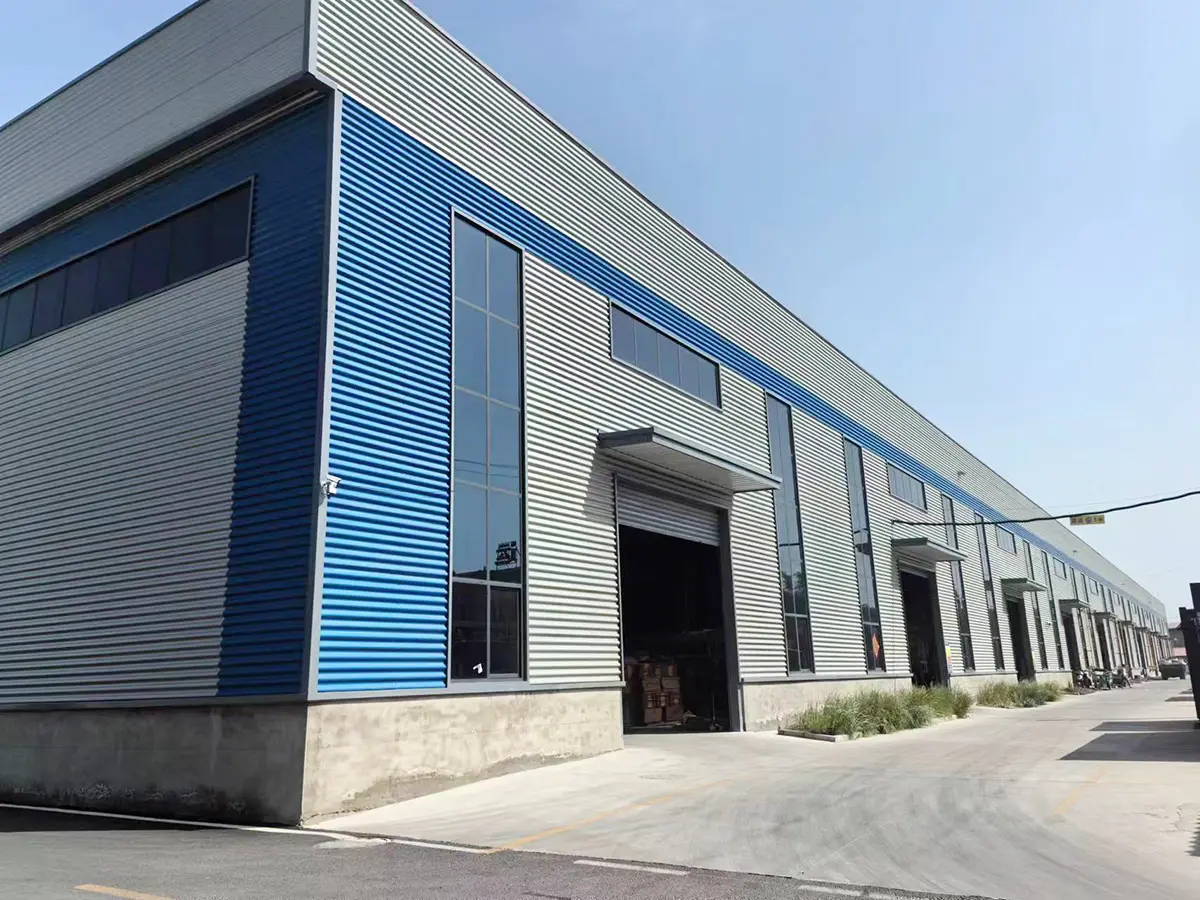
Our production facility incorporates modern manufacturing standards to ensure stability and precision. High-speed, multi-station cold heading machinery handles the shaping process of our flange nuts, followed by automated thread tapping, heat treatment, and surface plating. This inline system guarantees dimensional stability and tight tolerances across large batches.
Located within the Yongnian industrial cluster, Ningyuan utilizes a mature supply chain of steel wire rod, chemical pre-treatments, and logistics centers. This ecosystem minimizes logistics delays and optimizes production costs. Backed by rigorous quality control protocols and a high-throughput capacity, we support high-volume procurement programs for global distributors and industrial projects.
Comprehensive technical specifications, dimensions, and material choices designed for high-stress applications.
How Ningyuan fasteners are integrated into global structural and infrastructure projects.
Our hot-dip galvanized flange nuts, channel nuts, and hex bolts anchor mounting systems in utility-scale solar farms, ensuring resistance to high wind loads and outdoor exposure.
Specially manufactured for building mechanical systems. Our components support seismic arms and earthquake-resistant hangers, dampening structural vibrations.
Providing high-load connection reliability in subways, drainage, and municipal conduit systems that require long-term environmental resistance and low-maintenance fasteners.
Our products undergo real-world verification and rigorous materials testing across diverse industrial environments.
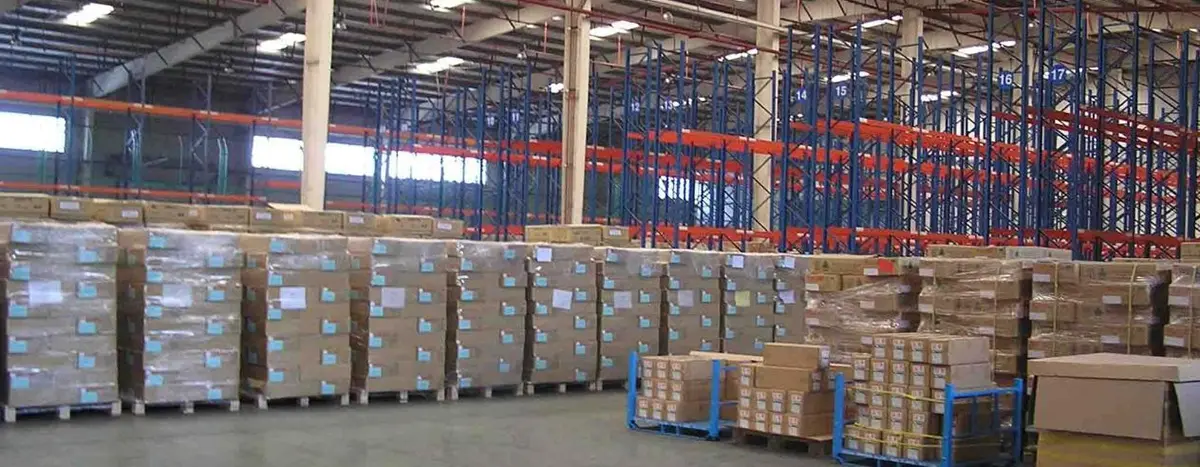
Direct production facilities allow us to maintain control over product quality and delivery timelines.
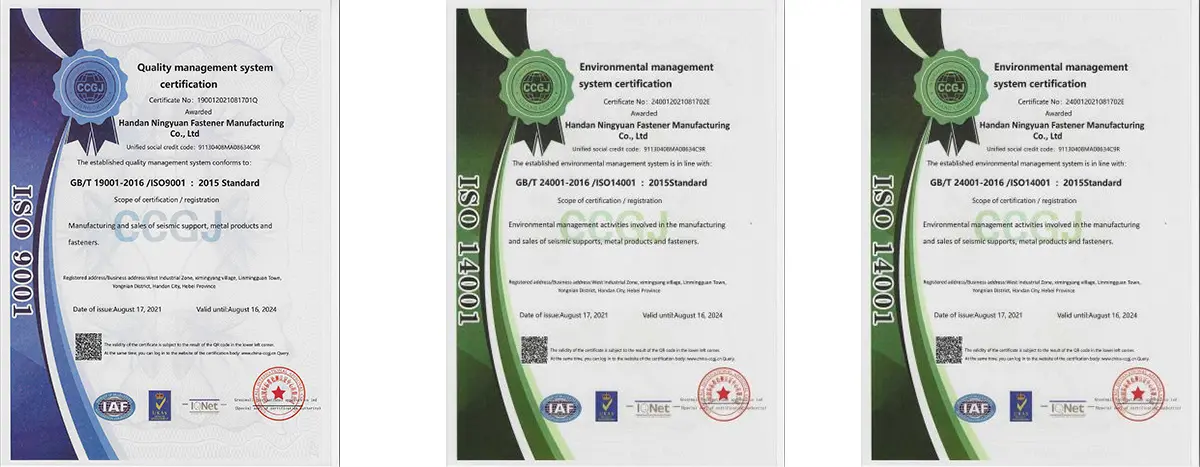
Dimensional checks, hardness testing, and salt-spray analysis verify compliance with global standards.
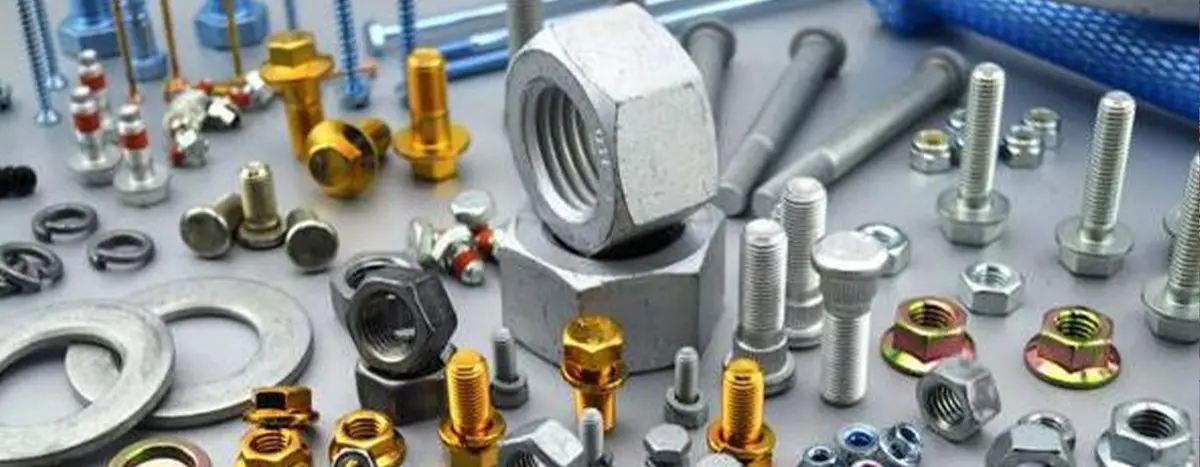
Designed to support wind energy, mechanical engineering, and civil infrastructure projects.

Ongoing updates to machinery and production lines expand our volume capacity and structural capabilities.
As industrial demands transition toward automation, carbon neutrality, and higher safety margins, structural fasteners must evolve in lockstep. The R&D division at Handan Ningyuan Fastener Manufacturing is currently focusing on three key technology trajectories:
In response to international directives like RoHS and ELV, we are expanding our chromium-free zinc-flake and mechanical plating processes. These finishes deliver up to 1,500 hours of neutral salt spray testing (NSS) without causing hydrogen embrittlement. This makes them suitable for high-strength steel fasteners (Class 10.9 and 12.9) used in offshore energy systems.
Smart factory environments increasingly rely on digitized component histories. Ningyuan is exploring laser-marked QR codes and digital tracking options for high-stress bolts and flange nuts. This integration provides traceability for batch records, raw material heat codes, and tightening torque parameters directly to maintenance databases.
Automotive and aerospace applications prioritize reducing weight without sacrificing tensile strength. We are refining cold-forming techniques for specialized aluminum alloys and high-purity stainless steels, providing light joints with strong resistance to shear and tension failure.
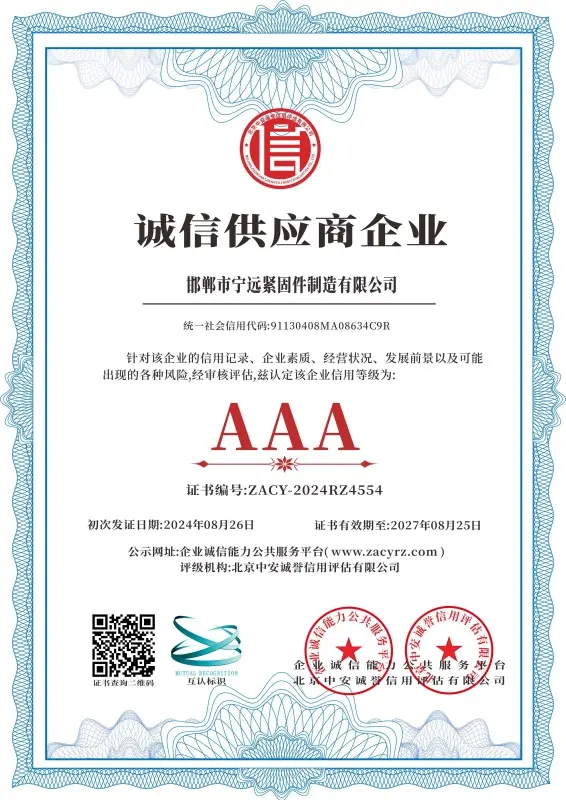
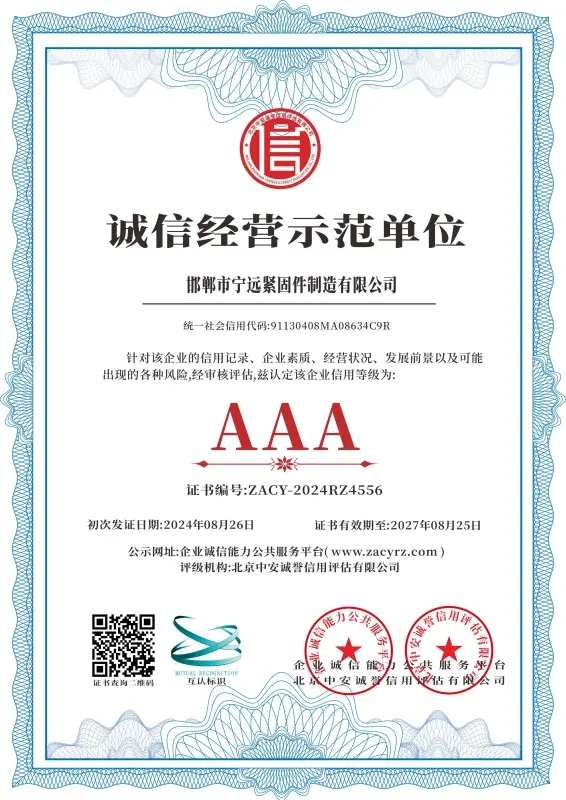
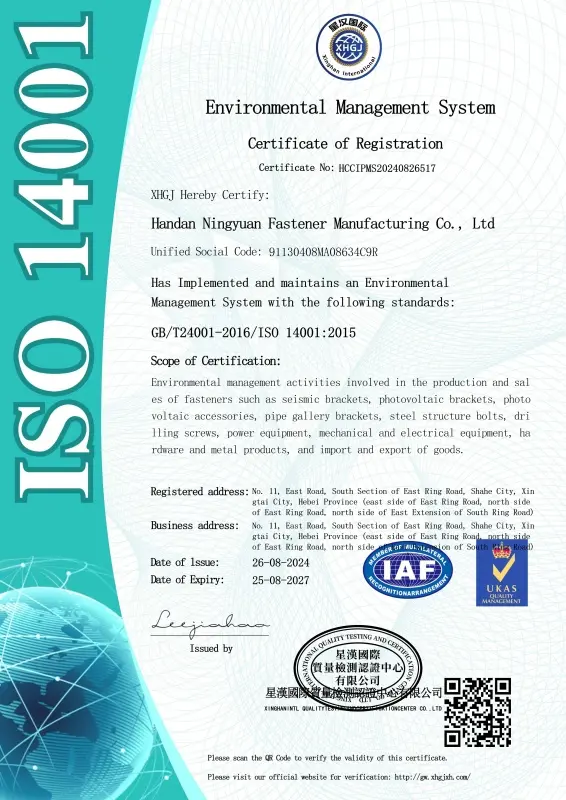
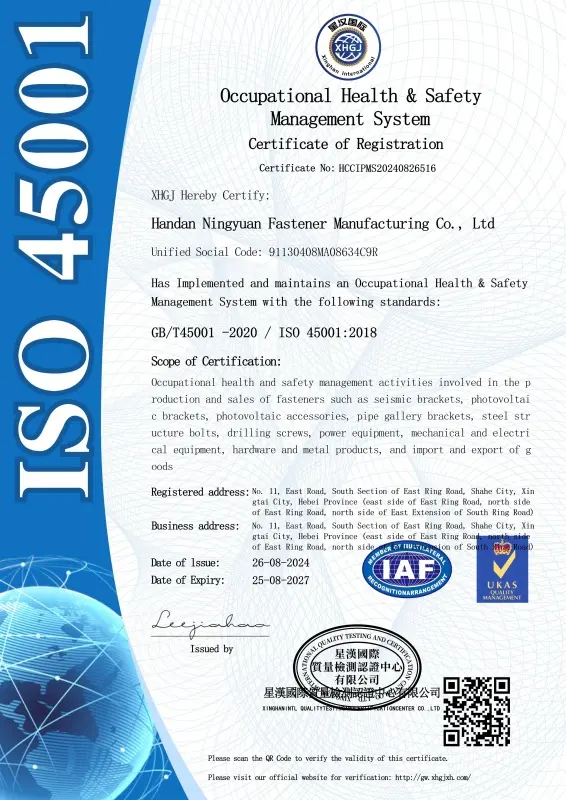
Ningyuan operates under rigorous quality control standards, holding key certifications for demanding global applications.
ISO9001 System
RoHS Directive Compliant
Military & Heavy Spec
GB/T30512 Automotive
Purchasing components from China involves navigating logistics, customs clearance, and quality verification. Ningyuan simplifies this process by providing full compliance documentation, including Mill Test Reports (MTR) according to EN 10204 3.1, chemical analysis certificates, and mechanical test results.
Our proximity to Tianjin Port and major logistics networks enables flexible shipping options, including FOB, CIF, and DDP. Additionally, our engineering department provides pre-sales support, assisting in the selection of materials, thread styles, and platings based on your specific application requirements. We also provide free samples of standard products for evaluation and testing.
Common questions and technical details regarding procurement, installation, and materials engineering.
A flange nut distributes clamp loads across a broader surface area, reducing contact pressure on the joint material. This configuration prevents deformation or crushing of softer substrates. It also simplifies assembly by combining the nut and washer into a single component, reducing inventory overhead and installation time.
Use serrated flange nuts for applications subject to high vibration and dynamic stress, such as solar trackers, automotive chassis, and vibrating machinery, where the serrations grip the surface to resist loosening. Specify non-serrated flange nuts when securing painted, coated, or soft surfaces that must remain free of scratches and surface damage.
Hot-dip galvanizing deposits a relatively thick layer of zinc (typically 40–60 microns). To accommodate this, the internal threads of the flange nuts are tapped oversize before or after coating, in accordance with standards like ISO 965. This compensation allows the nut to spin freely onto standard bolts without compromising the integrity of the galvanized layer.
Our quality control lab performs chemical composition checks on incoming wire rods, hardness testing (Rockwell/Vickers), tensile strength tests, thread gauge inspections, salt-spray testing for surface finishes, and dimensional confirmation using vision inspection systems.
Explore our wider range of hardware solutions, from specialized masonry anchors to high-durability assembly components.
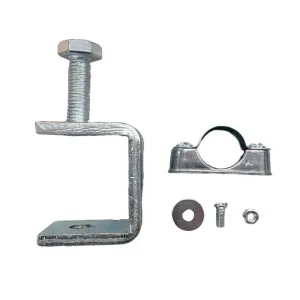
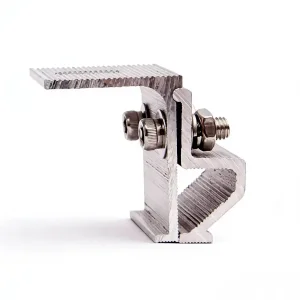
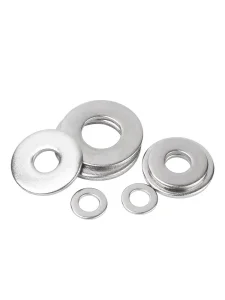
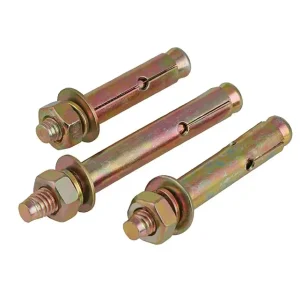
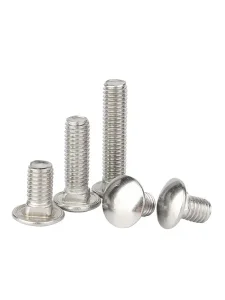
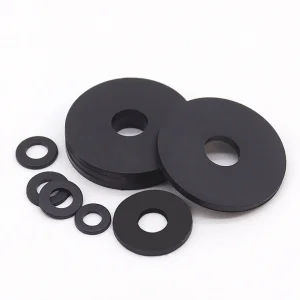
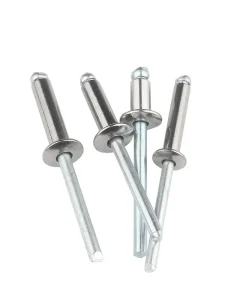
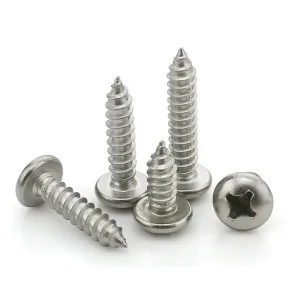
In addition to our primary flange nuts, Ningyuan designs, manufactures, and supplies a wide variety of industrial fasteners. This allows us to serve as a single-source partner for comprehensive structural projects. Our portfolio includes:
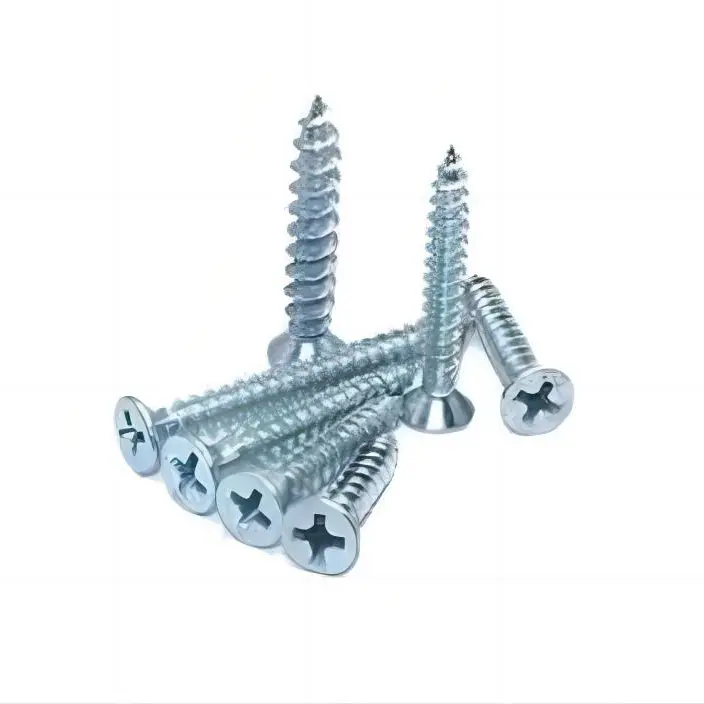
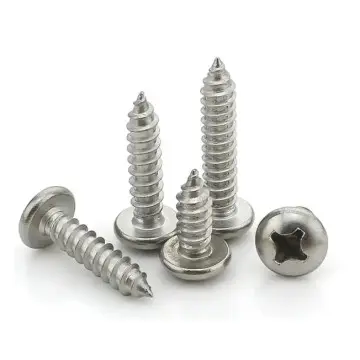
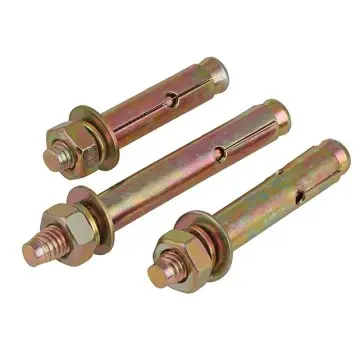
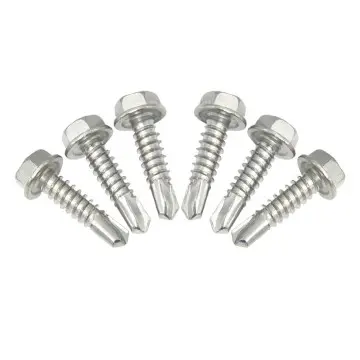
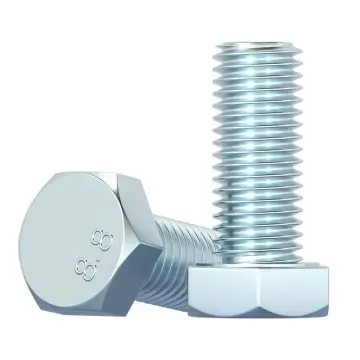
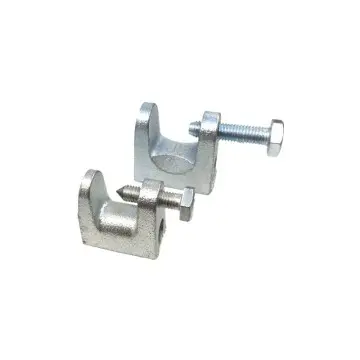
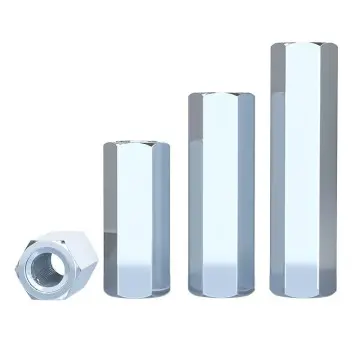
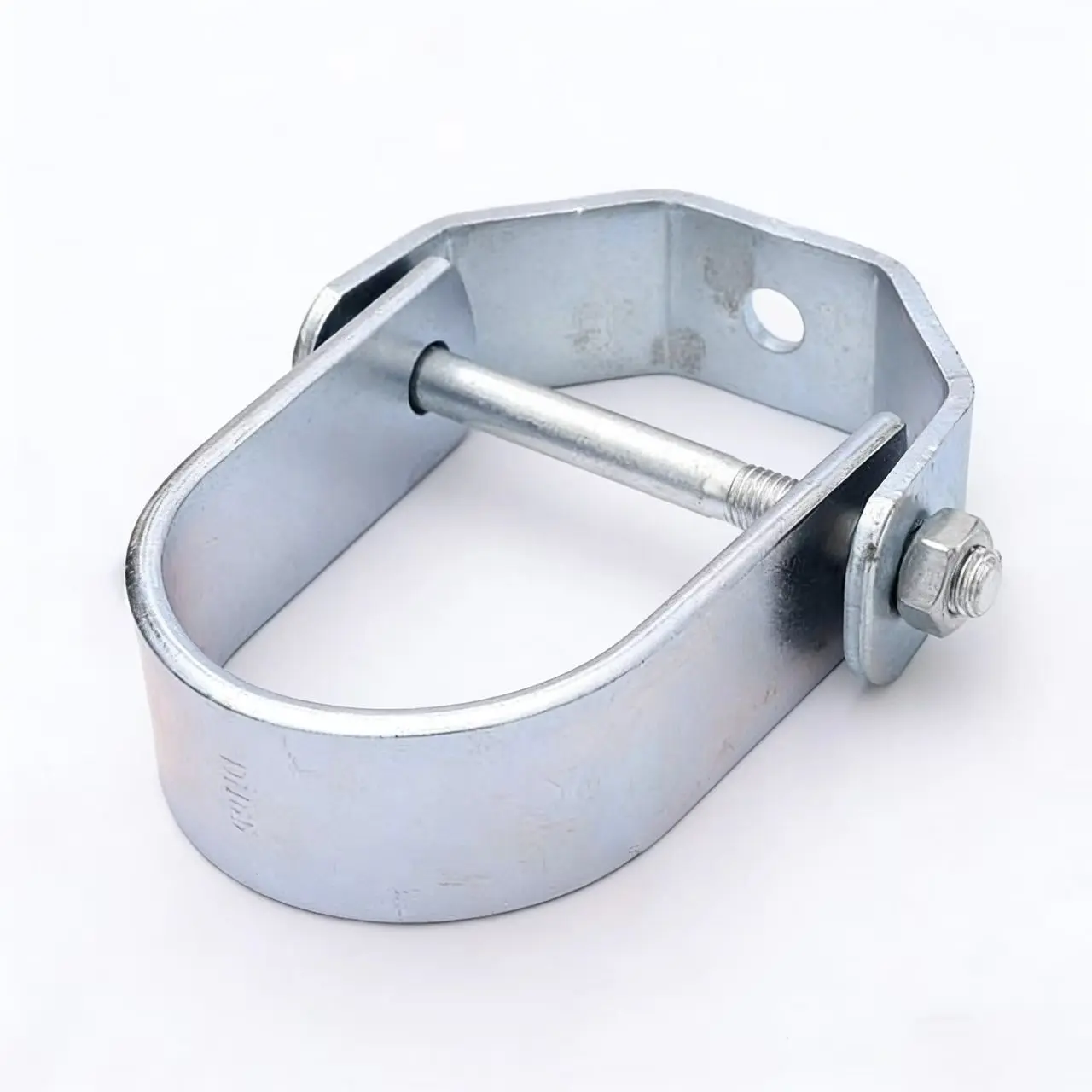
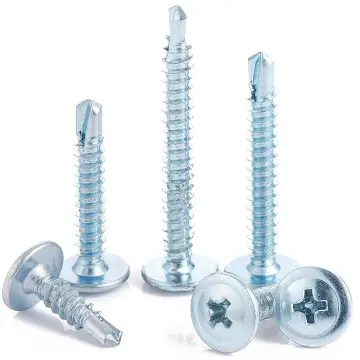
Photovoltaic brackets, C-shaped steel channels, U-shaped steel tracks, H-rails, sink systems, square pipes, press blocks, photovoltaic piles, hot-dip galvanized bolts, hot-dip galvanized nuts, hot-dip galvanized hex bolts, hot-dip galvanized triangles, base plates, pressure plates, embedded plates, U-shaped wires, seismic supports, pipe gallery supports, steel structure bolts, embedded anchors, self-drilling screws, and drywall screws.
This wide selection ensures that whether you are constructing a utility-scale solar project, building electromechanical support networks, or erecting commercial steel frames, you can source matching components with identical plating specifications and strength profiles from a single supplier.
Whether you require high-tensile structural flange nuts, customized plating specifications, or detailed technical submittals, our engineering team is here to assist. Contact us to receive standard product samples, technical installation guidance, and bulk pricing structures.