 Ningyuan Fastener
Ningyuan Fastener
Ningyuan Fastener
Premium architectural and industrial anchoring solutions engineered for high load-bearing capacities and seismic stability.
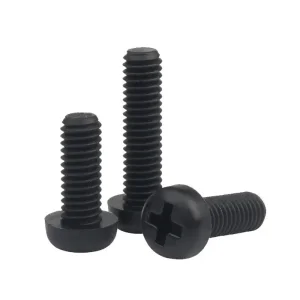
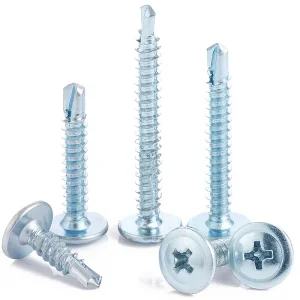
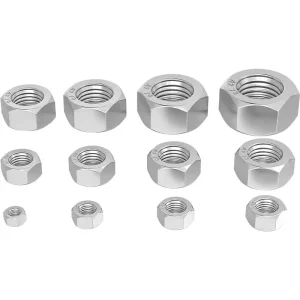
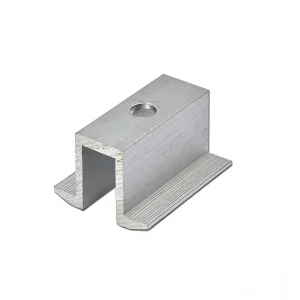
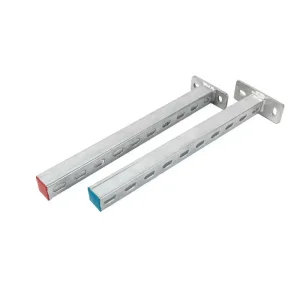
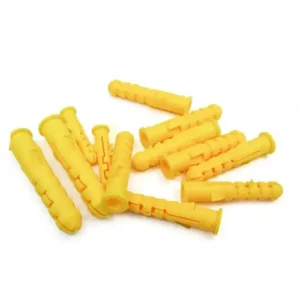
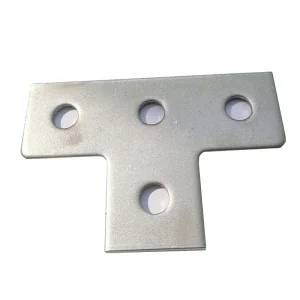
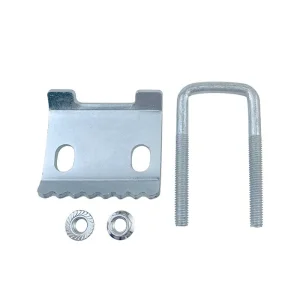
In modern structural engineering, fire safety is no longer considered in isolation; rather, it is integrated into a unified structural framework that accounts for simultaneous mechanical, seismic, and thermal stresses. A fire fighting nail—commonly referred to in international procurement codes as a high-strength concrete gas pin, drive pin, or thermal-resistant anchor—plays a vital role in securing critical pipeline networks, electrical conduits, mechanical fire suppression lines (sprinklers), and seismic bracing. When a facility experiences an outbreak of fire, the degradation of steel strength at temperatures exceeding 500°C can trigger structural failures in support channels. Fasteners used in these contexts must sustain localized loads under thermal stress, preventing the collapse of active containment systems.
China's manufacturing hub in Yongnian, Handan, has evolved from producing low-spec generic hardware to manufacturing high-performance anchoring systems. Utilizing advanced metallurgy, cold heading equipment, and strict surface treatment processes, manufacturers like Handan Ningyuan Fastener Manufacturing Co., Ltd. are supporting global construction projects that demand compliance with international standards such as ICC-ES, ETA (European Technical Assessment), and fire-test regulations (such as DIN 4102-2 or EN 1363-1).
Formally known as Jin Langtao | Empowering Global Infrastructures Since 2005
Established in 2005, Handan Ningyuan Fastener Manufacturing Co., Ltd. (formerly Jin Langtao) is located in Handan Yongnian, the fastener capital of China. For nearly two decades, the company has operated under the philosophy that "development is the direction and hard work is the truth." Beginning as a focused producer of high-end fasteners and specialized photovoltaic accessories, the company has expanded through 18 years of continuous research, development, and system optimization to become a modern, integrated manufacturing enterprise.
With the formal corporate restructuring in 2016, our facility has scaled to meet international demands, serving key industrial markets across Europe, the Middle East, Southeast Asia, and the Americas. The plant integrates custom product design, prototyping, automated metallurgical processing, cold header forming, heat treating, and structural verification under one roof. Today, our research and development department works alongside our manufacturing and sales teams to supply engineered solutions for photovoltaic new energy systems, building electromechanical seismic systems, integrated pipe galleries, steel structure buildings, and high-strength dry wall applications.
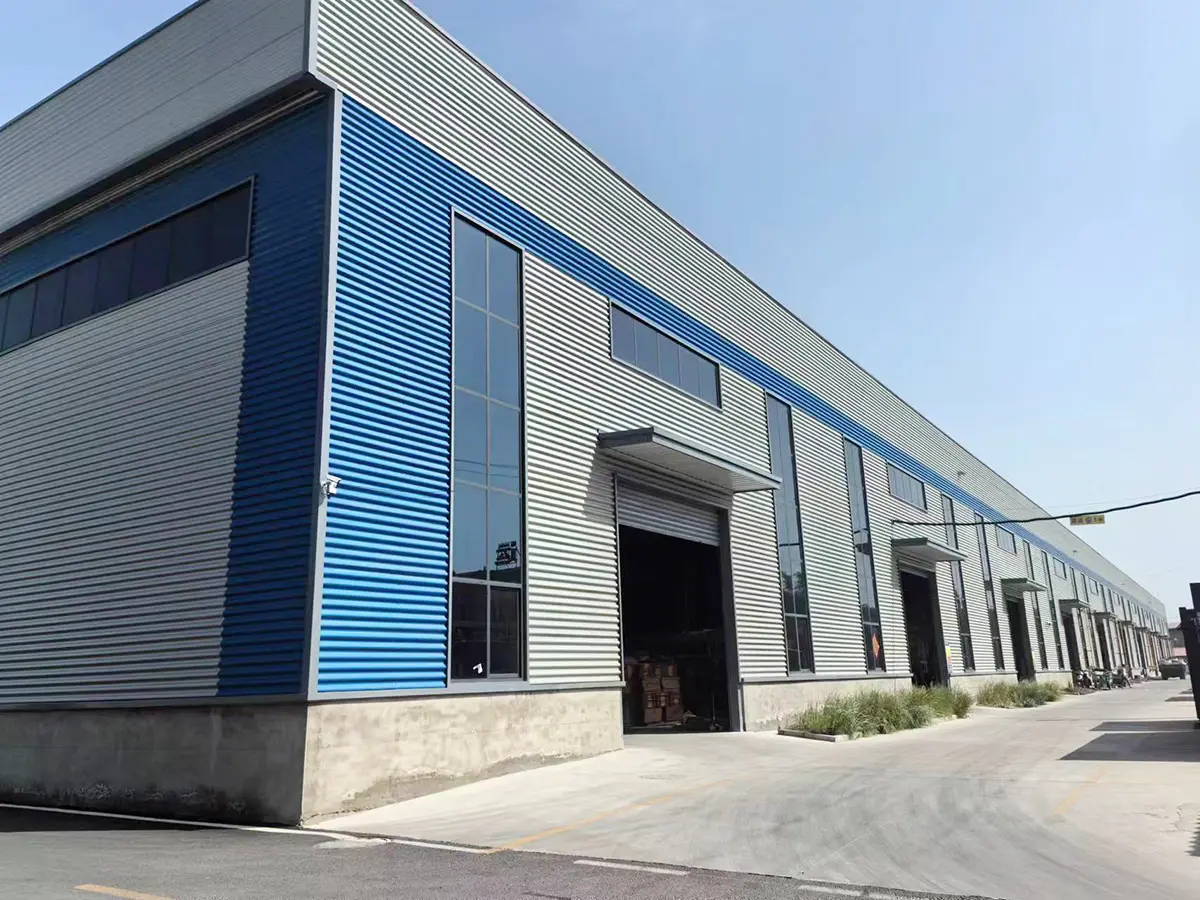
Ningyuan has built a specialized research and development framework to address the complex requirements of modern projects. We focus on thread insert manufacturing, producing over 60 million components annually. Our R&D team holds 25+ national patents and operates in collaboration with municipal fastener research centers to verify physical load performance, corrosion resistance, and high-temperature limitations.
Our manufacturing capacity features a suite of over 50 automated production machines, including multi-station cold headers, high-speed thread rollers, and computer-controlled heat treatment furnaces. This setup ensures our production remains consistent, meeting dimensional tolerances as tight as ISO Grade 6g/6H. We provide our global partners with:
Analyzing the shifts in structural standards, metallurgy, and material safety demands in international markets.
Modern commercial structures must use anchors that hold their structural integrity under fire conditions and resist seismic movement. Multi-rated anchoring systems undergo test programs that combine cyclic mechanical loads with simulated fire temperatures.
With the enforcement of RoHS and the European End-of-Life Vehicles (ELV) directives, industrial fasteners must move away from hexavalent chromium (Cr6+) passivation. Zinc flake and trivalent passivation systems provide reliable corrosion resistance without environmental issues.
Traditional concrete anchoring requires drilling, cleaning, and expansion plug installation, which can slow down large-scale builds. High-strength drive pins (fire fighting nails) are shot directly into structural steel or concrete, reducing installation times.
How our structural components integrate into energy, commercial building, utility, and civil infrastructure projects.
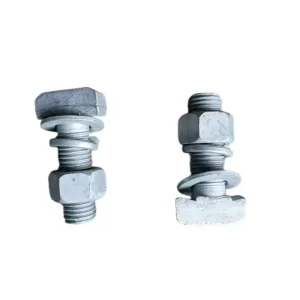
Utility-scale solar arrays face wind loads, dynamic snow loads, and corrosive outdoor conditions. Handan Ningyuan manufactures C-channels, U-channels, H-rails, pressure blocks, and heavy-duty hot-dip galvanized mounting bolts.
By applying thick hot-dip galvanized coatings (exceeding 85 microns, conforming to ASTM A153), our structural connections achieve a service life of over 25 years in harsh environmental conditions (C3 to C5 corrosive zones).
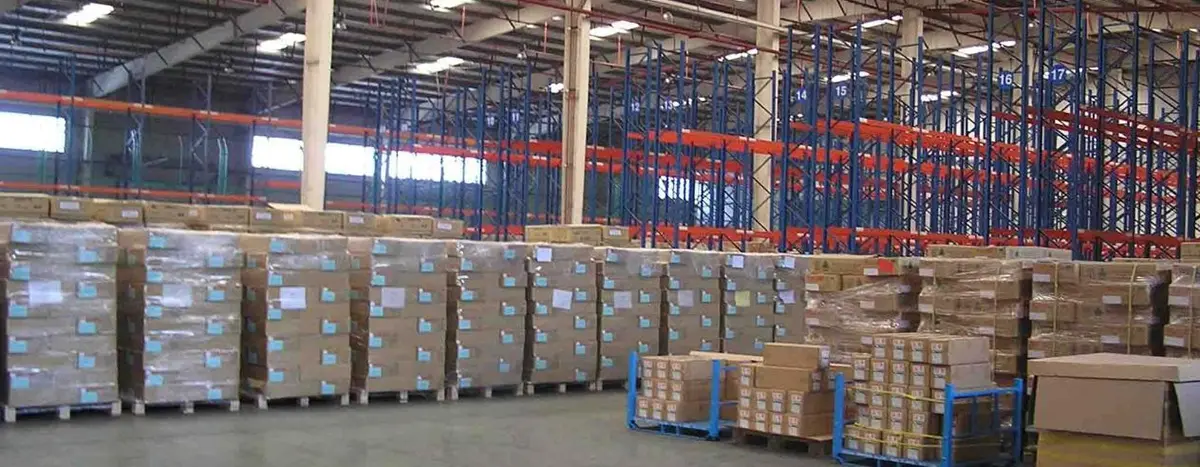
During seismic events, electromechanical systems (ventilation ducts, fire main piping, electrical cable ladders) can swing and fail, potentially causing secondary structural hazards.
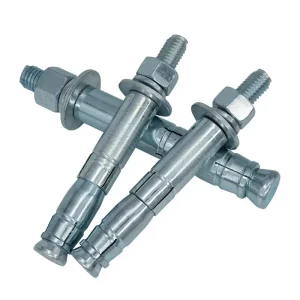
Our seismic support arms, earthquake-resistant hangers, and connection plates work together to stabilize overhead utilities. Using high-yield carbon steel and specialized wedge anchors, these assemblies limit lateral movement to protect building occupants.
Underground utility tunnels consolidate water, gas, power, and communication infrastructure. These environments have high ambient humidity and require structural solutions that install quickly in tight spaces.
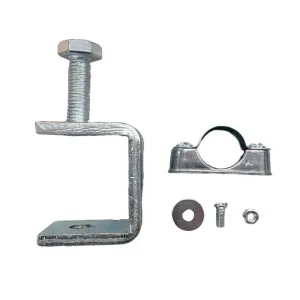
Our Hafen groove T-bolts, steel beam clamps, and tiger clips allow for modular adjustments without requiring on-site welding. This maintains the protective coating of the structures and reduces installation times.
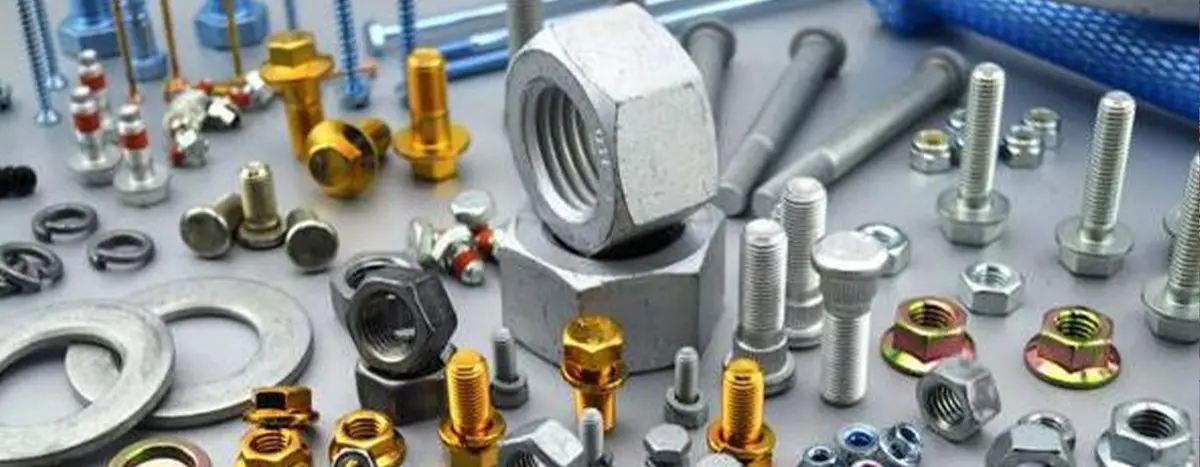
Large-span steel buildings rely on high-strength connection bolts to carry static and dynamic loads. Our structural bolts are produced to meet Class 8.8, 10.9, and 12.9 requirements.
These fasteners undergo magnetic particle testing to check for cracks, along with testing to verify they meet strict yield strength, tensile limits, and hardness specifications.

The limits of traditional mechanical anchoring systems drive our research into new materials. Handan Ningyuan works with steel research laboratories to develop solutions that address hydrogen embrittlement, high-temperature degradation, and electrochemical corrosion.
During acid pickling and electroplating, atomic hydrogen can enter high-strength steel (typically Class 10.9 and above). This can lead to sudden failures under static tension. Ningyuan addresses this by using precise acid cleaning times, controlled induction heat treating, and a baking process (200°C for 4 hours) immediately after plating to drive out hydrogen.
To replace older hexavalent chromium coatings, we use a zinc-nickel (12-15% Ni) electroplating method. This coating stands up well to high thermal stress (retaining corrosion resistance up to 300°C) and shows no red rust during salt spray tests for up to 1000 hours.
Our fire fighting nails are made from carbon steel with added boron to improve hardenability. Using Austrian AICHELIN continuous heat treatment furnaces, we achieve a surface hardness of 52-56 HRC and a ductile core. This balance prevents the pin from bending or breaking when driven into reinforced concrete.
Original structural items and fasteners developed for construction and energy projects.
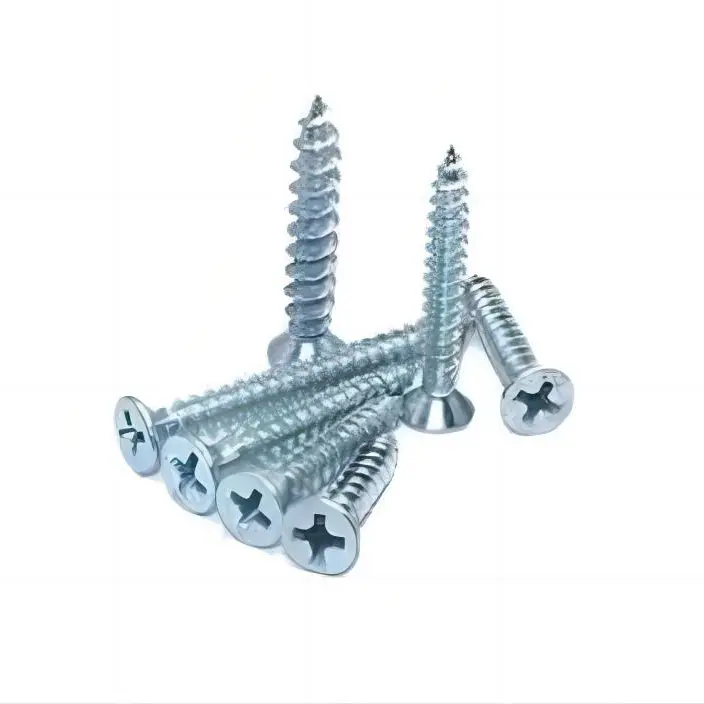
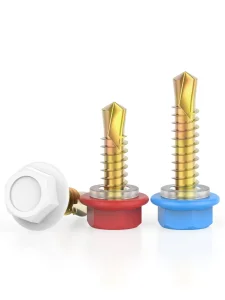
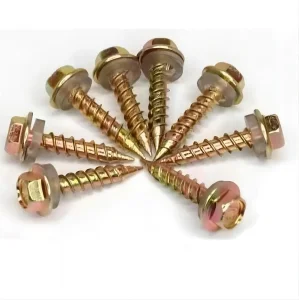
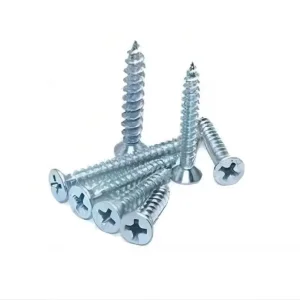
Optimized thread geometry for rapid sheet metal piercing and strong clamping force.
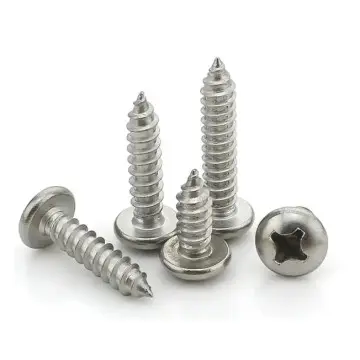
Tighter drive recess tolerances prevent slippage during installation.
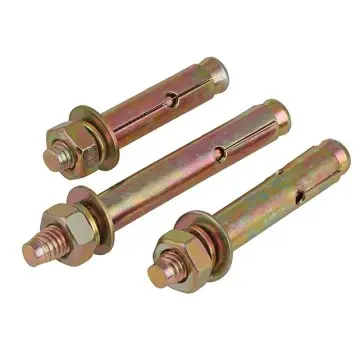
Engineered expansion clip ensures uniform expansion and reliable grip in cracked concrete.
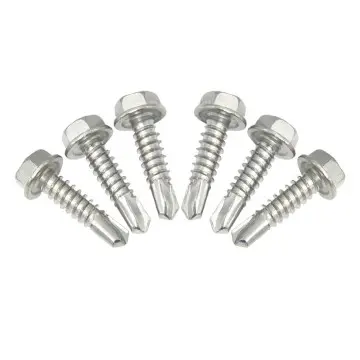
Durable tip profile drills quickly through structural steel plates.
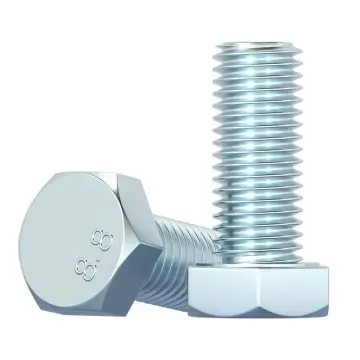
Heavy hex head design distributes load across large surface areas.
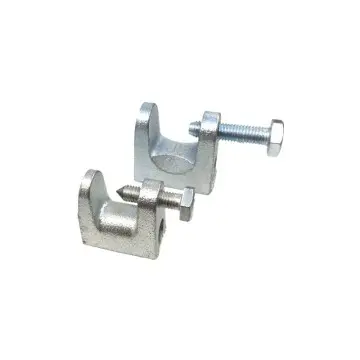
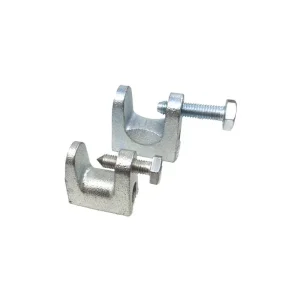
Heavy-duty cast steel construction clamps to structural profiles without welding.
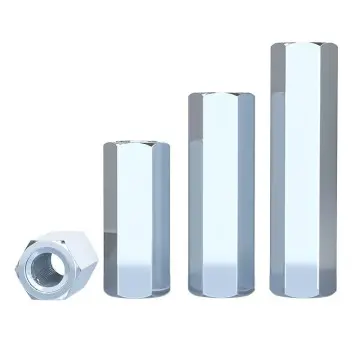
Extended internal threads connect threaded rods in suspended systems.
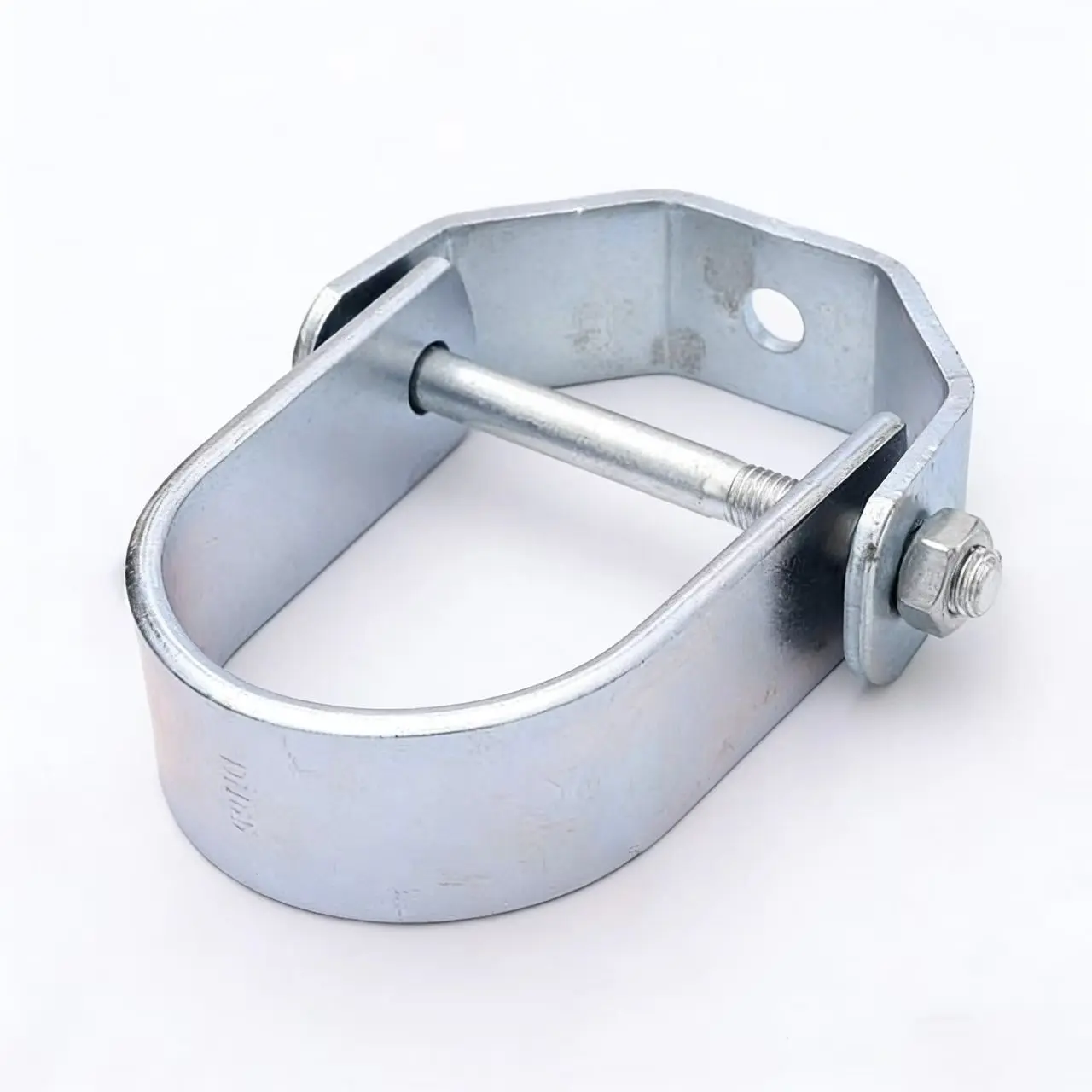
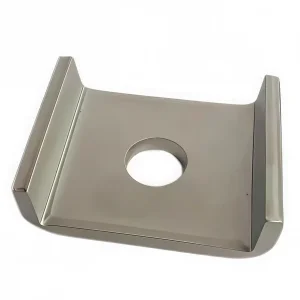
Custom-formed bracket designed to secure pipes and conduits to structural framing.
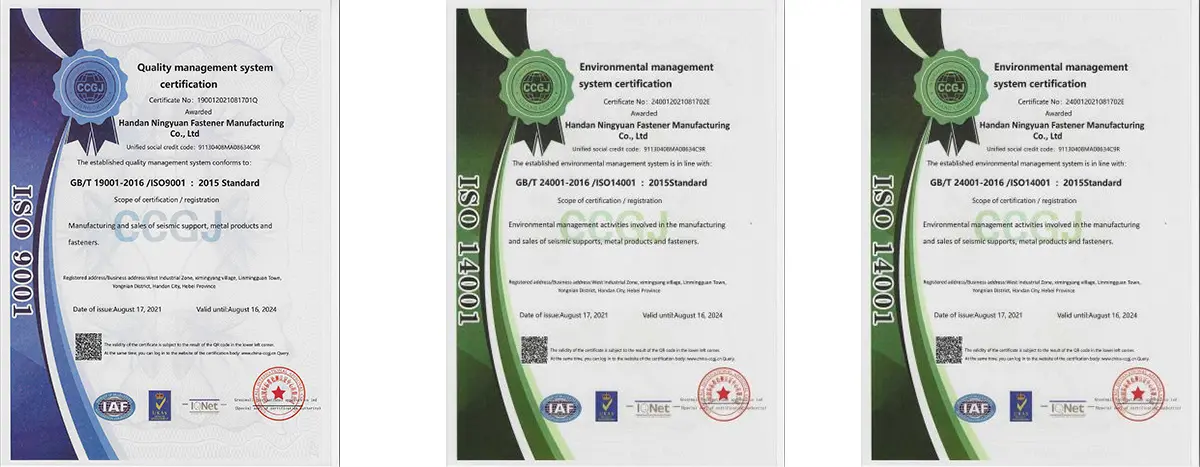
Ningyuan products undergo systematic validation to comply with global environmental and safety standards.
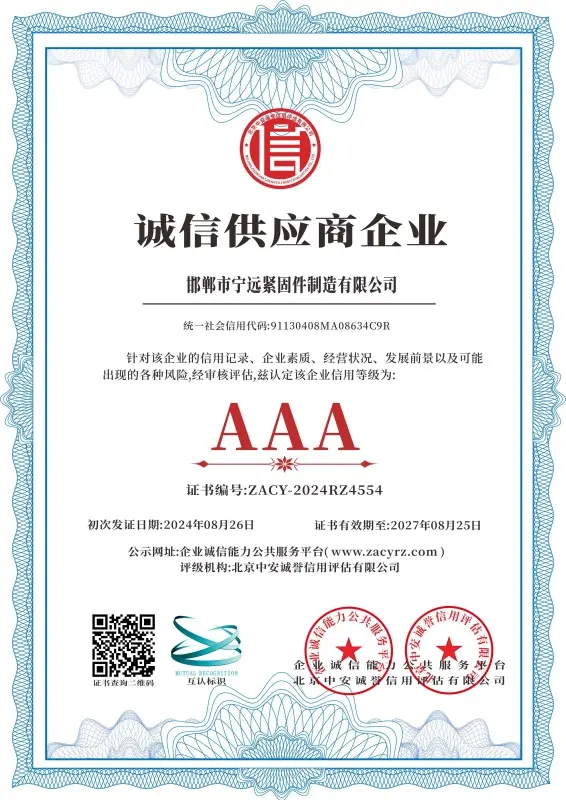
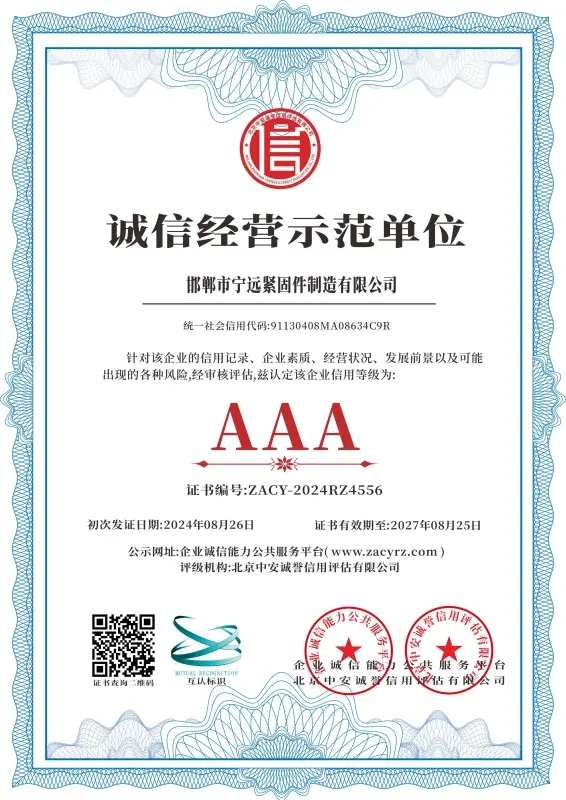
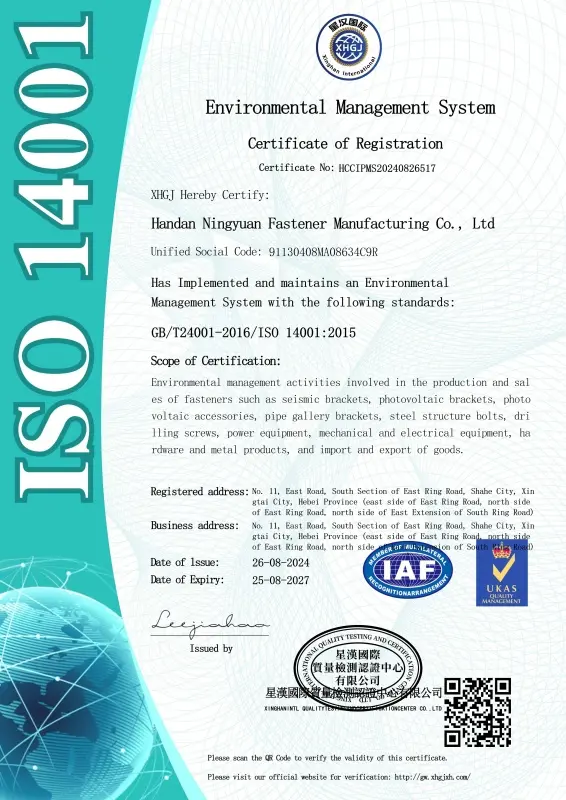
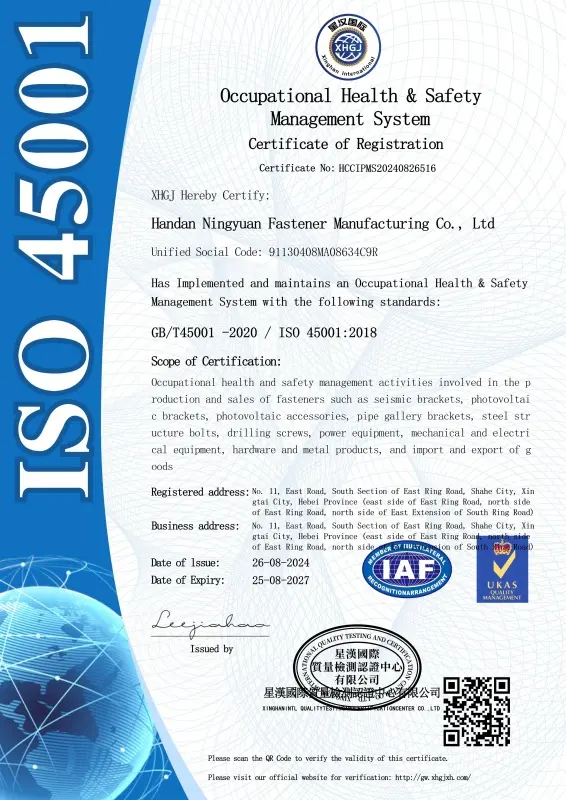
Detailed insights from our technical department addressing material performance, certifications, and application methods.
In structural design, a "Fire Fighting Nail" refers to a gas or powder-actuated drive pin designed to secure drywall framing, fire sprinkler hangers, and electrical conduit brackets to concrete or structural steel.
Under standards like DIN 4102-2 or ASTM E119, these fasteners must be tested at temperatures exceeding 1000°C for up to 120 minutes. They must maintain enough mechanical grip to prevent piping or cable trays from collapsing during an emergency evacuation.
Our quality management process starts with raw material inspection. We procure our steel from major state-owned mills, complete with material test reports (MTR). Every batch undergoes spectrographic testing to verify chemical composition, including chromium, boron, and carbon levels.
Throughout production, we inspect dimensions every hour, track batches through our ERP system, and perform final mechanical tests (tensile, hardness, and salt spray) before shipping. This process enables us to trace every shipment back to the original steel coil.
Hydrogen embrittlement occurs when hydrogen atoms enter high-strength steels (particularly Class 10.9 or 12.9) during acid cleaning or electroplating. When loaded, this hydrogen can cause micro-cracks that lead to sudden failures under static tension.
To prevent this, Ningyuan limits pickling times, utilizes low-hydrogen cleaning solutions, and bakes high-strength fasteners at 200°C for 4 to 6 hours immediately after electroplating. This process drives out hydrogen before it can impact the steel structure.
For coastal or outdoor environments (C3 to C5 classifications), standard zinc plating (5-8 microns) does not provide sufficient protection. We recommend hot-dip galvanizing (50-85 microns) or zinc flake coatings.
Zinc-nickel alloy plating also provides excellent defense in corrosive conditions. It prevents red rust in ASTM B117 salt spray tests for up to 1000 hours and avoids the risk of hydrogen embrittlement often associated with traditional electroplating.
Yes, our engineering department provides custom OEM/ODM services. We work from 2D/3D CAD models, step files, or physical samples. Our team conducts FEA (Finite Element Analysis) to evaluate load distribution, optimizes tooling designs, and produces prototypes for physical testing prior to manufacturing.
Seismic support structures must remain stable during earthquakes and resist high temperatures during fire emergencies. Our seismic hanger brackets, U-channels, and heavy-duty concrete anchors are tested together to ensure they perform reliably under combined physical and thermal stresses.
Heavy-duty structural bolts, special anchors, and engineered connecting plates for building frameworks.
Ningyuan supports global engineering projects with direct logistics, custom documentation, and dedicated engineering services.
We provide free samples of standard products for laboratory evaluation and site fitment checks.
Our engineering team provides calculation reviews, installation design, and pull-out load tables.